
Swedish food has always been about making the most of what nature gives. The meals are simple, warm, and full of good flavor.
Traditional Swedish dinner recipes use fresh vegetables, quality meat, fish from cold waters, and bold spices like dill, allspice, and caraway. The Nordic climate shaped this food culture deeply.
Long winters meant people had to preserve food through pickling, curing, and smoking. That’s why so many traditional Swedish dinner recipes have that special tangy, savory taste.
Swedish cooking also reflects a deep respect for the land and seasons. Most dishes use ingredients found close to home — potatoes, cabbage, root vegetables, pork, and freshwater fish.
Today, people around the world are falling in love with these dishes. They want real food made with care. Traditional Swedish dinner recipes offer just that: honest, comforting meals that warm the soul.

What Makes Swedish Dinner Recipes Unique
1. Fresh, local, and seasonal ingredients — Swedish cooks shop by season. In summer, fresh herbs and vegetables take center stage. In winter, root vegetables, preserved fish, and smoked meats carry the meal.
2. Balance of sweet, sour, and savory — Many Swedish dishes layer these three flavors together. Lingonberry jam next to salty meatballs is the perfect example. The contrast makes every bite interesting.
3. Preservation techniques — Pickling, curing, and smoking are not just old habits. They are skills passed down for generations. Pickled herring, gravlax, and smoked sausage are proof that preserved food can taste extraordinary.
4. Minimalist cooking with rich results — Swedish recipes rarely use dozens of ingredients. A short list of quality items, treated with patience and care, creates meals that feel complete and satisfying.
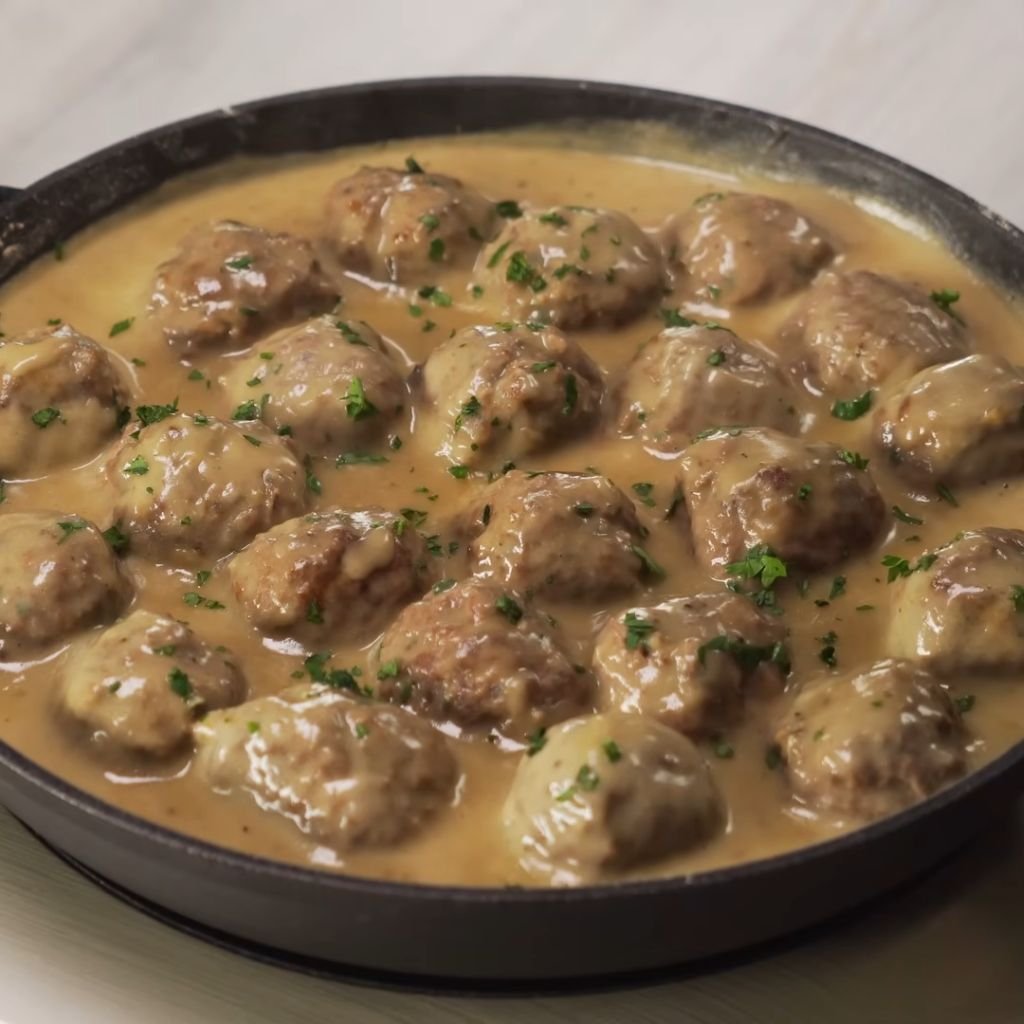
1. Swedish Meatballs (Köttbullar)
Prep Time: 20 minutes | Cook Time: 25 minutes | Serves: 4
Swedish meatballs are small, tender, and cooked in a rich, creamy sauce. They have a gentle spice from allspice and a soft texture that comes from soaking the breadcrumbs in milk. Served with lingonberry sauce and mashed potatoes, this meal is the heart of the Swedish table.
Ingredients
- 500g (1.1 lb) ground beef and pork mix (or all beef)
- 1 small yellow onion, finely grated
- 2 garlic cloves, minced
- 1 egg
- 3 tablespoons breadcrumbs
- 3 tablespoons whole milk
- 1 teaspoon salt
- ½ teaspoon black pepper
- ½ teaspoon ground allspice
- ¼ teaspoon ground nutmeg
- 2 tablespoons butter (for frying)
- 1 tablespoon neutral oil
For the gravy:
- 2 tablespoons butter
- 2 tablespoons all-purpose flour
- 400ml (1¾ cups) beef broth
- 100ml (⅓ cup) heavy cream
- 1 teaspoon soy sauce
- Salt and pepper to taste
Instructions
Start by soaking the breadcrumbs. Put them in a small bowl with the whole milk and let them sit for about five minutes. This step is important because it keeps the meatballs soft and moist after cooking. While the breadcrumbs soak, grate the onion finely using a box grater. Grating instead of chopping gives the onion a soft texture that blends right into the meat mixture without any large chunks.
In a large mixing bowl, combine the ground meat, grated onion, minced garlic, egg, soaked breadcrumbs, salt, black pepper, allspice, and nutmeg. Mix everything together using your hands or a wooden spoon. Work the mixture gently but thoroughly. Overmixing can make the meatballs tough, so stop as soon as the ingredients look evenly combined.
Roll the meat mixture into small balls about the size of a large marble — roughly 2.5 cm (1 inch) in diameter. Wet your palms slightly to prevent sticking. Place the rolled meatballs on a plate or tray as you go.
Heat butter and oil together in a wide skillet over medium heat. Once the butter starts to foam, add the meatballs in a single layer, leaving space between each one. Do not crowd the pan or they will steam instead of brown. Cook in batches if needed. Let each meatball sit without moving for about two minutes so a golden crust forms on the bottom. Then turn them gently using tongs or a spoon and brown on all sides. This should take about eight to ten minutes total per batch. Once browned all over, transfer them to a plate. They do not need to be fully cooked yet — they will finish in the gravy.
To make the gravy, use the same skillet. Keep the browned bits in the pan — those bits carry a lot of flavor. Add two tablespoons of butter over medium heat. Once melted, sprinkle in the flour and stir constantly for about one to two minutes until the mixture turns light golden. This is a simple roux and it thickens the sauce.
Slowly pour in the beef broth while stirring continuously to avoid lumps. Keep stirring until the sauce is smooth. Add the heavy cream and soy sauce. Stir well and let the sauce simmer for three to four minutes until it thickens to a coating consistency. Taste and adjust salt and pepper as needed.
Return all the meatballs to the skillet. Reduce the heat to low, cover with a lid, and let everything simmer together for ten minutes. Turn the meatballs once or twice so they absorb the gravy evenly. By the end, the meatballs should be cooked through and the sauce glossy and rich.
Serve hot over mashed potatoes with a generous spoonful of lingonberry sauce on the side.
2. Creamy Meatball Gravy (Brunsås)
Prep Time: 5 minutes | Cook Time: 15 minutes | Serves: 4
Brunsås is the classic brown cream sauce that makes Swedish meatballs complete. Made from pan drippings, broth, and cream, this sauce has a deep, savory flavor with just enough richness to coat every bite. A small splash of soy sauce gives it color and depth.
Ingredients
- 2 tablespoons butter
- 2 tablespoons all-purpose flour
- 500ml (2 cups) beef broth
- 150ml (⅔ cup) heavy cream
- 1 teaspoon soy sauce
- 1 teaspoon Worcestershire sauce (optional)
- Salt and white pepper to taste
Instructions
Begin by melting the butter in a medium saucepan over medium heat. Watch the heat carefully — the butter should melt and start to foam gently but not burn. Once the butter is fully melted and foamy, add the flour all at once. Stir immediately and keep stirring with a wooden spoon or whisk for about two minutes. You are cooking the flour slightly so the sauce does not have a raw, starchy taste. The mixture, called a roux, will look thick and paste-like. It should turn a very light golden color but not go darker than that.
Now begin adding the beef broth slowly. Pour just a small splash at first and stir vigorously to combine it into the roux without forming lumps. Once that small amount is fully absorbed and smooth, add another splash and stir again. Continue this process, gradually adding more broth each time. After about half the broth is added, you can start pouring more freely while stirring constantly. Add the rest of the broth in a steady stream and stir until the mixture is completely smooth and beginning to thicken.
Increase the heat slightly and bring the sauce to a gentle simmer. Let it cook for about three to four minutes, stirring regularly to prevent it from sticking to the bottom. The sauce should thicken enough to coat the back of a spoon. At this stage, add the heavy cream. Stir it in and let the sauce return to a gentle simmer for another three minutes.
Add the soy sauce and Worcestershire sauce if using. These two ingredients do not make the sauce taste like soy or Worcestershire — instead, they add a subtle savory depth and give the sauce its traditional brown color. Stir well.
Taste the sauce and season with salt and white pepper. White pepper is traditional in Swedish cooking and gives a slightly different flavor than black pepper — a bit sharper and more aromatic. Adjust seasoning to your preference.
If the sauce seems too thick, add a little more broth or cream and stir. If it seems too thin, let it simmer uncovered for another two to three minutes until it reduces to the right consistency. Serve immediately over Swedish meatballs, or keep warm on the lowest heat with a lid slightly ajar, stirring occasionally.
3. Wallenbergare (Veal Patties)
Prep Time: 20 minutes | Cook Time: 15 minutes | Serves: 4
Wallenbergare are refined veal patties made with cream and egg yolks, giving them an incredibly soft and silky texture. Named after a Swedish banking family, these patties are a classic restaurant dish brought into the home kitchen. Serve them with creamed peas and lingonberry sauce for a proper Swedish meal.
Ingredients
- 500g (1.1 lb) ground veal (or ground chicken as substitute)
- 3 egg yolks
- 150ml (⅔ cup) heavy cream
- 1 teaspoon salt
- ½ teaspoon white pepper
- ¼ teaspoon ground nutmeg
- 3 tablespoons fine breadcrumbs (for coating)
- 3 tablespoons butter (for frying)
Instructions
Place the ground veal in a cold mixing bowl. Cold meat is important here because the cream will blend in smoothly and the patties will hold their shape better. Add the egg yolks to the meat one at a time, mixing gently after each one. Use a wooden spoon or clean hands for this, mixing with a light touch.
Next, slowly pour the heavy cream into the meat mixture in small amounts, stirring after each addition. The cream should absorb fully into the meat before you add more. Take your time with this step. Adding too much cream at once can make the mixture too loose to shape. The final mixture should feel soft, a little sticky, and lighter than a typical burger mix.
Season with salt, white pepper, and nutmeg. Stir to distribute the seasoning evenly throughout the mixture. Place the bowl in the refrigerator for fifteen minutes. Chilling helps the mixture firm up just enough to shape into patties.
Spread the fine breadcrumbs on a flat plate. With lightly wet hands, shape the veal mixture into oval or round patties about 2 cm thick. Handle them gently. Press each patty into the breadcrumbs on both sides and along the edges to form a thin, even coating.
Melt the butter in a wide skillet over medium-low heat. The heat must stay low because the patties are delicate and cook through quickly. Place the coated patties into the foamy butter and cook for about five to six minutes per side. Turn them only once, using a wide spatula. They should develop a pale golden crust — not dark brown. Veal cooks more gently than beef and should not be rushed.
Once both sides are golden and the patties feel firm when pressed lightly in the center, they are ready. Remove from the pan and rest on a warm plate for two minutes. Serve with creamed peas and a spoonful of lingonberry sauce.
4. Raggmunk with Pork (Potato Pancakes)
Prep Time: 15 minutes | Cook Time: 30 minutes | Serves: 4
Raggmunk are crispy Swedish potato pancakes made with raw grated potato and a simple egg batter. Fried in butter until golden and crunchy, they are traditionally served alongside pan-fried pork belly and lingonberry sauce. The combination of crispy potato, salty pork, and sweet-tart lingonberry is deeply satisfying.
Ingredients
- 4 large starchy potatoes (about 700g / 1.5 lb), peeled
- 150ml (⅔ cup) whole milk
- 2 eggs
- 3 tablespoons all-purpose flour
- 1 teaspoon salt
- ½ teaspoon black pepper
- 4 tablespoons butter (for frying)
- 400g (14 oz) thick-cut pork belly slices
- Lingonberry sauce, to serve
Instructions
Peel the potatoes and grate them coarsely using a box grater. Place the grated potato into a clean kitchen towel and twist it tightly to squeeze out as much liquid as possible. This step is critical for getting a crispy result. Wet potato will steam in the pan instead of frying and the pancakes will turn out soft rather than golden and crunchy.
Once squeezed dry, place the grated potato in a large mixing bowl. Add the milk, eggs, flour, salt, and black pepper. Stir everything together until the batter is thick and well combined. It should look like chunky, wet hash browns held together in a batter. Let the mixture rest for five minutes.
While the batter rests, prepare the pork belly. Heat a dry skillet over medium-high heat. Add the pork belly slices and cook them for about four to five minutes per side until they are nicely browned and the fat has crisped up at the edges. Season lightly with salt. Transfer to a plate and keep warm while you fry the pancakes.
Heat one tablespoon of butter in a wide non-stick or cast iron skillet over medium heat. Once the butter foams and starts to turn golden, spoon in a large scoop of potato batter — enough to form a pancake about 12 cm (5 inches) wide and 1 cm thick. Press gently to flatten it. Cook for four to five minutes without touching it. The bottom should turn deep golden and crispy. Carefully flip the pancake using a wide spatula. Cook the second side for another four to five minutes. The center should feel cooked through and not wet.
Remove the first pancake to a warm plate. Add more butter to the pan and repeat with the remaining batter. This recipe should yield about eight medium pancakes. Keep finished pancakes in a warm oven (80°C / 175°F) on a baking sheet while you work through the rest.
Serve the hot crispy pancakes alongside the pork belly slices with a generous spoonful of lingonberry sauce over the top.
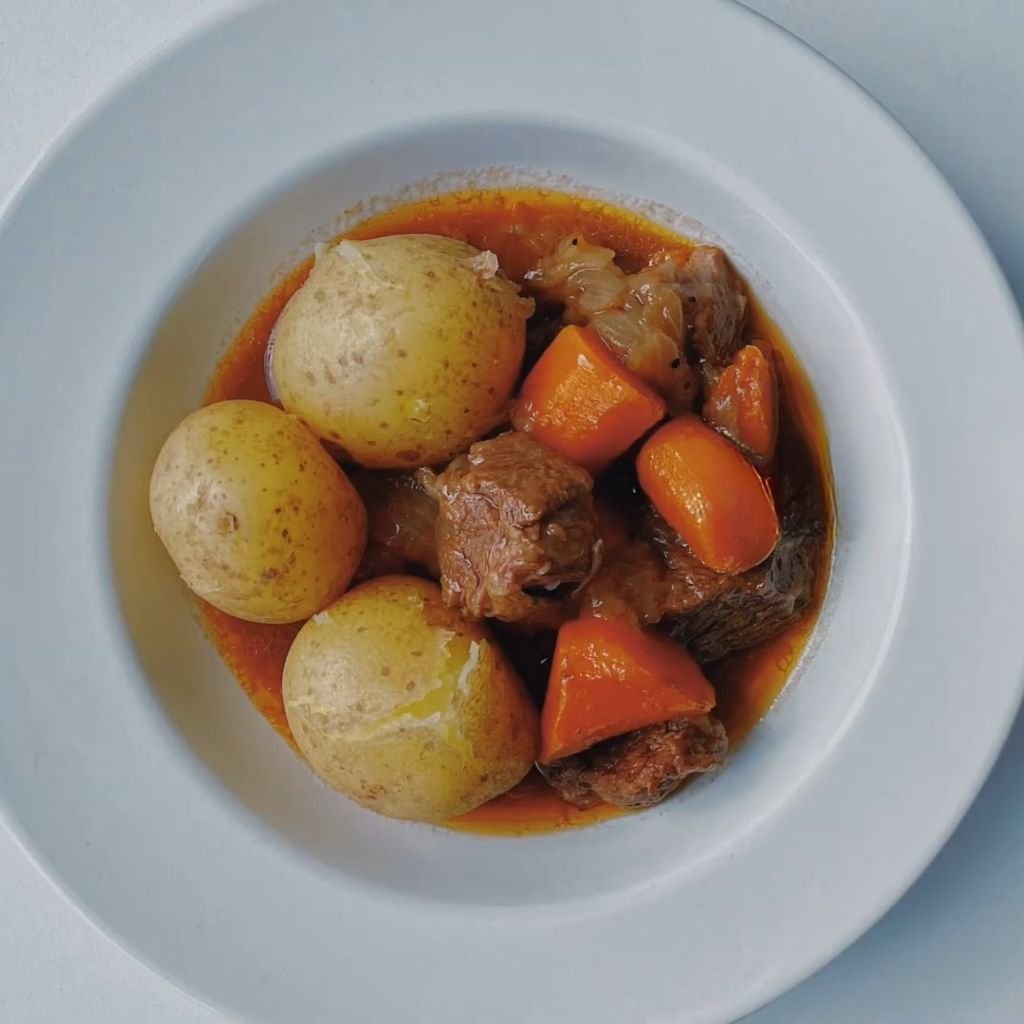
5. Swedish Beef Stew (Kalops)
Prep Time: 20 minutes | Cook Time: 2 hours | Serves: 4–6
Kalops is a deeply comforting Swedish beef stew seasoned with allspice and bay leaves. The meat becomes fall-apart tender after slow cooking, and the broth turns into a rich, flavorful sauce. Served simply with boiled potatoes and pickled beets, this is cold-weather eating at its best.
Ingredients
- 800g (1.75 lb) beef chuck, cut into 4 cm cubes
- 2 large yellow onions, sliced into half rings
- 4 medium carrots, sliced into rounds
- 3 garlic cloves, minced
- 1 tablespoon butter
- 1 tablespoon neutral oil
- 2 tablespoons all-purpose flour
- 600ml (2½ cups) beef broth
- 2 bay leaves
- 8 whole allspice berries
- 1 teaspoon salt
- ½ teaspoon black pepper
- Boiled potatoes and pickled beets, to serve
Instructions
Pat the beef cubes dry with paper towels. Drying the surface helps the meat brown properly. Season all sides with salt and black pepper. Heat butter and oil together in a large Dutch oven or heavy pot over medium-high heat.
Working in batches, add the beef cubes to the hot pot in a single layer without crowding. Let them sear undisturbed for about three minutes until a deep brown crust forms on the bottom. Turn each piece and sear the other sides. Browning takes about eight to ten minutes per batch. Transfer browned beef to a plate and set aside. Brown all the meat before moving on.
Reduce the heat to medium. Add the sliced onions to the same pot. Cook them gently for seven to eight minutes, stirring occasionally, until they become soft, translucent, and lightly golden. Add the minced garlic and stir for one more minute. Sprinkle the flour over the onions and stir for two minutes to cook the flour slightly.
Return all the browned beef to the pot. Pour in the beef broth and stir to lift any browned bits stuck to the bottom. Add the bay leaves and whole allspice berries. Stir everything together gently. Bring the liquid to a boil, then immediately reduce the heat to the lowest setting. Place the lid on the pot and let the stew simmer slowly for one hour and fifteen minutes.
After one hour and fifteen minutes, add the sliced carrots. Stir gently and replace the lid. Continue to simmer for another forty-five minutes until the carrots are tender and the beef is completely soft and pulls apart easily when pressed with a spoon.
Taste the stew and adjust the salt and pepper as needed. Remove the bay leaves before serving. The sauce should be thick and richly flavored from the long cooking. Serve hot with boiled potatoes on the side and sliced pickled beets for contrast.
6. Stuffed Cabbage Rolls (Kåldolmar)
Prep Time: 40 minutes | Cook Time: 1 hour | Serves: 4–6
Kåldolmar are Swedish stuffed cabbage rolls filled with seasoned meat and rice, then baked in a sweet and savory sauce. The outer cabbage leaf becomes soft and tender while the filling stays moist. A squeeze of light corn syrup in the sauce is the traditional Swedish touch that sets this dish apart.
Ingredients
- 1 large head of green cabbage
- 400g (14 oz) ground beef and pork mix
- 150g (¾ cup) cooked white rice
- 1 small onion, finely grated
- 1 egg
- 80ml (⅓ cup) whole milk
- 1 teaspoon salt
- ½ teaspoon black pepper
- ½ teaspoon ground allspice
For the sauce:
- 300ml (1¼ cups) beef broth
- 2 tablespoons light corn syrup or golden syrup
- 2 tablespoons soy sauce
- 1 tablespoon butter
Instructions
Bring a large pot of water to a boil. Core the bottom of the cabbage head with a sharp knife. Once the water is boiling, submerge the whole cabbage carefully. After two to three minutes, the outermost leaves will soften and loosen. Use tongs to carefully peel away the softened outer leaves and set them in a colander to cool. Continue blanching the cabbage and removing leaves as they soften, working from the outside in. You will need about twelve to fourteen good-sized leaves. Pat each leaf dry and trim away the thick center rib at the bottom to make rolling easier.
Preheat your oven to 175°C (350°F). In a large mixing bowl, combine the ground meat, cooked rice, grated onion, egg, milk, salt, pepper, and allspice. Mix until fully combined but do not overwork the mixture.
To fill each roll, lay a cabbage leaf flat on your work surface. Place two to three tablespoons of filling near the base of the leaf. Fold the sides of the leaf inward, then roll it up firmly from the base toward the top, like rolling a small burrito. Place the roll seam-side down in a buttered baking dish. Repeat until all filling is used.
In a small saucepan, combine the beef broth, corn syrup, soy sauce, and butter. Heat until the butter melts and everything is mixed. Pour this sauce evenly over all the cabbage rolls in the baking dish.
Cover the dish tightly with aluminum foil. Bake in the preheated oven for forty-five minutes. Remove the foil and bake uncovered for another fifteen minutes to allow the tops to color slightly and the sauce to reduce and concentrate. Spoon the sauce over the rolls halfway through this final stage.
Serve the cabbage rolls hot with boiled potatoes and lingonberry sauce.
7. Sausage Stroganoff (Korv Stroganoff)
Prep Time: 10 minutes | Cook Time: 20 minutes | Serves: 4
Korv Stroganoff is a quick and beloved Swedish weeknight meal made with sliced sausage in a tomato cream sauce. Smoky, savory, and a little tangy, this dish comes together in under thirty minutes. Serve it over rice or egg noodles for a satisfying family dinner.
Ingredients
- 500g (1.1 lb) Swedish falukorv sausage (or smoked kielbasa), sliced into half-moons
- 1 yellow onion, finely chopped
- 2 garlic cloves, minced
- 1 tablespoon butter
- 2 tablespoons tomato paste
- 200ml (¾ cup) heavy cream
- 100ml (⅓ cup) beef broth
- 1 teaspoon Dijon mustard
- 1 teaspoon paprika
- Salt and pepper to taste
- Fresh parsley, chopped (for garnish)
Instructions
Heat the butter in a wide skillet over medium heat. Once melted and slightly foamy, add the sliced sausage in a single layer. Let the sausage cook undisturbed for about two minutes so the flat sides develop a light golden color. Stir and continue cooking for another two minutes. The sausage does not need deep browning — just enough color to add flavor. Remove the sausage from the skillet and set aside on a plate.
In the same skillet over medium heat, add the chopped onion. Cook gently for five to six minutes, stirring regularly, until the onion is soft and translucent. Do not rush this step. Soft, cooked onion gives the sauce sweetness and body. Add the minced garlic and cook for one minute more.
Add the tomato paste directly to the onion and garlic mixture. Stir it in and let it cook for two minutes, pressing it gently into the pan. Cooking the tomato paste briefly removes its raw taste and brings out a deeper, slightly caramelized flavor.
Pour in the beef broth and stir to combine with the tomato paste. Let it bubble for one minute, then add the heavy cream. Stir well and bring the sauce to a gentle simmer. Add the Dijon mustard and paprika. Stir again to incorporate everything evenly.
Return the sausage slices to the skillet. Stir to coat them in the sauce. Let everything simmer together over low heat for six to eight minutes, stirring occasionally. The sauce will thicken as it cooks. Taste and adjust salt and pepper as needed.
Serve over steamed rice or cooked egg noodles, garnished with freshly chopped parsley.
8. Elk Stew (Älggryta)
Prep Time: 25 minutes | Cook Time: 2 hours 30 minutes | Serves: 4–6
Älggryta is a traditional Swedish elk stew that reflects the country’s deep hunting culture. Elk meat is lean, rich in flavor, and becomes beautifully tender through slow cooking. Juniper berries, bay leaves, and root vegetables give this stew a woodsy, aromatic character that feels truly connected to the Swedish landscape.
Ingredients
- 800g (1.75 lb) elk meat (or venison), cut into 4 cm chunks
- 2 yellow onions, roughly chopped
- 3 medium carrots, cut into thick rounds
- 2 parsnips, peeled and cut into chunks
- 3 garlic cloves, minced
- 2 tablespoons butter
- 1 tablespoon neutral oil
- 2 tablespoons all-purpose flour
- 700ml (3 cups) beef or game broth
- 150ml (⅔ cup) red wine (optional)
- 10 juniper berries, lightly crushed
- 3 bay leaves
- 1 tablespoon tomato paste
- 1 teaspoon salt
- ½ teaspoon black pepper
- Fresh thyme sprigs (optional)
Instructions
Pat the elk meat chunks completely dry using paper towels. Drying the surface is essential for good browning. Season all sides generously with salt and black pepper.
Heat butter and oil in a large heavy-bottomed Dutch oven or deep pot over high heat. Once the fat is very hot and shimmering, add the elk pieces in a single layer. Do not crowd the pot — work in two or three batches. Sear each piece without moving for about three to four minutes until a deep, dark brown crust develops. Turn and brown the other sides. Proper browning at this stage creates a foundation of deep flavor for the stew. Transfer browned meat to a plate and set aside.
Reduce the heat to medium. Add the chopped onions to the same pot. Cook for about six minutes until softened and starting to turn golden. Add the garlic and cook one minute more. Add the tomato paste and stir it into the onions. Cook for two minutes to deepen the flavor.
Sprinkle the flour over the onion mixture and stir for two minutes to cook the flour. If using red wine, pour it in now and let it bubble while you scrape the bottom of the pot to release all the browned bits. If not using wine, add a splash of broth to deglaze. Add the rest of the broth gradually while stirring to keep the sauce smooth.
Return the browned elk to the pot. Add the juniper berries, bay leaves, and thyme if using. Stir everything together and bring the liquid to a slow boil. Reduce the heat to the lowest setting, cover with a tight-fitting lid, and let the stew cook gently for one hour and forty-five minutes.
Add the carrots and parsnips. Stir gently and replace the lid. Continue cooking for another forty-five minutes to one hour until the vegetables are tender and the meat breaks apart easily with a fork. The broth should be thick and deeply flavored.
Remove the bay leaves and juniper berries. Taste and adjust seasoning. Serve hot with boiled or mashed potatoes and crispbread on the side.
9. Pickled Herring (Inlagd Sill)
Prep Time: 30 minutes + 24 hours marinating | Cook Time: 0 minutes | Serves: 6–8
Pickled herring is the cornerstone of every Swedish smörgåsbord. Tender herring fillets are marinated in a sweet and tangy brine with onion, allspice, and bay leaves. The longer it sits, the better the flavor becomes. Serve it cold on crisp bread with boiled eggs and sour cream.
Ingredients
- 500g (1.1 lb) salted herring fillets (or matjes herring, pre-soaked)
- 200ml (¾ cup) white vinegar (12% acidity)
- 200ml (¾ cup) water
- 150g (¾ cup) granulated sugar
- 1 large red onion, sliced into thin rings
- 1 teaspoon whole allspice berries
- 1 teaspoon whole black peppercorns
- 3 bay leaves
- 5 whole cloves (optional)
Instructions
If using salted herring, rinse the fillets thoroughly under cold water to remove excess salt. Place the fillets in a bowl of cold water and let them soak for twelve to twenty-four hours, changing the water two to three times. This draws out excess salt so the final pickle is not overly salty. Once soaked, pat the fillets dry with paper towels and cut them into bite-sized pieces about 3 cm wide.
To make the pickling brine, combine the white vinegar, water, and sugar in a small saucepan. Bring to a gentle simmer over medium heat, stirring until the sugar dissolves completely. Remove from the heat and let the brine cool to room temperature. Do not pour hot brine over the herring — warm brine will start to cook the fish and change its texture.
In a clean glass jar or container with a tight lid, start layering the herring pieces and sliced red onion. Add some allspice berries, peppercorns, bay leaves, and cloves between each layer. Continue layering until all the herring and onion are in the jar.
Pour the cooled brine over the herring until it is fully submerged. If needed, press a small piece of folded plastic wrap on top to keep everything below the brine. Seal the jar tightly and place it in the refrigerator.
Let the herring marinate for at least twenty-four hours before eating. Forty-eight hours gives an even better result. The herring will keep in the refrigerator for up to one week. Serve cold directly from the jar with crispbread, boiled eggs, sour cream, and fresh dill.
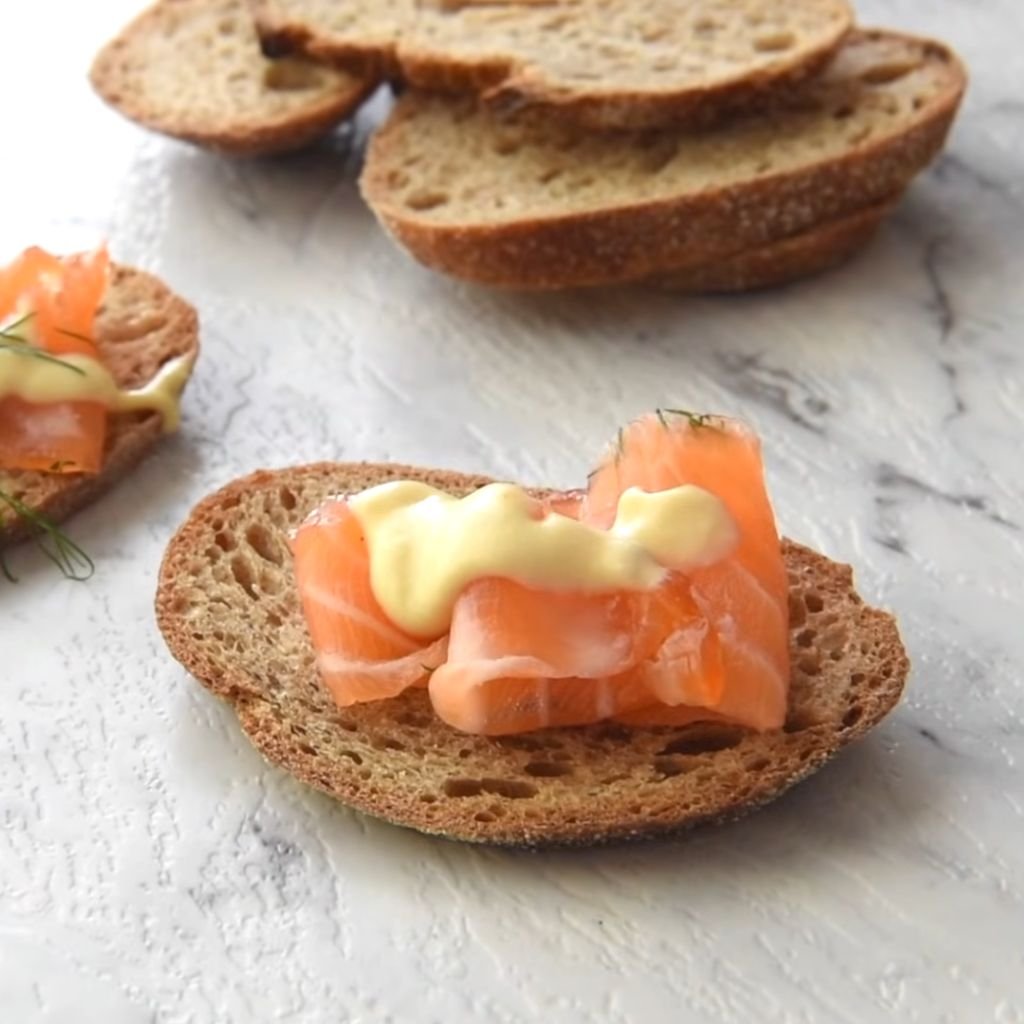
10. Gravlax (Cured Salmon)
Prep Time: 20 minutes + 48 hours curing | Cook Time: 0 minutes | Serves: 8–10
Gravlax is fresh salmon cured in a mixture of salt, sugar, and dill. No heat, no smoking — just the natural curing process. The result is silky, meltingly soft salmon with a delicate herb flavor. Sliced thin and served with mustard dill sauce and rye bread, gravlax is one of Sweden’s greatest contributions to the table.
Ingredients
- 1 kg (2.2 lb) fresh salmon fillet, skin on, center cut
- 3 tablespoons coarse sea salt
- 2 tablespoons granulated sugar
- 1 teaspoon white pepper, coarsely ground
- 1 large bunch fresh dill, roughly chopped
For the mustard dill sauce:
- 3 tablespoons Dijon or Swedish sweet mustard
- 1 tablespoon sugar
- 1 tablespoon white wine vinegar
- 100ml (⅓ cup) neutral oil
- 2 tablespoons fresh dill, finely chopped
- Salt to taste
Instructions
Check the salmon fillet carefully for any pin bones. Run your fingers along the surface and use tweezers or needle-nose pliers to remove any you find. Rinse the fillet gently and pat it completely dry.
In a small bowl, mix together the coarse salt, sugar, and ground white pepper. This is the curing mixture. Lay a large piece of plastic wrap on a flat surface. Place half the chopped dill in the center of the plastic wrap in a layer roughly the shape of the salmon fillet.
Place the salmon fillet skin-side down on top of the dill. Rub the salt and sugar mixture evenly over the entire flesh surface of the fish. Be thorough — cover every part. Press the remaining dill firmly onto the salt-covered flesh so it sticks.
Wrap the plastic wrap tightly around the salmon, sealing it well. Place the wrapped salmon in a shallow dish or rimmed baking tray to catch any liquid that may leak during curing. Place another dish or flat board on top of the wrapped salmon and weigh it down with cans or a heavy pot. The weight helps the curing process by pressing the fish.
Refrigerate for forty-eight hours. Turn the salmon package over every twelve hours. Each time you turn it, you will notice liquid in the tray — this is the cure drawing moisture from the fish. This is exactly what should happen.
After forty-eight hours, unwrap the salmon. Scrape off the dill and rinse the fillet under cold water. Pat completely dry with paper towels. The flesh should feel firmer than raw salmon, look darker in color, and have a glossy surface.
To make the mustard dill sauce, whisk together the mustard, sugar, and white wine vinegar in a bowl. Slowly drizzle in the neutral oil while whisking continuously until the sauce becomes thick and smooth like a loose mayonnaise. Stir in the fresh dill and season with salt to taste.
Slice the gravlax very thinly at a diagonal angle against the grain, leaving the skin behind on the board. Arrange the slices on a platter and serve with the mustard dill sauce, rye bread or crispbread, and wedges of lemon.
11. Fried Herring (Stekt Strömming)
Prep Time: 15 minutes | Cook Time: 15 minutes | Serves: 4
Stekt strömming is crispy pan-fried Baltic herring, one of the most beloved everyday fish dishes in Sweden. The small fillets are coated in seasoned rye flour and fried in butter until golden and crunchy. Simple and honest, this dish tastes best with mashed potatoes and lingonberry sauce.
Ingredients
- 600g (1.3 lb) fresh Baltic herring fillets (or small sardines, butterflied)
- 100g (¾ cup) rye flour
- 1 teaspoon salt
- ½ teaspoon black pepper
- ½ teaspoon dill, dried
- 3 tablespoons butter
- 1 tablespoon neutral oil
- Lemon wedges and fresh dill, to serve
Instructions
Rinse the herring fillets under cold water and pat them dry with paper towels. If using whole herrings, ask your fishmonger to butterfly them, or do it yourself by opening each fish flat and pressing it down so both sides lay open like a book.
In a shallow wide bowl or plate, combine the rye flour, salt, black pepper, and dried dill. Mix with a fork. Rye flour gives a slightly denser and nuttier crust compared to regular wheat flour — this is traditional in Swedish cooking and adds an earthy flavor that works perfectly with the herring.
Press each herring fillet firmly into the seasoned flour, coating both sides well. Shake off the excess lightly. Lay the coated fillets on a clean plate as you go.
Heat the butter and oil together in a wide skillet over medium to medium-high heat. The combination of butter and oil helps prevent the butter from burning while still giving that rich, golden flavor. Once the butter starts to foam and the foam begins to settle, add the first batch of coated herrings skin-side down. Do not move them.
Fry undisturbed for three minutes until the bottom side is deep golden and crispy. Flip carefully using a thin spatula and cook the flesh side for another two to three minutes. The coating should be golden brown on both sides and the fish should feel firm. The flesh will be white and opaque throughout when done. Transfer to a paper towel-lined plate.
Repeat with remaining fillets, adding a little more butter between batches if the pan looks dry. Serve immediately while the coating is still crispy, with lemon wedges squeezed over the top and fresh dill scattered on top. Mashed potatoes alongside complete the meal.
12. Salmon with Dill Sauce
Prep Time: 10 minutes | Cook Time: 15 minutes | Serves: 4
Pan-seared salmon topped with a fresh, creamy dill sauce is a staple of the Swedish home kitchen. The sauce is light, herbaceous, and slightly tangy — the perfect balance for rich salmon. Ready in under thirty minutes, this is one of those recipes that looks impressive but asks very little of you.
Ingredients
- 4 salmon fillets (about 150g / 5 oz each), skin on
- Salt and white pepper
- 1 tablespoon butter
- 1 tablespoon olive oil
For the dill sauce:
- 150ml (⅔ cup) sour cream or crème fraîche
- 2 tablespoons fresh dill, finely chopped
- 1 tablespoon lemon juice
- 1 teaspoon Dijon mustard
- 1 garlic clove, finely grated
- Salt and white pepper to taste
Instructions
Start by making the dill sauce so it is ready when the salmon comes out of the pan. In a small bowl, combine the sour cream, fresh dill, lemon juice, Dijon mustard, and grated garlic. Stir everything together until smooth and well combined. Taste the sauce and season with salt and white pepper. The sauce should be creamy with a bright, fresh dill flavor and a gentle tang from the lemon and mustard. Set aside at room temperature while you cook the salmon.
Pat the salmon fillets dry on all sides with paper towels. Season the flesh side generously with salt and white pepper. Dry salmon sears much better than wet salmon, so do not skip this step.
Heat the butter and olive oil together in a wide non-stick or stainless skillet over medium-high heat. Once the fat is hot and shimmering, place the salmon fillets skin-side down in the pan. Press each fillet lightly with a spatula for the first ten seconds to prevent the skin from curling up. This keeps the skin flat and in full contact with the pan.
Cook the salmon skin-side down for four to five minutes without touching it. The skin will become deeply golden and very crispy. You will see the flesh turning from translucent to opaque from the bottom up — when the opacity has crept about two-thirds of the way up the side of each fillet, flip them once. Cook flesh-side down for just one to two minutes more. At this point the salmon is cooked through but still moist in the center.
Remove the salmon from the pan. Let each fillet rest for one minute on a warm plate. Spoon the creamy dill sauce generously over each piece and add a wedge of lemon on the side. Serve with dill potatoes or boiled rice.
13. Janssons Temptation (Janssons Frestelse)
Prep Time: 20 minutes | Cook Time: 55 minutes | Serves: 4–6
Janssons Frestelse is one of Sweden’s most iconic dishes — a layered potato and anchovy gratin that bakes in cream until golden and bubbly. The anchovies melt into the cream as it cooks, creating a rich, savory flavor that is hard to describe but impossible to forget. Serve it as a side or a light main course.
Ingredients
- 1 kg (2.2 lb) starchy potatoes, peeled and cut into matchsticks
- 2 large yellow onions, thinly sliced
- 100g (3.5 oz) Swedish ansjovis (spiced pickled sprats) or good-quality anchovies, drained
- 400ml (1¾ cups) heavy cream
- 2 tablespoons butter
- Salt and white pepper to taste
- Breadcrumbs for topping (optional)
Instructions
Preheat the oven to 200°C (390°F). Butter a medium-sized baking dish (about 30 x 20 cm) generously on all sides and the bottom.
Peel the potatoes and cut them into thin matchsticks, approximately 5 mm thick. Place the cut potatoes in cold water to prevent browning while you prepare the rest.
In a skillet over medium heat, melt one tablespoon of butter. Add the sliced onions and cook gently for eight to ten minutes, stirring occasionally, until they are soft, sweet, and lightly golden. Do not rush this. Properly cooked onions give the dish its base sweetness.
Drain the potato matchsticks and pat them dry with a clean towel. Begin layering the dish. Start with a thin layer of potatoes spread across the bottom of the baking dish. Add a layer of cooked onions. Place some of the anchovy pieces evenly over the onions. Season very lightly with white pepper — the anchovies are salty so be conservative with salt. Add another layer of potatoes, then onion and anchovy, and finish with a final layer of potatoes on top.
Pour the heavy cream evenly over the entire dish. It should come about three-quarters up the sides of the potato layers. Dot small pieces of the remaining butter over the top. If using breadcrumbs, sprinkle them over the top now for extra crunch.
Cover loosely with aluminum foil and bake for thirty minutes. Remove the foil and continue baking for another twenty-five minutes until the top is golden brown and the potatoes are fully tender when pierced with a knife. The cream will have mostly absorbed and reduced into a thick, custardy sauce throughout the layers.
Let the dish rest for five minutes before serving. It tastes even better the next day, warmed back up in the oven.
14. Fish Soup (Fiskgryta)
Prep Time: 20 minutes | Cook Time: 25 minutes | Serves: 4
Swedish fish soup is a light, creamy broth filled with tender fish, potatoes, and fresh dill. Unlike heavy chowders, Fiskgryta is elegant and clean-tasting. Use any firm white fish or mix in salmon for color. A bowl of this soup with crispbread is a complete and nourishing meal.
Ingredients
- 500g (1.1 lb) firm white fish fillets (cod, haddock, or pollock), cut into large chunks
- 200g (7 oz) salmon fillet, cut into chunks (optional)
- 4 medium waxy potatoes, peeled and diced into 2 cm cubes
- 2 medium carrots, sliced into thin rounds
- 1 leek, white and light green parts, sliced
- 1 tablespoon butter
- 1 liter (4 cups) fish broth or vegetable broth
- 200ml (¾ cup) heavy cream
- 2 bay leaves
- 1 tablespoon fresh dill, chopped (plus more to serve)
- Salt and white pepper to taste
- Lemon juice, to finish
Instructions
Melt the butter in a large pot over medium heat. Add the sliced leek and cook gently for four to five minutes until it softens. Add the diced potatoes and carrot rounds, stirring to coat them in the butter. Pour in the broth and add the bay leaves. Bring to a boil, then reduce to a steady simmer. Cook uncovered for twelve to fifteen minutes until the potatoes and carrots are just tender when pierced with a fork.
Add the heavy cream and stir gently. Let the soup return to a gentle simmer. Season with salt and white pepper.
Now add the fish pieces. Do not stir too aggressively — fish breaks apart easily and you want to keep the chunks intact. Gently push the fish into the hot liquid. Cook for four to five minutes without stirring much. The fish is done when it turns opaque and separates into flakes easily. Remove the bay leaves.
Stir in the fresh dill gently. Squeeze in a little lemon juice to brighten the flavor. Taste and adjust seasoning.
Ladle into deep bowls and garnish with extra dill. Serve immediately with crispbread or Swedish rye bread on the side.
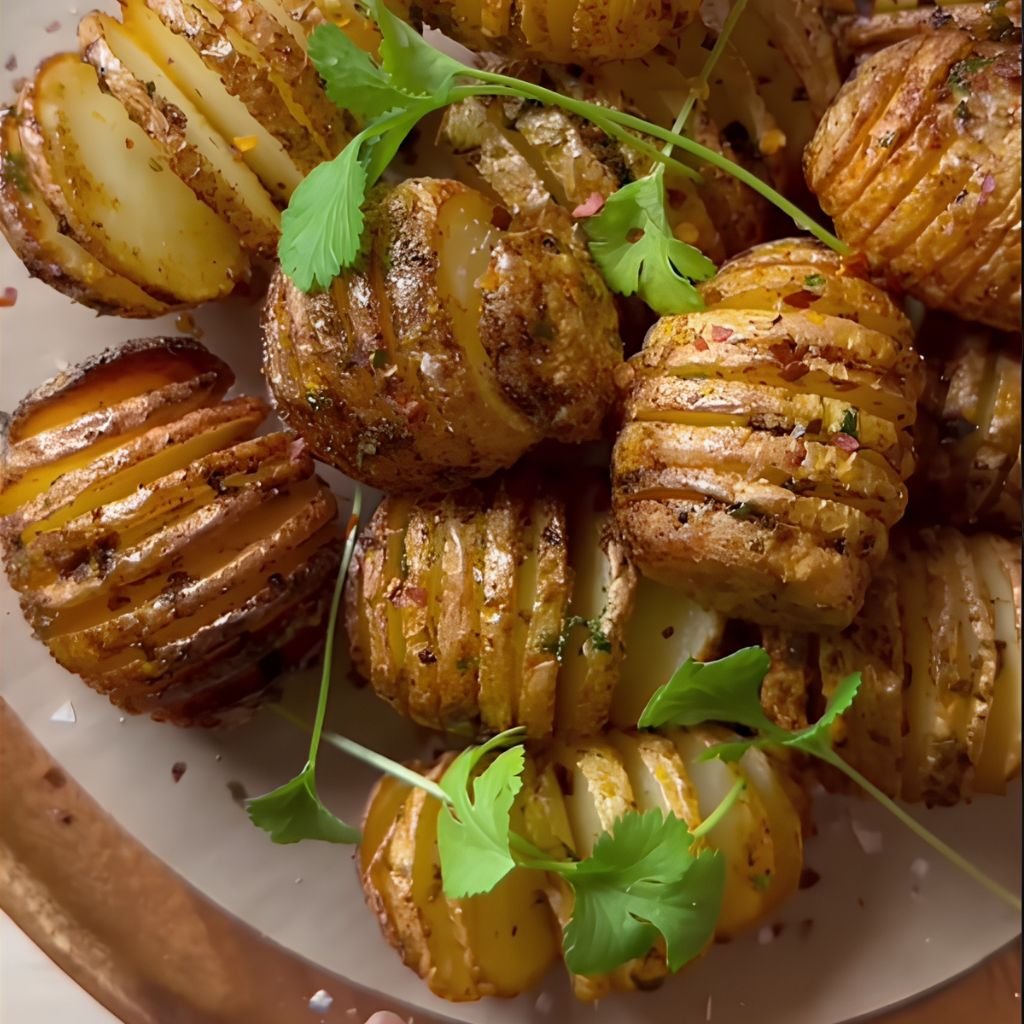
15. Hasselback Potatoes
Prep Time: 15 minutes | Cook Time: 50 minutes | Serves: 4
Hasselback potatoes were born in a Stockholm restaurant in the 1950s and have been a Swedish classic ever since. The potato is sliced thinly but kept attached at the base, then roasted in butter until the top fans out into crispy, golden layers. Simple but impressive, these work as a side dish for almost any main course.
Ingredients
- 8 medium waxy potatoes, similar size
- 4 tablespoons butter, melted
- 1 tablespoon olive oil
- 1 teaspoon salt
- ½ teaspoon black pepper
- Fresh thyme or rosemary leaves (optional)
- Sour cream and chives, to serve (optional)
Instructions
Preheat the oven to 220°C (430°F). Line a baking tray with parchment paper or foil.
Wash and scrub the potatoes clean. Peel them if you prefer, or leave the skin on for extra texture. Place one potato on a cutting board. Lay a wooden spoon or chopstick on either side of the potato to use as a cutting guide. Slice the potato thinly — about 3mm per slice — cutting straight down. The wooden spoons stop the knife from cutting all the way through the bottom, keeping the slices connected at the base. Repeat with all potatoes.
Place the sliced potatoes on the prepared baking tray with the sliced side facing up. In a small bowl, combine the melted butter and olive oil. Brush this mixture generously over each potato, making sure to work it down between the slices. Season each potato with salt and pepper. Add thyme or rosemary leaves between a few of the slices if you like.
Roast in the preheated oven for twenty-five minutes. Remove from the oven and brush again with the remaining butter mixture, working it into the opened slices. Return to the oven and roast for another twenty-five to thirty minutes until the outsides are deeply golden and crispy and the centers are completely tender when pierced with a skewer.
Let the potatoes rest for two minutes before serving. Serve as a side dish with a small dollop of sour cream and freshly snipped chives on top.
16. Creamed Spinach (Stuvad Spenat)
Prep Time: 10 minutes | Cook Time: 15 minutes | Serves: 4
Stuvad Spenat is a classic Swedish cream sauce poured over wilted spinach. Rich, smooth, and mildly nutmeg-flavored, this side dish pairs beautifully with poached or fried eggs, boiled potatoes, or any grilled fish. It is quick to make and brings quiet, satisfying warmth to the plate.
Ingredients
- 500g (1.1 lb) fresh spinach, washed
- 2 tablespoons butter
- 2 tablespoons all-purpose flour
- 300ml (1¼ cups) whole milk
- ¼ teaspoon ground nutmeg
- Salt and white pepper to taste
Instructions
Wilt the spinach first. Place the washed spinach in a large pot over medium-high heat with just the water clinging to the leaves. Cover with a lid and let it steam for two to three minutes until fully wilted. Stir once halfway through. Remove from heat, drain in a colander, and press out as much water as possible using the back of a spoon. Roughly chop the drained spinach and set aside.
In a medium saucepan, melt the butter over medium heat. Once foamy, add the flour and stir constantly for one to two minutes to create a smooth roux. Gradually add the milk in small pours, stirring after each addition to keep the sauce smooth and lump-free. Once all the milk is added, continue stirring over medium heat until the sauce thickens to a creamy, pourable consistency. This takes about four to five minutes.
Season the cream sauce with nutmeg, salt, and white pepper. Stir in the chopped spinach and combine gently until the spinach is fully coated in the creamy sauce. Heat through for one more minute. Taste and adjust seasoning. Serve warm as a side dish.
17. Root Vegetable Gratin
Prep Time: 20 minutes | Cook Time: 55 minutes | Serves: 4–6
A Swedish root vegetable gratin uses parsnips, carrots, celeriac, and potatoes layered together and baked in a seasoned cream. The different root vegetables each add their own subtle sweetness and earthiness. The top bakes to a golden, slightly crispy crust while the inside stays tender and rich.
Ingredients
- 3 medium potatoes, peeled and thinly sliced
- 2 parsnips, peeled and thinly sliced
- 2 medium carrots, peeled and thinly sliced
- ½ small celeriac (about 200g), peeled and thinly sliced
- 1 garlic clove, cut in half (to rub the dish)
- 300ml (1¼ cups) heavy cream
- 100ml (⅓ cup) vegetable broth
- 1 teaspoon salt
- ½ teaspoon white pepper
- ½ teaspoon dried thyme
- 1 tablespoon butter
Instructions
Preheat the oven to 190°C (375°F). Rub the inside of a medium baking dish with the cut side of the garlic clove. This adds a subtle garlic flavor without overpowering the vegetables. Butter the dish lightly after rubbing.
Slice all the vegetables as thinly and evenly as possible — about 3mm thick. A mandoline slicer works well for this if you have one. Keeping slices uniform ensures everything cooks evenly.
In a small bowl, combine the cream, vegetable broth, salt, white pepper, and dried thyme. Stir to mix.
Layer the vegetables in the baking dish, alternating between the different types in a slightly overlapping pattern. Do not worry about perfect arrangement — just keep the layers reasonably even. Pour the cream mixture evenly over the layered vegetables. Press down gently on the top layer to help the cream seep between the slices. Dot the top with small pieces of butter.
Cover tightly with foil and bake for thirty-five minutes. Remove the foil and bake uncovered for another twenty minutes until the top is golden and the vegetables are fully tender when a knife is inserted in the center without resistance. Let the gratin rest for five minutes before serving.
18. Swedish Potato Dumplings (Kroppkakor)
Prep Time: 45 minutes | Cook Time: 30 minutes | Serves: 4 (about 12 dumplings)
Kroppkakor are traditional Swedish potato dumplings filled with spiced pork and onion. Made from a dough of mashed potato, flour, and egg, these large round dumplings are boiled until firm and served with melted butter, lingonberry sauce, and cream. A meal that connects you directly to Swedish countryside cooking.
Ingredients
For the dough:
- 600g (1.3 lb) floury potatoes, boiled and mashed cold
- 150g (1¼ cups) all-purpose flour, plus more for dusting
- 1 egg yolk
- 1 teaspoon salt
For the filling:
- 200g (7 oz) smoked pork or bacon, finely diced
- 1 small yellow onion, finely chopped
- ½ teaspoon ground allspice
- Salt and pepper to taste
Instructions
Begin with the filling. In a skillet over medium heat, fry the diced pork or bacon until lightly golden and the fat has rendered. Add the chopped onion and cook together for five to six minutes until the onion is soft and translucent. Season with allspice, salt, and pepper. Remove from heat and let the filling cool completely before using. Warm filling will melt the dough from the inside and make the dumplings difficult to shape.
To make the dough, use potatoes that have been boiled, mashed, and fully cooled — even refrigerated overnight is ideal. Warm potato dough is sticky and hard to handle. In a large bowl, combine the cold mashed potato, flour, egg yolk, and salt. Mix together until the dough comes together in a firm, slightly sticky ball. Add a little more flour if the dough seems too wet to handle — but use as little extra flour as possible to keep the dumplings tender.
Dust your hands and a flat surface lightly with flour. Divide the dough into twelve equal pieces. Roll each piece into a ball. Flatten one ball gently in your palm to form a thick round disc. Place one heaping teaspoon of the cooled filling in the center of the disc. Carefully fold the dough up and around the filling, pinching the edges together firmly to seal completely. Roll the sealed dumpling gently between your palms to form a smooth round ball. Place on a floured tray. Repeat with all pieces.
Bring a large pot of well-salted water to a boil. Gently lower six dumplings at a time into the boiling water. Reduce to a steady simmer — hard boiling can cause the dumplings to break apart. Cook for fifteen to eighteen minutes, turning them occasionally. Finished dumplings will float to the surface and feel firm when gently pressed.
Remove with a slotted spoon and serve with melted butter poured over the top, a spoonful of lingonberry sauce, and a small pour of cream on the side.
19. Vegetable Pytt i Panna
Prep Time: 15 minutes | Cook Time: 20 minutes | Serves: 4
Vegetable Pytt i Panna is the meatless version of Sweden’s classic hash. Diced root vegetables, potatoes, and beets are fried together in butter until golden and slightly crispy. Topped with a fried egg and pickled beets, this is a simple, colorful, and deeply satisfying meal.
Ingredients
- 4 medium potatoes, peeled and cut into 1.5 cm cubes
- 2 medium carrots, peeled and cut into small cubes
- 1 medium parsnip, peeled and cubed
- 1 red onion, finely chopped
- 2 cooked beets, peeled and diced (or canned, drained)
- 2 tablespoons butter
- 1 tablespoon neutral oil
- 1 teaspoon dried thyme
- Salt and pepper to taste
- 4 eggs (for frying)
- Pickled beets and fresh parsley, to serve
Instructions
Parboil the diced potatoes in salted water for five minutes until just barely tender but still holding their shape. Drain and cool slightly. This pre-cooking ensures the potatoes and other vegetables all finish at the same time in the pan.
Heat butter and oil in a large wide skillet over medium-high heat. Add the potatoes and spread into an even layer. Let them cook without stirring for three to four minutes so the bottoms develop a golden crust. Add the diced carrots and parsnip. Stir everything and continue cooking for five more minutes, stirring occasionally.
Add the chopped red onion and thyme. Cook for another three to four minutes until the onion softens and the vegetables are golden and tender. Add the cooked beet cubes last — they go in at the end because they color everything else deep pink if added too early. Stir gently just to warm the beets through. Season with salt and pepper to taste.
In a separate pan, fry four eggs to your liking — sunny side up is traditional. Divide the vegetable hash into four bowls or plates and top each with a fried egg. Garnish with pickled beets and fresh parsley.
20. Pytt i Panna (Hash)
Prep Time: 15 minutes | Cook Time: 20 minutes | Serves: 4
Pytt i Panna means “small pieces in a pan” — a classic Swedish hash made from diced potatoes, onions, and leftover meat all fried together in butter. Topped with a raw or fried egg and served with pickled beets, this is the ultimate no-waste comfort meal from the Swedish kitchen.
Ingredients
- 4 medium potatoes, peeled and diced into 1.5 cm cubes
- 200g (7 oz) leftover cooked beef, ham, or sausage, diced
- 1 large yellow onion, finely diced
- 2 tablespoons butter
- 1 tablespoon neutral oil
- Salt and pepper to taste
- 4 eggs
- Pickled beets, to serve
Instructions
Parboil the diced potatoes in salted water for five to six minutes until just slightly tender but still firm in the center. Drain and set aside.
Heat the butter and oil in a large non-stick skillet over medium-high heat. Add the potatoes in a single layer. Press them down gently. Cook for four to five minutes without stirring until the bottoms are golden and crispy. Turn the pieces and cook for another four minutes.
Add the diced onion to the pan and stir to combine. Continue cooking for four minutes until the onion softens. Add the diced meat and stir everything together. Continue cooking for another three to four minutes until the meat is heated through and some pieces have picked up a little color. Season generously with salt and pepper.
In a separate pan, cook the eggs as desired. Sunny-side up is traditional, but a raw egg yolk placed in a well of the hash at the table is also very classic. Serve the hash piled in bowls with the egg on top and pickled beets on the side.
21. Pea Soup (Ärtsoppa)
Prep Time: 10 minutes + overnight soaking | Cook Time: 1 hour 30 minutes | Serves: 6
Ärtsoppa is the most traditional Thursday dinner in Sweden. Yellow split pea soup cooked with smoked pork gives a thick, filling, and deeply flavorful bowl. Mustard swirled into the soup just before serving adds the classic Swedish finish. Serve with crispbread and a glass of cold milk.
Ingredients
- 500g (2¼ cups) dried yellow split peas, rinsed and soaked overnight
- 300g (10.5 oz) smoked pork knuckle or thick smoked bacon
- 2 liters (8 cups) water
- 1 large yellow onion, peeled and halved
- 2 bay leaves
- 1 teaspoon dried thyme
- 1 teaspoon salt (start with less, adjust after cooking)
- Swedish or Dijon mustard, to serve
Instructions
Drain the soaked peas and rinse well. Place them in a large pot with the two liters of water. Bring to a boil and skim off any foam that rises to the surface in the first few minutes of boiling. This keeps the soup clean-tasting.
Add the smoked pork knuckle or bacon in one or two pieces, the halved onion, bay leaves, and dried thyme. Reduce the heat to a low simmer. Cook uncovered for one hour to one hour and twenty minutes, stirring every fifteen minutes. The peas will break down and thicken the broth naturally as they cook. If the soup becomes too thick, add a little hot water and stir.
Once the peas have fully broken down and the meat is very tender, remove the pork. Let it cool for a few minutes, then pull the meat from the bone and shred it into bite-sized pieces. Discard the bone and any fatty pieces you do not want. Return the shredded meat to the pot.
Remove the onion halves and bay leaves. Stir the soup well. Taste and season with salt. Because smoked pork varies in saltiness, it is important to season at the end rather than the beginning.
Ladle into bowls and serve with a teaspoon of mustard on the side, to be stirred in at the table according to each person’s taste. Crispbread alongside is traditional and essential.
22. Baked Pancake (Ugnspannkaka)
Prep Time: 10 minutes | Cook Time: 30 minutes | Serves: 4–6
Ugnspannkaka is a thick Swedish oven-baked pancake that puffs up beautifully in the oven and then settles into a soft, custardy slab. Cut into squares and served with lingonberry jam and whipped cream, this dish works equally well as a dinner, lunch, or weekend treat.
Ingredients
- 3 eggs
- 500ml (2 cups) whole milk
- 120g (1 cup) all-purpose flour
- 1 tablespoon granulated sugar
- ½ teaspoon salt
- 3 tablespoons butter, melted
Instructions
Preheat the oven to 225°C (435°F). Place a 30 x 20 cm baking dish or oven-safe skillet in the oven while it preheats. Preheating the dish helps the pancake set and crisp on the bottom.
In a large mixing bowl, whisk the eggs together well until the yolks and whites are fully blended. Add the milk and whisk to combine. Sift in the flour, then add the sugar and salt. Whisk until the batter is completely smooth without any lumps. Finally, stir in the melted butter.
Carefully remove the hot baking dish from the oven. Pour in the melted butter to grease the dish if you have not already buttered it. Then quickly pour the batter into the hot dish. Work quickly so the dish stays hot.
Return to the oven and bake for twenty-five to thirty minutes. The pancake will puff up dramatically in the oven — do not open the door in the first twenty minutes. By the end, it will be deeply golden on top and feel firm with just a slight jiggle in the very center.
Remove from the oven. It will sink slightly as it cools — this is normal. Let it rest for three minutes, then cut into squares. Serve warm with lingonberry jam and a spoonful of lightly whipped cream.
23. Cabbage and Potato Bake
Prep Time: 20 minutes | Cook Time: 50 minutes | Serves: 4–6
A humble but hearty Swedish casserole of sliced cabbage and potatoes layered together and baked with butter and broth. The cabbage softens and sweetens in the oven while the potatoes absorb all the savory juices. A very simple dish that tastes far more complex than the ingredient list suggests.
Ingredients
- 1 small head green cabbage (about 700g), cored and cut into wedges then roughly sliced
- 600g (1.3 lb) potatoes, peeled and sliced 5mm thick
- 1 large yellow onion, sliced
- 3 tablespoons butter
- 400ml (1¾ cups) vegetable or chicken broth
- 1 teaspoon salt
- ½ teaspoon black pepper
- ½ teaspoon caraway seeds (optional but traditional)
Instructions
Preheat the oven to 185°C (365°F). Butter a large baking dish or casserole dish generously on all sides.
In a large skillet, melt two tablespoons of butter over medium-high heat. Add the sliced cabbage and cook, stirring regularly, for about eight minutes until it has wilted significantly and started to turn golden at the edges. The cabbage shrinks a great deal, so do not worry if it looks like too much at first. Season with a little salt during cooking. Remove from heat.
Layer half the sliced potatoes across the bottom of the baking dish. Season with salt and pepper and scatter some caraway seeds if using. Add a layer of cooked cabbage, then a layer of sliced onion. Repeat the layers, finishing with a top layer of potatoes. Pour the broth evenly over the layers. Dot the remaining butter in small pieces over the top.
Cover the dish tightly with foil and bake for thirty-five minutes. Remove the foil and bake uncovered for a further fifteen minutes until the top potatoes are golden and the broth has mostly absorbed. Test the potatoes with a skewer — they should be completely tender. Serve directly from the dish as a side or a light main.
24. Crispbread (Knäckebröd)
Prep Time: 15 minutes | Cook Time: 20 minutes | Serves: Makes about 16 crackers
Homemade Swedish crispbread is simpler than most people expect. Made from rye flour, water, and salt, these thin crackers bake until completely dry and crisp. Slightly earthy, nutty, and deeply satisfying, they pair with everything from pickled herring to cheese to butter and jam.
Ingredients
- 200g (1¾ cups) dark rye flour
- 100g (¾ cup) all-purpose flour
- 200ml (¾ cup) warm water
- 1 teaspoon active dry yeast
- 1 teaspoon salt
- 1 tablespoon caraway seeds or fennel seeds (optional)
Instructions
Dissolve the yeast in the warm water and let it sit for five minutes until it looks slightly foamy. In a large mixing bowl, combine both flours and salt. Add the caraway or fennel seeds if using. Pour in the yeast water and stir until a firm dough comes together. Knead briefly for two to three minutes on a floured surface until the dough is smooth. It will be stiffer than bread dough. Cover with a clean cloth and let it rest for twenty minutes.
Preheat the oven to 225°C (435°F). Line two large baking trays with parchment paper.
Divide the rested dough into sixteen equal small pieces. On a lightly floured surface, roll each piece out as thin as possible — ideally about 2mm. The thinner the better for maximum crispness. Use a fork to prick all over the surface of each rolled piece to prevent air bubbles forming in the oven. Traditionally, Knäckebröd has a hole in the center — use a round cookie cutter or the mouth of a glass to cut one out if you like.
Place the rolled crackers on the parchment-lined trays. Bake for eight to ten minutes until completely dry, firm to the touch, and lightly golden at the edges. Watch carefully near the end as they can go from golden to burnt quickly.
Cool completely on a wire rack. Store in an airtight container for up to two weeks. They will continue to crisp further as they cool.
25. Swedish Rye Bread
Prep Time: 20 minutes + 2 hours rising | Cook Time: 45 minutes | Serves: 1 loaf (12 slices)
Dense, slightly sweet, and deeply flavored, Swedish rye bread is the everyday bread of the Swedish kitchen. Flavored with molasses and caraway, every slice has a robust earthiness that stands up to strong toppings. Toast it, spread with butter, and layer with cheese or pickled herring.
Ingredients
- 300g (2½ cups) dark rye flour
- 200g (1¾ cups) all-purpose flour
- 1 sachet (7g) instant dry yeast
- 300ml (1¼ cups) warm water
- 2 tablespoons molasses or dark syrup
- 1 tablespoon neutral oil
- 1½ teaspoons salt
- 1 teaspoon caraway seeds
Instructions
In a large mixing bowl, combine both flours, the instant yeast, salt, and caraway seeds. Stir briefly to mix. In a separate small bowl, stir the molasses into the warm water until dissolved. Add the oil. Pour the wet mixture into the flour and stir until a dough forms.
Turn the dough out onto a lightly floured surface and knead for eight to ten minutes. Rye dough will feel stickier and heavier than white bread dough — this is normal. Resist adding too much extra flour or the bread will be dry. After kneading, the dough should be smooth, slightly tacky, and hold together in a firm ball.
Place the dough in a lightly oiled bowl, cover with plastic wrap or a damp cloth, and let it rise at room temperature for one hour to one hour and thirty minutes until it has increased in size by about half. Rye bread does not double in size the way white bread does, so do not wait for a dramatic rise.
Punch the dough down gently. Shape it into a log and place it in a well-greased 900g loaf tin. Cover again and let it rise for another thirty to forty minutes. The dough should rise just above the rim of the tin.
Preheat the oven to 190°C (375°F). Bake for forty to forty-five minutes until the top is dark brown and the loaf sounds hollow when you tap the bottom. If it sounds dense, return it to the oven for five more minutes. Cool completely on a wire rack before slicing — cutting while warm can make the inside gummy.
26. Dill Potatoes
Prep Time: 5 minutes | Cook Time: 20 minutes | Serves: 4
Swedish dill potatoes are a near-perfect side dish. Small new potatoes are boiled until tender, then tossed in butter and generous amounts of fresh dill. The dill must be fresh — dried dill does not give the same vivid flavor. These potatoes go with almost any dish on the Swedish table.
Ingredients
- 700g (1.5 lb) small new potatoes or baby potatoes
- 1 teaspoon salt (for boiling)
- 2 tablespoons butter
- 3 tablespoons fresh dill, finely chopped
- Sea salt to finish
Instructions
Wash the potatoes thoroughly. Place them in a pot and cover with cold water. Add the salt. Bring to a boil over high heat, then reduce to a medium simmer. Cook for fifteen to eighteen minutes until the potatoes are completely tender when pierced with a thin knife. The exact time depends on size — test the largest one. Drain the potatoes and return them to the pot.
Add the butter to the hot potatoes in the pot. Place the lid back on for thirty seconds so the butter melts from the steam. Then add the fresh dill and toss gently until every potato is coated in butter and dill. Season with a pinch of sea salt.
Serve immediately. These potatoes are best eaten right away while they are hot and the dill is still bright green and fragrant.
27. Lingonberry Sauce
Prep Time: 5 minutes | Cook Time: 10 minutes | Serves: 8–10 (as a condiment)
Lingonberry sauce is the universal companion of the Swedish table. Tart, slightly sweet, and jewel-bright, it cuts through the richness of meatballs, pork, and game meat with perfect balance. Made from fresh or frozen lingonberries cooked briefly with sugar, this sauce is simple and essential.
Ingredients
- 250g (2 cups) fresh or frozen lingonberries
- 60g (⅓ cup) granulated sugar
- 60ml (¼ cup) water
Instructions
Place the lingonberries, sugar, and water in a small saucepan over medium heat. Stir gently to combine. Bring to a low simmer, stirring regularly.
The berries will begin to burst and release their juice after about four to five minutes. Continue cooking, stirring frequently, for another five minutes until the sauce thickens slightly and most of the berries have softened.
A few whole berries in the sauce add texture — do not cook until completely smooth unless you prefer a uniform consistency.
Remove from heat and let cool. The sauce will thicken further as it cools. Taste and add a little more sugar if needed. Store in a clean jar in the refrigerator for up to two weeks.
Serving Suggestions and Pairings
1. Main dishes and their best sides — Swedish meatballs and Wallenbergare are best served with creamy mashed potatoes to absorb the rich gravy. Fried herring and gravlax go beautifully with dill potatoes or crispbread. Hearty stews like Kalops and Älggryta pair with boiled potatoes and pickled beets, which cut through the richness of the sauce.
2. Traditional beverages — Cold whole milk is the most traditional Swedish dinner drink, especially alongside pea soup and potato dishes. Swedish light lager or a crisp pilsner pairs well with herring, gravlax, and smörgåsbord spreads. For a more celebratory table, a small glass of aquavit — the Nordic spirit flavored with caraway or dill — is the classic choice alongside pickled fish and cured meats. For a non-alcoholic option, sparkling water with lemon or cold lingonberry juice works very well.
3. Side dishes that complete the meal — Lingonberry sauce is practically mandatory on the Swedish dinner table and works with almost everything. Pickled cucumbers or pickled beets add crunch and acidity to balance rich meats. Crispbread and Swedish rye bread are served at almost every meal, perfect for mopping up gravies and sauces or pairing with butter and cheese. Fresh dill and parsley scattered over finished dishes add brightness and color.
Conclusion
Traditional Swedish dinner recipes tell the story of a people who learned to cook brilliantly with what the land and sea gave them. From the humble Pytt i Panna made with leftover scraps to the elegant gravlax that asks for nothing but salt, sugar, and patience, every dish on this list carries a piece of Swedish history and heart. The cooking is straightforward and honest, yet the results are anything but ordinary.
What makes these recipes so appealing today is exactly what made them essential centuries ago — they are real food made with care. No complicated techniques, no long lists of unfamiliar ingredients. Just good produce, handled with respect and cooked with attention. Traditional Swedish dinner recipes reward patience and simplicity in equal measure.
Starting with Swedish meatballs is always a good idea if you are new to this style of cooking — they are achievable, familiar in texture, and deeply satisfying. From there, work through the pickled herring, the crispy fried herrings, and the slow-cooked stews when you have more time. Try baking Ugnspannkaka on a weekend morning, or put together a simple smörgåsbord spread for family and friends using gravlax, crispbread, dill potatoes, and lingonberry sauce.
Bringing traditional Swedish dinner recipes into your kitchen means bringing warmth, intention, and a little Nordic calm to the table. These are meals meant to be shared slowly, with good company and unhurried conversation. That spirit is something every kitchen, anywhere in the world, can hold.