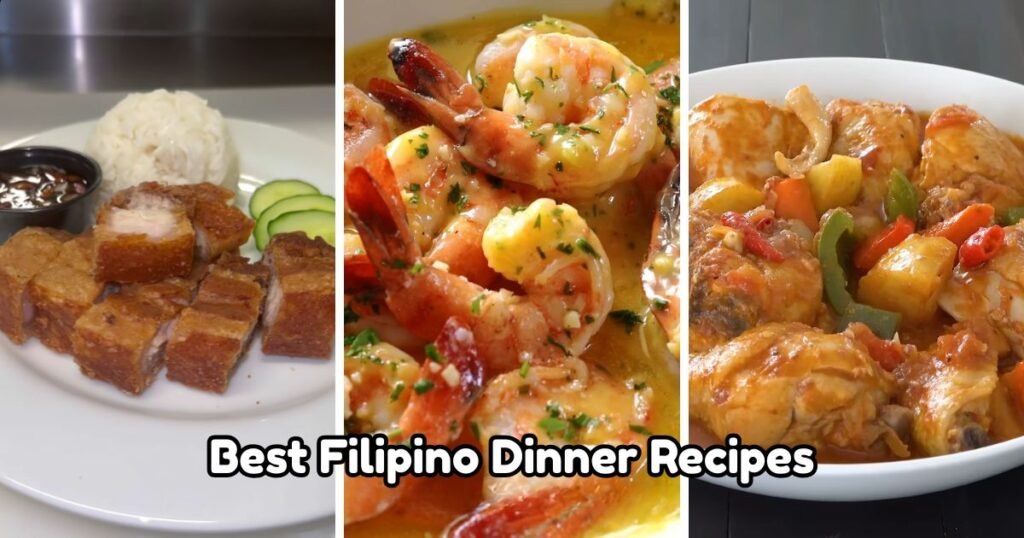
Filipino food is one of the most flavorful and hearty cuisines in Southeast Asia. It brings together bold savory tastes, a nice touch of sourness, and just a hint of sweetness — all in one bite. These layers of flavor are what make the best Filipino dinner recipes so hard to forget once you’ve tried them.
In Filipino homes, dinner is more than just eating. It is a time when the whole family sits together, shares a big pot of soup, and catches up after a long day. The dinner table is where stories are told and memories are made. Food holds the family together.
In this blog, you will find a wide collection of the best Filipino dinner recipes — from classic chicken and pork dishes to fresh seafood and hearty vegetable meals.
Every recipe here is made with simple ingredients, easy steps, and big, satisfying flavor. These are the same dishes cooked in Filipino kitchens every single day, and now you can make them at home too.

Why Filipino Dinner Recipes Are So Popular
Filipino cooking has won hearts all over the world, and it is easy to see why. Here are some of the top reasons people keep coming back to these dishes:
1. A Rich Mix of Culinary Influences. Filipino cuisine carries centuries of history in every recipe. Spanish colonization introduced tomato-based stews and slow-cooked meat dishes. Chinese traders brought noodle soups and stir-fried vegetables. Indigenous cooking traditions added coconut milk, fermented shrimp paste, and local herbs. The result is a cuisine that feels both familiar and completely unique at the same time.
2. Deep Comfort Food Flavor. There is something about Filipino food that feels like a warm hug. The rich broths, the slow-cooked meats, the creamy coconut sauces — each dish is built to make you feel full and satisfied. Whether it is a sour sinigang on a rainy day or a crispy lechon kawali at a family gathering, these meals hit deep.
3. Simple Ingredients, Big Results. Most Filipino dinner recipes use ingredients that are easy to find at any Asian grocery store — garlic, vinegar, soy sauce, tomatoes, onions, and coconut milk. The cooking methods are also easy to follow, even for beginners. You do not need any fancy cooking skills to make an incredible Filipino meal.
4. Perfect for Feeding a Crowd. Filipino food is designed to be shared. Most recipes make large portions, which makes them ideal for family dinners, parties, or meal prepping for the whole week.
5. A Dish for Every Mood. Feeling like something light? Try a vegetable pinakbet. Want something bold and rich? Beef caldereta has you covered. There is a Filipino recipe for every craving and every occasion.
1. Chicken Adobo
Prep Time: 10 minutes | Cook Time: 40 minutes | Serves: 4–6
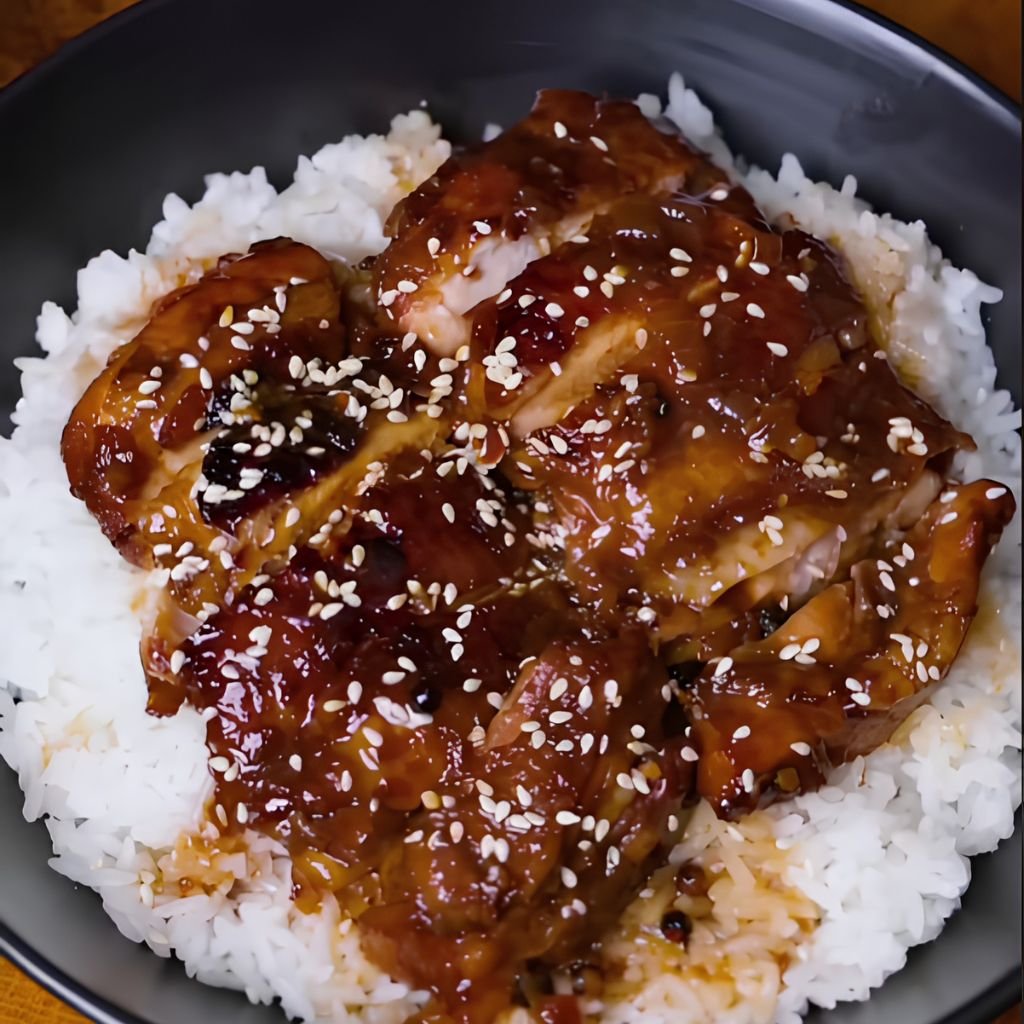
Chicken Adobo is the most well-known Filipino dish for a reason. Slow-cooked in soy sauce, vinegar, garlic, and bay leaves, every bite is packed with deep, tangy, savory flavor. The sauce thickens into a gorgeous glaze that coats each piece of chicken beautifully — perfect over a big bowl of steamed white rice.
Ingredients:
- 2 lbs chicken pieces (thighs and drumsticks)
- ½ cup soy sauce
- ½ cup white vinegar
- 1 whole head of garlic, crushed
- 3 bay leaves
- 1 tsp whole black peppercorns
- 1 tbsp cooking oil
- 1 tsp sugar (optional)
- ½ cup water
Instructions:
Start by placing your chicken pieces into a large bowl. Pour in the soy sauce and vinegar, then add the crushed garlic cloves, bay leaves, and whole black peppercorns. Give everything a good toss so the chicken is evenly coated in the marinade. Cover the bowl with plastic wrap and let it sit in the refrigerator for at least 30 minutes. If you have more time, leave it overnight — the longer it marinates, the deeper the flavor will be.
When you are ready to cook, heat the cooking oil in a large, heavy-bottomed pot or deep skillet over medium-high heat. Once the oil is hot and shimmering, take the chicken pieces out of the marinade and set the marinade liquid aside — you will need it later. Place the chicken skin-side down in the hot oil. Let it sear without moving it for about 3 to 4 minutes until the skin turns golden brown and slightly crispy. Flip the pieces over and sear the other side for another 2 to 3 minutes. This step adds a layer of texture and seals in the juices.
Once the chicken is nicely browned on both sides, pour in the reserved marinade liquid along with the ½ cup of water. Stir gently to combine. Bring the liquid to a boil over high heat. Once it starts boiling, reduce the heat to low and cover the pot with a lid. Let the chicken simmer slowly in the sauce for about 25 to 30 minutes. Check on it occasionally and turn the pieces halfway through cooking to make sure every side absorbs the sauce evenly.
After 25 minutes, remove the lid and taste the sauce. Add the teaspoon of sugar at this point if you want a slightly sweeter balance to the sour vinegar. Turn the heat back up to medium and let the sauce reduce and thicken for another 8 to 10 minutes, stirring gently. You want the sauce to coat the back of a spoon nicely. Remove the bay leaves before serving. Spoon the chicken and sauce generously over hot steamed rice and enjoy immediately. Leftovers taste even better the next day as the flavors continue to deepen.
2. Chicken Afritada
Prep Time: 15 minutes | Cook Time: 45 minutes | Serves: 4–6
Chicken Afritada is a hearty tomato-based stew loaded with potatoes, carrots, bell peppers, and tender chicken. Brought to Filipino cooking through Spanish influence, the recipe has become a true household staple — rich, colorful, and deeply satisfying after a long day.
Ingredients:
- 2 lbs chicken, cut into serving pieces
- 1 cup tomato sauce
- 1 cup chicken broth
- 2 medium potatoes, peeled and quartered
- 2 medium carrots, cut into chunks
- 1 red bell pepper, sliced
- 1 green bell pepper, sliced
- 1 medium onion, chopped
- 5 cloves garlic, minced
- 2 tbsp soy sauce
- 2 tbsp cooking oil
- Salt and pepper to taste
- ½ cup green peas (fresh or frozen)
Instructions:
Heat the cooking oil in a large, wide pot over medium heat. Add the chopped onion and cook, stirring frequently, for about 2 minutes until it softens and becomes translucent. Add the minced garlic and continue stirring for another minute until fragrant and lightly golden. Be careful not to burn the garlic, as it can turn bitter quickly.
Add the chicken pieces directly into the pot. Let them cook for about 4 to 5 minutes on each side without moving them too much. You want them to develop a light golden color on the outside. Sprinkle in the soy sauce and stir to coat the chicken evenly. Cook for another 2 minutes so the soy sauce gets absorbed into the chicken skin and adds color.
Pour in the tomato sauce and chicken broth. Stir everything together and bring it to a gentle boil over medium-high heat. Once boiling, reduce the heat to medium-low and add the potatoes and carrots. These vegetables take the longest to cook, so they go in first. Put the lid on the pot and let everything simmer together for about 20 minutes, checking and stirring occasionally.
After 20 minutes, check the potatoes and carrots with a fork. They should be getting tender but not falling apart. Add the sliced red and green bell peppers at this stage and stir them in gently. They only need about 5 to 7 minutes to soften while still keeping a bit of their color and texture. Toss in the green peas during the last 3 minutes of cooking. Taste the broth and adjust the seasoning with salt and pepper as needed. The stew should be thick, rich, and fragrant. Serve hot over a big plate of steamed white rice for the full Filipino comfort food experience.
3. Chicken Tinola
Prep Time: 10 minutes | Cook Time: 35 minutes | Serves: 4–6
Chicken Tinola is a light, ginger-scented soup that Filipinos turn to when they need something warm and soothing. Cooked with papaya, malunggay leaves, and a clear broth, it is one of the most nourishing and gentle dishes in all of Filipino cooking — comforting from the very first sip.
Ingredients:
- 2 lbs chicken, cut into pieces
- 1 medium green papaya, peeled, seeded, and sliced into wedges
- 2 cups fresh malunggay (moringa) leaves or spinach
- 2-inch piece of fresh ginger, peeled and sliced into thin strips
- 1 medium onion, sliced
- 4 cloves garlic, minced
- 2 tbsp fish sauce (patis)
- 6 cups water or chicken broth
- 2 tbsp cooking oil
- Salt and pepper to taste
Instructions:
Pour the cooking oil into a large pot and place it over medium heat. Once the oil is hot, add the sliced ginger first. Let it sizzle and cook for about 1 to 2 minutes — this step is important because cooking the ginger in oil first releases its natural oils and aroma, giving the entire soup a warm, spicy fragrance right from the start. Add the sliced onion next and stir until it softens, about 2 minutes. Then add the minced garlic and cook for another minute, stirring continuously.
Place the chicken pieces into the pot. Stir to coat the chicken well with the ginger, onion, and garlic mixture. Let the chicken cook for about 4 to 5 minutes, turning the pieces once, until they are lightly browned on the outside. Add the fish sauce and stir everything together. The fish sauce adds a deep umami saltiness that is the backbone of this soup’s flavor. Let it cook with the chicken for 2 minutes so the flavors meld together.
Pour in the water or chicken broth. Increase the heat to high and bring the pot to a full boil. Once boiling, use a spoon to skim off any foam or gray scum that floats to the surface — this keeps the broth clear and clean-tasting. Reduce the heat to medium-low and let the chicken simmer gently for about 20 minutes until it is cooked through and tender.
Add the green papaya wedges to the pot. The papaya will soften in the hot broth and absorb all that wonderful gingery flavor. Cook for another 8 to 10 minutes until the papaya is fork-tender but still holds its shape. Taste the broth and season with salt and pepper as needed. Just before serving, turn off the heat and stir in the malunggay leaves or spinach. Let the greens sit in the hot broth for 1 to 2 minutes — just enough to wilt them without losing their bright color. Ladle the soup into deep bowls and serve hot with steamed rice on the side. A squeeze of calamansi lime over the top is a lovely finishing touch.
4. Chicken Inasal
Prep Time: 20 minutes (plus marinating time) | Cook Time: 30 minutes | Serves: 4
Chicken Inasal comes from the Visayas region of the Philippines and is loved for its tangy, garlicky marinade and gorgeous char-grilled finish. Basted with annatto-infused butter while it cooks, the chicken turns deep orange-red and smoky — one of the most iconic grilled chicken recipes in Filipino cooking.
Ingredients:
- 4 whole chicken leg quarters (or 8 pieces of chicken thighs)
- ½ cup calamansi juice (or fresh lemon juice)
- ¼ cup vinegar
- ¼ cup soy sauce
- 1 stalk lemongrass, pounded and chopped
- 1 whole head garlic, minced
- 1 tsp grated fresh ginger
- 1 tsp brown sugar
- Salt and pepper to taste
- For basting: 4 tbsp butter + 1 tsp annatto (achuete) powder
Instructions:
Prepare the marinade by combining the calamansi juice, vinegar, soy sauce, minced garlic, grated ginger, pounded lemongrass, brown sugar, salt, and pepper in a large mixing bowl. Stir everything together until the sugar dissolves completely. Score the chicken pieces by making 2 to 3 deep cuts on each side with a sharp knife — this helps the marinade penetrate deep into the meat, not just the surface. Place the scored chicken into the marinade bowl and toss well to coat every piece thoroughly. Cover and refrigerate for a minimum of 4 hours, but overnight is highly recommended for the best flavor.
When you are ready to grill, prepare your basting sauce first. Melt the butter in a small saucepan over low heat and stir in the annatto powder. Let it cook for about 2 minutes, stirring, until the butter turns a rich orange color. Remove from heat and set aside. This orange basting butter is what gives chicken inasal its beautiful signature color.
Preheat your grill to medium-high heat. If using a charcoal grill, wait until the coals are covered in white ash for even heat. Remove the chicken from the marinade and shake off excess liquid. Place the chicken on the grill skin-side down first. Grill for about 8 to 10 minutes without moving them — you want those beautiful grill marks to form. Flip and grill the other side for another 8 minutes.
Begin basting the chicken generously with the annatto butter every 3 to 4 minutes as it continues to cook. The butter will drip and create small flames, which add to the smoky char. Keep flipping and basting every few minutes until the chicken is fully cooked through — about 25 to 30 minutes total. The internal temperature should reach 165°F (74°C). The outside should look deep orange with charred edges and smell absolutely incredible. Serve hot with garlic fried rice, a small bowl of vinegar dipping sauce, and fresh cucumber slices on the side.
5. Chicken Caldereta
Prep Time: 15 minutes | Cook Time: 50 minutes | Serves: 5–6
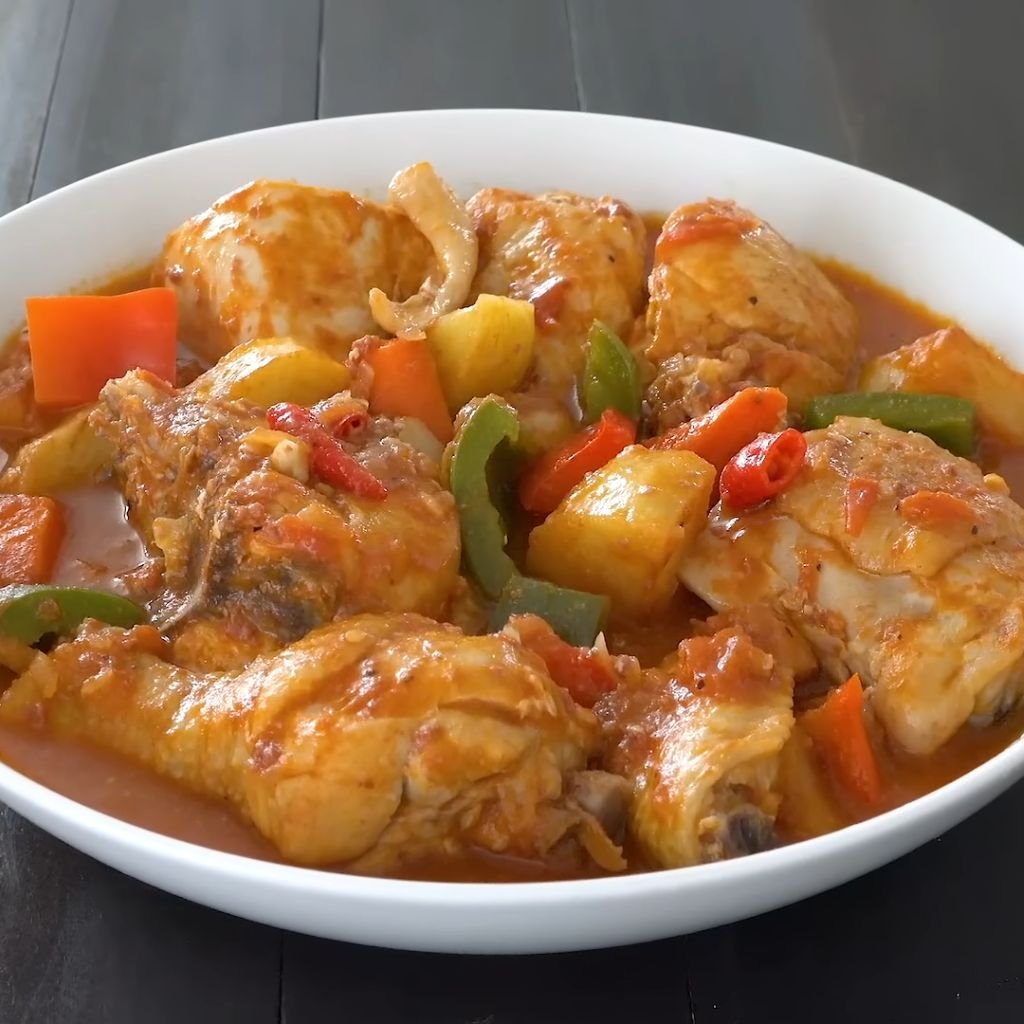
Chicken Caldereta is a rich, spicy tomato stew made with liver spread, olives, and vegetables. Every bowl is packed with bold flavor and a satisfying depth that makes it stand out from ordinary stews. Served over steamed rice, it is a crowd-pleasing dish that disappears fast at any Filipino dinner table.
Ingredients:
- 2 lbs chicken, cut into serving pieces
- 1 cup tomato sauce
- 3 tbsp liver spread (from a can)
- 1 cup chicken broth
- 2 medium potatoes, quartered
- 1 carrot, cut into chunks
- 1 red bell pepper, sliced
- ½ cup green olives
- 2–3 green chilies (siling pangsigang)
- 1 medium onion, diced
- 5 cloves garlic, minced
- 2 tbsp soy sauce
- 2 tbsp cooking oil
- Salt and pepper to taste
Instructions:
Heat the oil in a large heavy pot over medium heat. Sauté the diced onion until soft and translucent, about 2 minutes, then add the garlic and stir for another minute until golden and fragrant. Add the chicken pieces to the pot and let them brown for about 4 minutes on each side. You want the chicken to develop some color on the outside before the sauce goes in. Pour in the soy sauce and stir to coat the chicken, letting it cook for 2 more minutes.
Add the tomato sauce and chicken broth. Stir in the liver spread and mix it thoroughly into the sauce until it is completely dissolved and smooth — this is the ingredient that gives caldereta its signature rich, slightly creamy body. Bring everything to a boil over high heat, then reduce to medium-low and cover. Let the chicken cook in the sauce for 20 minutes, stirring occasionally so nothing sticks to the bottom.
Add the potatoes and carrots. Stir them in and let the stew cook for another 15 minutes with the lid on until the vegetables are tender. Add the sliced bell pepper, green olives, and green chilies. Stir gently and cook uncovered for a final 8 to 10 minutes. The sauce should reduce and thicken during this time. Taste and adjust with salt and pepper. The stew should taste rich, slightly spicy, and deeply savory. Serve hot with steamed white rice.
6. Pork Sinigang
Prep Time: 15 minutes | Cook Time: 1 hour | Serves: 6
Pork Sinigang is the ultimate Filipino sour soup — a bold, tangy broth loaded with pork ribs, kangkong, radish, and eggplant. Soured with fresh tamarind or tamarind powder, every bowl is bright, warming, and deeply satisfying. No Filipino dinner spread feels complete without a pot of sinigang on the table.
Ingredients:
- 2 lbs pork ribs or pork belly, cut into pieces
- 1 pack (44g) tamarind sinigang mix (or 200g fresh tamarind, boiled and strained)
- 8 cups water
- 2 medium tomatoes, quartered
- 1 medium onion, quartered
- 1 medium radish (labanos), sliced
- 1 medium eggplant, sliced
- 1 bundle kangkong (water spinach) or spinach
- 2 long green chilies
- 3 tbsp fish sauce (patis)
- Salt to taste
Instructions:
Place the pork pieces into a large pot and pour in the 8 cups of water. Add the quartered tomatoes and onion. Bring the pot to a boil over high heat. Once it reaches a rolling boil, use a spoon to skim off the gray foam that rises to the top — this comes from the pork proteins and removing it keeps the broth clear and clean. Once the foam is gone, reduce the heat to medium and let the pork simmer for about 30 to 40 minutes, or until the meat is tender and nearly falling off the bone. The longer you simmer pork ribs, the more flavorful and gelatinous the broth becomes.
Once the pork is tender, add the fish sauce and stir in the tamarind sinigang mix. If you are using fresh tamarind, add the strained tamarind liquid at this stage. Stir well and taste the broth. It should have a good level of sourness — if you want it more sour, add a little more tamarind mix. Bring the broth back to a gentle boil.
Add the sliced radish to the pot first since it takes the longest to soften. Let it cook for about 7 to 8 minutes. Next, add the eggplant and green chilies. Cook for another 5 minutes. Taste the broth again and adjust the seasoning with salt as needed. The balance between salty (fish sauce) and sour (tamarind) is what makes sinigang so special — adjust until you are happy with both.
Finally, add the kangkong or spinach leaves. Stir them in and turn off the heat immediately. The residual heat from the broth will wilt the greens perfectly without overcooking them. Keeping the greens bright and slightly crisp is the key to a beautiful bowl of sinigang. Serve straight from the pot into deep bowls alongside plenty of steamed white rice. Many Filipinos also enjoy dipping the pork pieces in fish sauce with chilies for extra flavor.
7. Crispy Pata
Prep Time: 20 minutes | Cook Time: 2 hours | Serves: 4–6
Crispy Pata is a showstopper dish — a whole pork leg boiled until tender, then deep-fried until the skin turns golden, crunchy, and absolutely irresistible. It looks impressive on any dinner table and tastes even better than it looks. Served with a tangy soy-vinegar dipping sauce, it is pure Filipino celebration food.
Ingredients:
- 1 whole pork pata (pork leg), about 3–4 lbs
- 1 tbsp salt
- 1 tsp whole black peppercorns
- 4 bay leaves
- 6 cups water (for boiling)
- Oil for deep frying
- For dipping sauce: ¼ cup soy sauce + ¼ cup vinegar + 1 tsp sugar + 2 cloves garlic, minced + sliced onion + chili
Instructions:
Start by cleaning the pork leg thoroughly under cold running water. Use a sharp knife to score the skin in a crosshatch pattern — make cuts about ½ inch deep in a diamond pattern all over the skin. This scoring is crucial because it allows the heat to penetrate the skin evenly and creates more surface area for crisping up during frying. Place the pork leg in a large stockpot and cover it completely with water. Add the salt, peppercorns, and bay leaves.
Bring the pot to a full boil over high heat. Once boiling, reduce the heat to medium-low and let the pork simmer, partially covered, for at least 1.5 to 2 hours. You want the meat to be very tender — when you poke it with a fork, it should slide in easily. This slow boiling also begins to break down the skin, which is important for getting it ultra-crispy later. During this time, check the water level occasionally and add more hot water if needed to keep the pork fully submerged.
Once the pork is fully cooked and tender, carefully remove it from the pot using tongs. Place it on a wire rack over a baking sheet and let it cool completely — ideally in the refrigerator for at least 2 hours or overnight. Drying the skin out is absolutely essential for maximum crispiness. Pat the outside very dry with paper towels before frying.
Pour enough oil into a deep pot or large wok to fully submerge the pork leg. Heat the oil to 375°F (190°C). Carefully lower the pork leg into the hot oil using a wire basket or long tongs. Stand back slightly as the oil may bubble up aggressively when the wet skin hits the hot oil. Deep fry for 15 to 20 minutes, turning occasionally, until the entire skin is golden brown and bubbled up into crunchy blisters all over. Remove and drain on paper towels. Mix together the dipping sauce ingredients in a small bowl. Serve the crispy pata whole or chopped into serving pieces on a large platter with the dipping sauce on the side.
8. Pork Menudo
Prep Time: 15 minutes | Cook Time: 50 minutes | Serves: 5–6
Filipino Pork Menudo is a savory tomato stew made with tender pork, hot dogs, chickpeas, potatoes, and liver. Unlike Mexican menudo, the Filipino version is a colorful, chunky stew loaded with texture and a rich, slightly sweet sauce. A beloved recipe in Filipino households for generations.
Ingredients:
- 1 lb pork, cut into small cubes
- ¼ lb pork liver, cut into small cubes
- 3 hot dogs, sliced
- 1 cup tomato sauce
- 1 cup pork or chicken broth
- 1 can (15oz) chickpeas (garbanzos), drained
- 2 medium potatoes, cubed
- 1 carrot, cubed
- 1 red bell pepper, diced
- 1 medium onion, diced
- 5 cloves garlic, minced
- 3 tbsp soy sauce
- 1 tbsp cooking oil
- Salt, pepper, and sugar to taste
Instructions:
Heat the oil in a large pot over medium heat. Sauté the diced onion until soft, then add the garlic and cook for 1 minute more. Add the pork cubes to the pot and cook, stirring occasionally, for about 5 to 6 minutes until lightly browned on all sides. Pour in the soy sauce and stir to coat the pork evenly. Let it cook for 2 minutes so the soy sauce reduces slightly and coats the meat.
Add the tomato sauce and broth to the pot. Stir everything together and bring to a boil. Once boiling, reduce the heat to medium-low, cover, and simmer for 20 minutes until the pork starts to become tender. Add the potatoes and carrots and continue cooking for another 12 minutes with the lid on. The vegetables will absorb the tomato sauce beautifully.
Add the pork liver, sliced hot dogs, drained chickpeas, and diced bell pepper. Stir gently and cook for a final 8 to 10 minutes. Pork liver cooks quickly, so do not overcook it — it should stay tender, not rubbery. Taste the sauce and adjust with salt, pepper, and a small pinch of sugar to balance the acidity of the tomato. The sauce should be thick, rich, and clinging to every ingredient. Serve hot over steamed white rice.
9. Bicol Express
Prep Time: 10 minutes | Cook Time: 35 minutes | Serves: 4–5
Bicol Express comes from the Bicol region in the Philippines and is famous for its fiery heat and creamy coconut milk base. Pork is simmered in rich coconut cream with lots of chilies and shrimp paste, making it one of the boldest and most addictive dishes in all of Filipino cuisine. It is spicy, creamy, and completely irresistible.
Ingredients:
- 1 lb pork belly or pork, cut into small cubes
- 2 cans (400ml each) coconut milk
- 2 tbsp bagoong (shrimp paste)
- 10–15 long green chilies, sliced
- 5–8 bird’s eye chilies (labuyo), for extra heat (optional)
- 1 medium onion, diced
- 6 cloves garlic, minced
- 1 tbsp cooking oil
- Salt to taste
Instructions:
Heat the oil in a wide skillet or wok over medium heat. Add the diced onion and cook for 2 minutes until soft. Add the minced garlic and stir for another minute until golden and fragrant. Add the pork belly cubes and cook over medium-high heat for about 5 to 6 minutes, stirring occasionally, until the pork pieces are browned on most sides and some of the fat has rendered out.
Add the bagoong (shrimp paste) directly to the pork and stir it in well. The shrimp paste will coat the pork and create an incredibly savory, umami-rich base. Cook the shrimp paste with the pork for about 2 minutes, stirring, so the flavors meld together. You will notice a very strong, rich aroma — this is exactly what you want.
Pour in both cans of coconut milk and stir everything together. Add all the sliced green chilies and bird’s eye chilies if using. Bring the coconut milk to a gentle boil over medium-high heat, then reduce to medium and let everything simmer uncovered for 20 to 25 minutes. During this time, stir the pot regularly to prevent the coconut milk from separating or sticking to the bottom. As the liquid reduces and thickens, the flavors intensify and the oil from the pork and coconut will start to separate slightly on the surface — this is a good sign that the dish is nearly done.
Continue cooking, stirring more frequently now, until the sauce thickens into a rich, creamy, oily gravy. Taste and add salt if needed — the bagoong already adds plenty of saltiness, so taste before adding any extra. The dish should taste creamy, intensely savory, and very spicy. Serve Bicol Express over a generous amount of steamed white rice — you will definitely need it to balance the heat.
10. Lechon Kawali
Prep Time: 10 minutes | Cook Time: 1 hour 30 minutes | Serves: 4–6
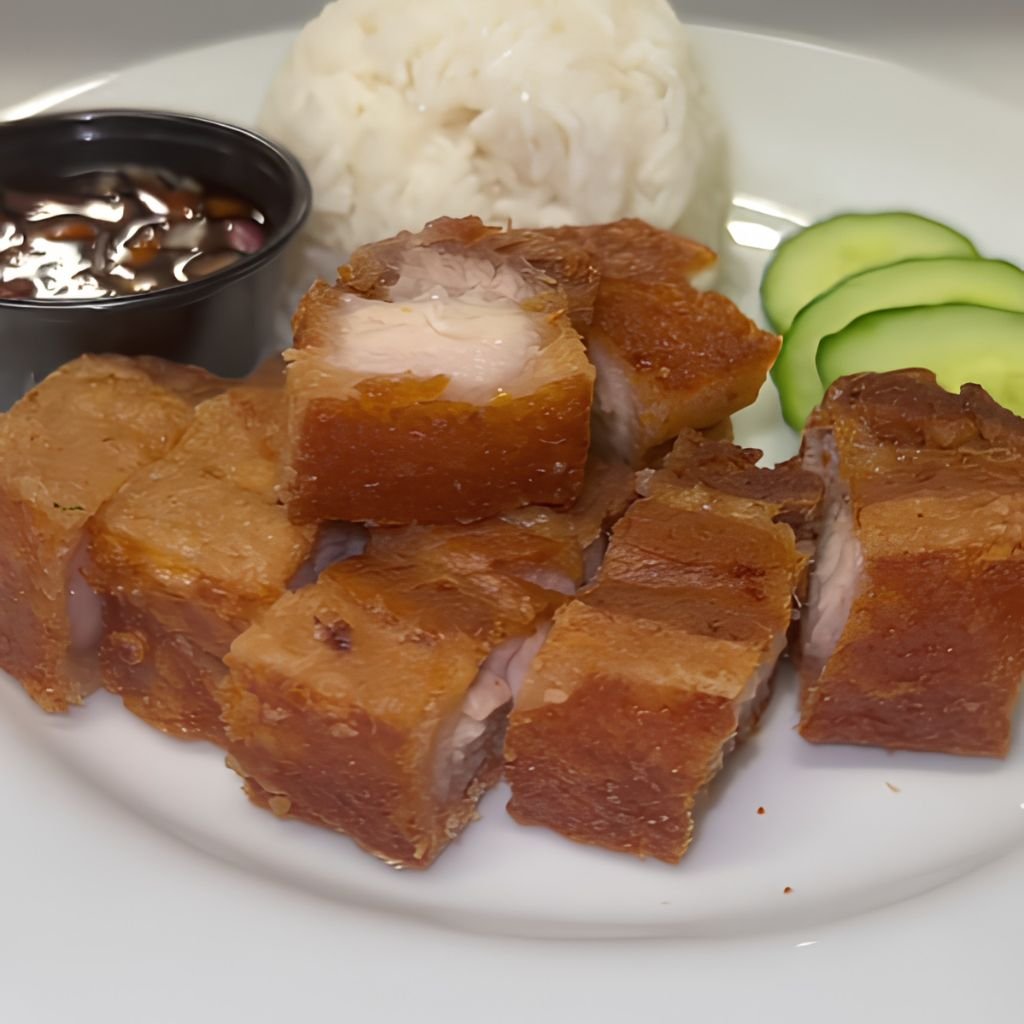
Lechon Kawali is crispy deep-fried pork belly that delivers everything you want in one bite — crackling, crunchy skin on the outside and moist, juicy meat inside. Boiled first with aromatics and then deep-fried to perfection, this recipe is a Filipino crowd favorite that belongs on every dinner table.
Ingredients:
- 2 lbs pork belly, whole slab
- 1 tbsp salt
- 1 tsp whole peppercorns
- 4 bay leaves
- 5 cups water (for boiling)
- Oil for deep frying
- Lechon sauce or soy-vinegar dip for serving
Instructions:
Place the whole slab of pork belly in a pot and add enough water to cover it. Add the salt, peppercorns, and bay leaves. Bring to a boil over high heat, then reduce to medium and simmer for 45 minutes to 1 hour until the meat is tender and cooked through. You can test the tenderness by piercing the thickest part with a chopstick — it should go through easily.
Remove the pork belly from the water carefully and place it on a wire rack. Pat it completely dry with paper towels, paying extra attention to the skin side. Drying the skin is the most important step for getting it perfectly crispy. For best results, place the rack in the refrigerator uncovered for at least 2 hours or up to overnight. The drier the skin, the more it will blister and bubble during frying.
Heat a large amount of oil in a deep pot to 375°F (190°C). Carefully lower the pork belly into the hot oil skin-side down first. Fry for 8 to 10 minutes on the skin side until the skin begins to bubble and blister. Turn and fry the meat side for another 5 minutes. Return to skin-side down and continue frying, adjusting the heat as needed to maintain temperature, for another 5 to 8 minutes until the skin is deep golden brown and covered in dramatic, crunchy blisters. Remove and drain thoroughly on paper towels. Let it rest for 5 minutes before chopping. Chop into serving pieces and serve immediately with lechon sauce or a side of soy sauce and vinegar.
11. Beef Caldereta
Prep Time: 20 minutes | Cook Time: 1 hour 30 minutes | Serves: 6
Beef Caldereta is a rich, hearty stew that slow-cooks beef chunks in a thick tomato and liver spread sauce loaded with potatoes, carrots, and bell peppers. The result is fall-apart tender beef in a sauce so deep and flavorful it is nearly impossible to stop eating. A Filipino fiesta dish through and through.
Ingredients:
- 2 lbs beef chuck or beef ribs, cut into large chunks
- 1 cup tomato sauce
- 3 tbsp liver spread
- 1 cup beef broth
- 2 medium potatoes, quartered
- 2 carrots, cut into chunks
- 1 red bell pepper, sliced
- ½ cup green olives
- 2–3 green chilies
- 1 medium onion, diced
- 6 cloves garlic, minced
- 2 tbsp soy sauce
- 2 tbsp cooking oil
- Salt and pepper to taste
Instructions:
Heat the cooking oil in a large, heavy pot over medium-high heat. Add the beef chunks and sear them in batches — do not crowd the pot. Let each piece brown for about 3 to 4 minutes per side before turning. Browning the beef is a critical step because it creates a rich, caramelized crust that adds enormous depth of flavor to the finished stew. Remove the seared beef and set aside.
In the same pot, add the diced onion and cook for 2 minutes until soft. Add the garlic and stir for 1 minute. Return the browned beef to the pot. Pour in the soy sauce and stir to coat the beef. Add the tomato sauce and beef broth. Stir in the liver spread until it dissolves completely into the sauce. Bring everything to a boil over high heat, then reduce the heat to low, cover the pot tightly, and let it simmer for 45 minutes to 1 hour. Beef chuck needs time to become tender — do not rush this stage. Check occasionally and stir, making sure the liquid level stays above the beef. Add a splash of broth or water if needed.
After the beef is tender, add the potatoes and carrots. Cook for 15 minutes with the lid on until the vegetables are tender. Add the bell pepper, green olives, and green chilies. Stir and cook uncovered for a final 8 to 10 minutes to let the sauce reduce and thicken. Taste and season with salt and pepper. The sauce should be rich, thick, and coating every piece of beef generously. Serve over steamed rice at dinner for a truly memorable meal.
12. Beef Tapa
Prep Time: 10 minutes (plus overnight marinating) | Cook Time: 15 minutes | Serves: 4
Beef Tapa is a Filipino cured and marinated beef dish that is pan-fried until slightly caramelized and savory-sweet. Classically served as “tapsilog” — tapa with garlic fried rice and a fried egg — it works beautifully at any meal. The sweet-savory marinade makes this one of the most craveable beef recipes in Filipino cooking.
Ingredients:
- 1 lb beef sirloin or tenderloin, sliced very thin
- ¼ cup soy sauce
- 3 tbsp sugar
- 1 tbsp white vinegar
- 6 cloves garlic, minced
- ½ tsp black pepper
- 2 tbsp cooking oil
Instructions:
Slice the beef as thinly as possible — about ¼ inch thick or less. For easier slicing, place the beef in the freezer for 30 minutes until slightly firm before cutting. Thin slices will cook quickly and caramelize beautifully. Place all the sliced beef into a bowl or zip-lock bag. Combine the soy sauce, sugar, minced garlic, vinegar, and black pepper in a small bowl, stirring until the sugar dissolves fully. Pour the marinade over the beef and mix everything together well. Make sure every slice is coated. Seal or cover and refrigerate overnight — or for a minimum of 4 hours. The longer it marinates, the more intense and complex the flavor will be.
When ready to cook, heat the cooking oil in a wide skillet or frying pan over medium-high heat. Remove the beef slices from the marinade, shaking off any excess. Place the beef in a single layer in the hot pan — work in batches if needed so the pan is not overcrowded. Overcrowding will steam the beef instead of frying it, and you will lose that beautiful caramelized crust.
Cook each batch for about 2 to 3 minutes per side. The sugars in the marinade will cause the beef to caramelize and develop dark, sticky edges — this is exactly what makes beef tapa so delicious. The edges should look slightly charred and the sauce should reduce to a thick, glossy coating on the meat. Do not walk away during this stage as the sugar can burn quickly. Once all batches are cooked, arrange on a plate and serve immediately alongside garlic fried rice and a fried egg for the full tapsilog experience. Add sliced tomatoes and a small dish of vinegar with garlic on the side.
13. Bulalo (Beef Shank Soup)
Prep Time: 15 minutes | Cook Time: 2–3 hours | Serves: 4–6
Bulalo is a slow-cooked beef shank soup with a broth so rich and clear it looks simple but tastes extraordinary. The long-simmered bone marrow melts into the soup, creating a silky, deeply beefy flavor that no other soup can replicate. A beloved comfort dish especially on cold rainy nights in the Philippines.
Ingredients:
- 2–3 lbs bone-in beef shank, cut into thick sections
- 2 ears of corn, cut into thirds
- 1 small head of cabbage, quartered
- 4 medium potatoes, halved
- 1 bunch pechay (bok choy) or cabbage
- 1 medium onion, halved
- 1 tbsp whole black peppercorns
- 3 tbsp fish sauce (patis)
- Salt to taste
- 10 cups water
Instructions:
Place the beef shanks into a large stockpot and cover with cold water. Bring to a boil over high heat. Once the water boils, you will see gray foam and impurities rising to the surface. Drain this water completely and rinse each beef shank under cold running water. This process is called blanching and it is essential for achieving a clean, clear broth rather than a murky, grayish soup.
Return the cleaned beef shanks to the pot. Add 10 fresh cups of water along with the halved onion and whole peppercorns. Bring to a boil again over high heat, then reduce to the lowest heat setting possible. You want a very gentle simmer — just small bubbles breaking at the surface slowly and steadily. Cover the pot partially and let the beef simmer for 2 to 3 hours. The low, slow heat is what makes the collagen in the bone marrow dissolve into the broth, creating that signature rich and silky texture. Do not rush this with high heat — it will toughen the meat and cloud the broth.
After 2 to 3 hours, the beef should be extremely tender and the meat should be pulling away from the bone. The marrow inside the bone should be soft and jelly-like. Season the broth generously with fish sauce and taste. Adjust with salt as needed. The broth should taste deeply beefy, slightly salty, and incredibly rich. Add the corn pieces and potatoes to the broth. Cook for 12 to 15 minutes until the potatoes are tender. Add the cabbage quarters and bok choy in the last 3 to 4 minutes of cooking — they only need a short time to soften. Serve the soup in wide, deep bowls making sure each bowl gets a piece of beef with the marrow bone, a piece of corn, and some vegetables. Offer fish sauce and calamansi on the side for dipping.
14. Beef Mechado
Prep Time: 15 minutes | Cook Time: 1 hour 30 minutes | Serves: 5–6
Beef Mechado is a deeply flavorful tomato-and-soy-based beef stew with tender chunks of beef slow-cooked until they practically melt. Often confused with caldereta or afritada, mechado has its own distinct identity — lighter and more soy-forward, with a sauce that is perfect for soaking into steamed white rice.
Ingredients:
- 2 lbs beef chuck, cut into cubes
- 1 cup tomato sauce
- 1 cup beef broth
- ¼ cup soy sauce
- 2 tbsp calamansi juice (or lemon juice)
- 2 medium potatoes, quartered
- 2 carrots, chunked
- 1 red bell pepper, sliced
- 1 medium onion, sliced
- 6 cloves garlic, minced
- 1 bay leaf
- 2 tbsp cooking oil
- Salt and pepper to taste
Instructions:
Combine the soy sauce and calamansi juice in a bowl. Add the beef cubes and marinate for at least 30 minutes. The acidity of the calamansi helps tenderize the meat and adds brightness to the final dish. Heat the oil in a large, heavy pot over medium-high heat. Remove the beef from the marinade (reserve the marinade) and sear the beef in batches until browned on all sides, about 3 to 4 minutes per batch. This browning develops the base flavor of the entire stew. Set seared beef aside.
In the same pot, sauté the sliced onion for 2 minutes, then add the garlic and cook for 1 more minute. Return all the seared beef to the pot. Pour in the reserved marinade, tomato sauce, and beef broth. Add the bay leaf. Stir everything together, bring to a boil, then reduce heat to low. Cover tightly and simmer for 45 minutes to 1 hour until the beef is very tender. Check the liquid level occasionally and add water or broth if it gets too low.
Once the beef is tender, add the potatoes and carrots. Cook covered for 15 minutes. Add the sliced bell pepper and cook for a final 5 to 7 minutes uncovered to allow the sauce to thicken. Remove the bay leaf. Taste and adjust seasoning with salt and pepper. The sauce should be thick and cling to the beef beautifully. Serve hot with steamed rice.
15. Garlic Butter Shrimp
Prep Time: 10 minutes | Cook Time: 10 minutes | Serves: 3–4
Filipino Garlic Butter Shrimp is quick, bold, and packed with flavor. Plump shrimp get sautéed in a generous amount of butter and garlic until golden and fragrant, finished with a splash of soy sauce and a squeeze of calamansi. Ready in under 15 minutes and always the first dish to disappear at the dinner table.
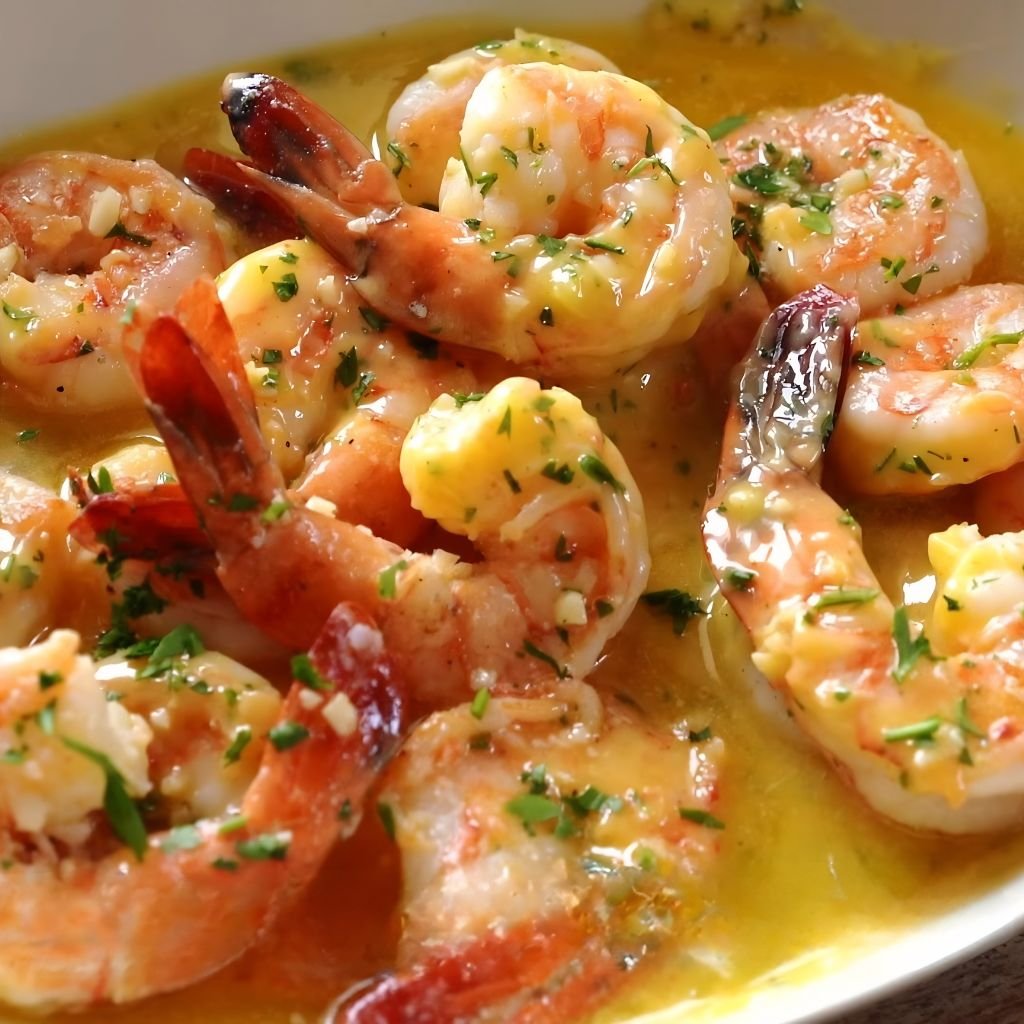
Ingredients:
- 1 lb large shrimp, shells on or peeled
- 4 tbsp butter
- 8 cloves garlic, minced finely
- 2 tbsp soy sauce
- 1 tbsp calamansi juice (or lemon juice)
- ¼ tsp ground black pepper
- 1 tbsp cooking oil
- Chopped green onions for garnish
Instructions:
Rinse the shrimp thoroughly and pat them very dry with paper towels. If you leave excess moisture on the shrimp, they will steam instead of sear in the pan, and you will lose that beautiful golden crust. Season lightly with black pepper and set aside. Heat the cooking oil in a large, wide skillet over high heat. You want the pan very hot before the shrimp go in.
Place the shrimp in a single layer in the hot pan — work in two batches if your shrimp are large to avoid crowding. Cook without moving for 1.5 to 2 minutes until the underside turns pink and starts to curl. Flip each shrimp and cook for another 1 to 1.5 minutes on the other side. Remove the shrimp from the pan and set aside — they will finish cooking briefly in the sauce later.
Reduce the heat to medium. Add the butter to the same pan and let it melt. Once the butter is foamy, add all the minced garlic. Stir constantly for 1 to 2 minutes, watching carefully — you want the garlic to turn golden and fragrant but not brown or burnt. Add the soy sauce and calamansi juice and stir quickly. The sauce will sizzle and bubble up. Return all the shrimp to the pan and toss everything together in the garlic butter sauce. Cook for just 1 more minute so the shrimp absorb the sauce. Taste and adjust seasoning. Transfer to a serving plate and top with chopped green onions. Serve immediately over hot steamed rice or with crusty bread for dipping into the sauce.
16. Sinigang na Hipon (Shrimp Sour Soup)
Prep Time: 10 minutes | Cook Time: 25 minutes | Serves: 4–5
Sinigang na Hipon swaps pork for fresh shrimp in the beloved sour tamarind broth, creating a lighter and quicker version of the classic Filipino soup. The shrimp cook quickly and soak up that tangy, savory broth beautifully — a clean, fresh, and absolutely comforting bowl of soup that comes together in under 30 minutes.
Ingredients:
- 1 lb large shrimp, heads on
- 1 pack (44g) tamarind sinigang mix
- 6 cups water
- 2 medium tomatoes, quartered
- 1 medium onion, quartered
- 1 medium radish, sliced
- 1 bundle kangkong or spinach
- 2 long green chilies
- 3 tbsp fish sauce
- Salt to taste
Instructions:
Pour the water into a medium pot and bring it to a boil over high heat. Add the quartered tomatoes and onion directly to the boiling water. Let them cook for about 5 minutes — the tomatoes will soften and begin to break down, releasing their flavor into the broth. Press on the tomatoes gently with the back of a spoon to help them release more juice. Add the fish sauce and tamarind sinigang mix. Stir well until the powder dissolves completely. Taste the broth — it should be pleasantly sour and savory. Adjust by adding more sinigang mix or fish sauce as needed.
Add the sliced radish and green chilies to the pot. Let them simmer for about 7 to 8 minutes until the radish is just tender. Shrimp cook very quickly, so add them last. Place the shrimp into the hot broth and stir gently. Cook for just 3 to 4 minutes until the shrimp turn pink and curl into a C-shape. Do not overcook the shrimp — once they form a tight curl or an O-shape, they are overdone and will be rubbery. Add the kangkong or spinach leaves and immediately turn off the heat. Let the greens wilt in the residual heat for about 1 minute. Ladle into bowls and serve immediately with steamed white rice and a small dish of fish sauce with chopped chilies for dipping.
17. Fried Bangus (Milkfish)
Prep Time: 10 minutes | Cook Time: 20 minutes | Serves: 3–4
Fried Bangus, or milkfish, is one of the most iconic everyday Filipino meals. Marinated in vinegar, garlic, and salt, then fried golden and crispy all the way to the edges, bangus has a flavor and texture that simply cannot be beat. Paired with garlic fried rice and a dipping sauce, it is classic Filipino comfort on a plate.
Ingredients:
- 1 whole bangus (milkfish), cleaned and butterflied
- 3 tbsp white vinegar
- 4 cloves garlic, minced
- 1 tsp salt
- ½ tsp black pepper
- Cooking oil for frying
Instructions:
Lay the cleaned, butterflied bangus flat in a large shallow dish. Rub the minced garlic all over the fish, pressing it into the flesh on both sides. Drizzle the vinegar evenly over the fish and season generously with salt and black pepper. Rub the seasonings into every part of the fish — the flesh, the cavity, and even into any cuts. Let the fish marinate for at least 20 minutes at room temperature, or cover and refrigerate for 1 to 2 hours for deeper flavor. Pat the fish very dry with paper towels just before frying — this is the key step for getting extra-crispy skin and flesh.
Heat a generous amount of cooking oil in a large, wide pan over medium-high heat. You need enough oil to come about halfway up the fish. The oil should be very hot — to test it, drop a tiny piece of the fish into the oil; it should sizzle immediately and vigorously. Carefully lower the bangus into the hot oil skin-side down first. Be cautious as the oil may splatter.
Fry the bangus on one side for about 8 to 10 minutes without moving it. The extended frying time on one side is what creates the incredibly crispy, golden skin that bangus is known for. You should hear a steady, strong sizzle the entire time. Resist the urge to move or flip it too early — patience is rewarded with crispiness. Once the bottom is deeply golden brown, carefully flip the fish using a wide spatula and fish tongs together. Fry the second side for another 6 to 8 minutes until equally golden and crispy. Remove from the oil and drain on paper towels. Serve hot with garlic fried rice, sliced tomatoes, and a small bowl of vinegar with garlic or banana ketchup.
18. Ginataang Alimasag (Crab in Coconut Milk)
Prep Time: 15 minutes | Cook Time: 25 minutes | Serves: 4
Ginataang Alimasag is blue crab simmered in thick, rich coconut milk with ginger, chilies, and spinach. The crab absorbs all that creamy, slightly spicy coconut broth as it cooks, creating a luxurious seafood dish that feels special but is surprisingly easy to make at home with fresh crabs from the market.
Ingredients:
- 2 lbs blue crabs (alimasag), cleaned and halved
- 2 cans (400ml each) coconut milk
- 2-inch piece ginger, sliced into strips
- 1 medium onion, diced
- 5 cloves garlic, minced
- 3–5 long green chilies
- 2 cups spinach or malunggay leaves
- 2 tbsp fish sauce
- 1 tbsp cooking oil
- Salt and pepper to taste
Instructions:
Heat the cooking oil in a wide, deep pan or wok over medium heat. Add the ginger strips first and let them cook in the oil for about 1 to 2 minutes — this blooms the ginger’s natural heat and fragrance into the oil, which becomes the base of the entire dish. Add the diced onion and cook until soft, about 2 minutes. Add the garlic and stir for 1 minute more.
Pour in both cans of coconut milk and stir everything together. Add the fish sauce and green chilies. Bring the coconut milk to a gentle simmer over medium heat — stir regularly to prevent the coconut milk from separating or boiling too aggressively. Once the coconut milk is simmering steadily, add the cleaned crab halves. Stir gently to make sure all the crab pieces are submerged in the coconut broth as much as possible. Cover the pan and cook for 12 to 15 minutes, stirring occasionally. The crabs will turn bright orange as they cook and the coconut milk will reduce and thicken.
Once the crabs are fully cooked and bright orange-red, taste the broth and adjust with salt and pepper. The broth should be rich, creamy, slightly spicy, and deeply savory from the crab juices. Add the spinach or malunggay leaves in the last 2 minutes of cooking and stir them in gently. Turn off the heat and serve immediately in a large bowl with steamed white rice on the side. Make sure every person gets plenty of that incredible coconut broth for pouring over their rice.
19. Pinakbet
Prep Time: 20 minutes | Cook Time: 25 minutes | Serves: 4–5
Pinakbet is a traditional Filipino vegetable stew from the Ilocos region, made with bitter melon, eggplant, squash, okra, and long beans seasoned with shrimp paste. Every bite is bold, earthy, and unmistakably Filipino. Pinakbet is proof that vegetables can be just as satisfying and flavorful as any meat dish.
Ingredients:
- 1 cup kalabasa (squash), cut into cubes
- 1 medium ampalaya (bitter melon), sliced
- 2 medium eggplants, sliced
- 1 cup sitaw (long beans), cut into 2-inch pieces
- 6 okra, halved
- 100g pork belly or shrimp (optional)
- 3 tbsp bagoong alamang (shrimp paste)
- 1 medium onion, sliced
- 4 cloves garlic, minced
- 2 medium tomatoes, diced
- 1 tbsp cooking oil
- ½ cup water
Instructions:
If using bitter melon, slice it thin and soak in salted water for 10 minutes to reduce some of its bitterness. Drain and pat dry before cooking. Heat the oil in a large wok or wide pan over medium heat. Add the sliced onion and cook until translucent, about 2 minutes. Add the garlic and tomatoes and cook for another 2 to 3 minutes, pressing the tomatoes down until they break apart and release their juice. The tomatoes create a light brothy base that helps steam the vegetables as they cook.
Add the pork belly or shrimp (if using) and cook until browned or pink. Add the bagoong alamang and stir everything together. Let the shrimp paste cook with the aromatics for about 2 minutes — this deepens its flavor significantly. Add the squash first since it takes the longest to soften. Stir to coat with the bagoong mixture. Pour in the water, cover, and cook for 5 minutes.
Add the bitter melon, eggplant, and long beans. Stir gently — you want the vegetables layered, not mushed together. Cover and cook for another 7 to 8 minutes over medium heat, stirring once halfway through. Add the okra in the last 3 to 4 minutes of cooking — it cooks fast and should remain slightly firm with a nice bite. Remove the lid and let any excess liquid evaporate for 1 to 2 minutes. Taste and adjust with a little salt if needed, remembering that the bagoong is already salty. Serve hot with steamed white rice. Pinakbet is best served right away while the vegetables still hold their shape and color.
20. Ginisang Ampalaya
Prep Time: 15 minutes | Cook Time: 15 minutes | Serves: 3–4
Ginisang Ampalaya is sautéed bitter melon with eggs, garlic, onions, and tomatoes — a quick, nutritious Filipino side dish that transforms a humble vegetable into something truly delicious. The bitterness of the ampalaya is balanced by the savory-sweet sauté base and the richness of scrambled egg throughout.
Ingredients:
- 2 medium ampalaya (bitter melons), sliced thinly
- 3 eggs, beaten
- 2 medium tomatoes, diced
- 1 medium onion, sliced
- 4 cloves garlic, minced
- 2 tbsp soy sauce
- 1 tbsp cooking oil
- Salt and pepper to taste
Instructions:
Slice the ampalaya in half lengthwise and use a spoon to scoop out all the white seeds and pith from the center — the pith is where most of the intense bitterness comes from. Slice the ampalaya into thin half-moon pieces. Place the sliced ampalaya into a bowl of water with 1 tablespoon of salt. Let it soak for 10 to 15 minutes — this draws out some of the bitterness. Drain the ampalaya and squeeze out as much liquid as possible with your hands. Set aside.
Heat the oil in a wide pan or wok over medium-high heat. Add the sliced onion and cook for 2 minutes until soft and slightly caramelized. Add the garlic and cook for another minute. Add the diced tomatoes and stir until they soften and break down slightly, about 2 to 3 minutes. Add the squeezed ampalaya to the pan and toss everything together. Pour in the soy sauce and stir well to coat the ampalaya. Cook, stirring occasionally, for about 5 to 6 minutes. The ampalaya should soften but still have a slight bite — it should not be mushy.
Push the ampalaya to one side of the pan. Pour the beaten eggs into the empty side of the pan. Let them sit for about 30 seconds before scrambling them with a spatula. As the eggs begin to set, fold them into the ampalaya mixture gently. Stir everything together quickly for about 1 more minute until the eggs are fully cooked and distributed throughout the dish. Season with salt and pepper to taste. Serve immediately over steamed white rice as a side dish or light main meal.
21. Laing (Taro Leaves in Coconut Milk)
Prep Time: 10 minutes | Cook Time: 45 minutes | Serves: 4–5
Laing is a dish from Bicol made of dried taro leaves slow-cooked in coconut milk with shrimp paste and chilies until thick and deeply creamy. It is rich, spicy, slightly smoky, and unlike anything else in Filipino cooking. One bowl of laing over rice is a full, satisfying meal all on its own.
Ingredients:
- 200g dried taro leaves (gabi leaves), or fresh if available
- 2 cans (400ml each) coconut milk
- 100g pork belly or shrimp (optional)
- 2 tbsp bagoong (shrimp paste)
- 5–8 long green chilies
- 3–5 bird’s eye chilies (optional, for heat)
- 1 medium onion, sliced
- 6 cloves garlic, minced
- 2-inch ginger, sliced
- 1 tbsp cooking oil
Instructions:
If using dried taro leaves, do not soak them in water beforehand — simply crumble them roughly with your hands and set aside. If using fresh taro leaves, handle carefully with gloves as the raw leaves can cause skin irritation. Heat the oil in a large, deep pot over medium heat. Add the ginger strips first and cook for 1 minute, then add the sliced onion and cook for 2 minutes until soft. Add the garlic and stir for another minute.
Add the pork belly or shrimp if using. Cook until the pork is lightly browned or the shrimp turns pink. Add the bagoong and stir it in well, letting it cook with the aromatics for about 2 minutes to develop its depth of flavor. Pour in both cans of coconut milk and stir everything together. Add all the chilies. Bring the coconut milk to a simmer over medium heat, stirring regularly.
Add the dried taro leaves to the simmering coconut milk. Do not stir the leaves once they are added for the first 10 to 12 minutes — this is the traditional way of cooking laing and it prevents the leaves from becoming itchy or irritating in the mouth, which can happen when the raw leaves come into contact with saliva before they are fully cooked. After 12 minutes, the taro leaves will have absorbed most of the coconut milk and softened. Now you can stir gently. Continue cooking over low heat, stirring occasionally, for another 20 to 25 minutes. The laing should become very thick, creamy, and the coconut oil should visibly separate and pool slightly at the edges — this is the sign that it is fully cooked and ready. Taste and season with salt if needed. Serve hot over steamed white rice.
22. Chop Suey Filipino Style
Prep Time: 20 minutes | Cook Time: 15 minutes | Serves: 4–5
Filipino Chop Suey is a colorful stir-fry of mixed vegetables, chicken, shrimp, and quail eggs in a light savory sauce. Brought in through Chinese influence and then completely made into a Filipino classic, this dish is crunchy, bright, filling, and on the dinner table in under 20 minutes of cooking time.
Ingredients:
- 1 cup chicken breast, sliced thinly
- ½ cup shrimp, peeled
- 1 cup cauliflower florets
- 1 cup cabbage, roughly chopped
- 1 cup snap peas or snow peas
- 1 medium carrot, sliced diagonally
- 1 stalk celery, sliced
- 1 cup young corn, halved
- 6 quail eggs, boiled and peeled (or 2 regular eggs)
- 3 tbsp oyster sauce
- 1 tbsp soy sauce
- 1 cup chicken broth
- 1 tbsp cornstarch + 2 tbsp water
- 1 medium onion, sliced
- 5 cloves garlic, minced
- 2 tbsp cooking oil
- Salt and pepper to taste
Instructions:
Mix the cornstarch with 2 tablespoons of cold water in a small bowl and set aside — this will be used at the end to thicken the sauce. Heat the cooking oil in a large wok over very high heat. The key to good stir-fry is working on very high heat so the vegetables cook quickly and stay crisp rather than going limp. Add the sliced onion and garlic and stir constantly for about 1 minute until fragrant. Add the sliced chicken and cook, stirring, for 3 to 4 minutes until fully cooked through and lightly browned. Add the shrimp and toss with the chicken for another 2 minutes until pink.
Add the harder vegetables first — carrots, cauliflower, celery, and young corn. Toss and stir-fry over high heat for 2 to 3 minutes. Pour in the chicken broth, oyster sauce, and soy sauce. Stir everything together and let the broth come to a quick boil. The broth and sauce will steam the vegetables quickly. Add the cabbage, snap peas, and quail eggs. Toss and cook for another 2 to 3 minutes — the vegetables should be cooked through but still have a good crunch and bright color.
Give the cornstarch mixture a quick stir and pour it into the pan. Toss everything together quickly — the sauce will thicken in about 30 to 60 seconds into a light, glossy coating that clings to all the vegetables and protein. Taste and season with salt and pepper. The dish should taste bright, savory, and lightly saucy — not soupy or dry. Serve immediately over steamed white rice while the vegetables are still vibrant and crispy. Chop suey does not keep well, so it is best eaten right away.
23. Pancit Canton
Prep Time: 20 minutes | Cook Time: 20 minutes | Serves: 5–6
Pancit Canton is thick egg noodles stir-fried with chicken, shrimp, vegetables, and a savory soy-based sauce. In Filipino culture, noodles are a symbol of long life and are served at every birthday and celebration. Hearty, filling, and loaded with toppings, pancit canton is one of the most beloved dishes in the entire Filipino kitchen.
Ingredients:
- 400g pancit canton noodles (dried egg noodles)
- 1 cup chicken breast, sliced
- ½ cup shrimp, peeled
- 1 cup cabbage, shredded
- 1 carrot, julienned
- 1 cup snap peas
- 1 stalk celery, sliced
- 1 medium onion, sliced
- 5 cloves garlic, minced
- ¼ cup soy sauce
- 2 tbsp oyster sauce
- 2 cups chicken broth
- 2 tbsp cooking oil
- Salt and pepper to taste
- Calamansi and green onions to serve
Instructions:
Heat the oil in a large wok over high heat. Add the onion and stir for 1 minute until slightly softened. Add the garlic and cook for another minute. Add the sliced chicken and cook, stirring, for about 3 to 4 minutes until fully cooked and lightly browned. Add the shrimp and cook for 2 minutes until pink. Drizzle in the soy sauce and oyster sauce and toss everything together so the chicken and shrimp are well coated in the sauce.
Add the harder vegetables — carrots, celery, and snap peas — and toss with the meat for about 2 minutes. Pour in 1.5 cups of the chicken broth and stir. Add the dried pancit canton noodles directly into the pan. Do not soak the noodles beforehand — they will absorb the broth and soften as they cook in the pan. Press the noodles down gently into the broth with a spoon and let them sit for about 1 minute. Then start folding the noodles from the bottom up, mixing them in with the meat and vegetables. As the noodles absorb the broth, they will soften and become glossy and coated in the sauce.
Add the remaining broth if the noodles look too dry or are sticking together. Add the shredded cabbage and fold it in gently. Cook for another 2 to 3 minutes until the noodles are fully cooked through, tender but still with a slight chew, and well coated in the sauce. Taste and adjust with salt and pepper. The pancit should look shiny and dark golden from the soy sauce. Transfer to a large serving platter and top with sliced green onions. Serve with calamansi halves on the side for squeezing over the top — the acidity of the calamansi brightens the whole dish beautifully.
24. Pancit Bihon
Prep Time: 20 minutes | Cook Time: 20 minutes | Serves: 5–6
Pancit Bihon uses thin rice noodles instead of egg noodles, making for a lighter, more delicate version of the beloved Filipino noodle dish. Tossed with chicken, vegetables, and a savory soy broth, the glass-like rice noodles soak up every bit of flavor around them. A staple at Filipino family gatherings and birthday celebrations.
Ingredients:
- 400g pancit bihon (thin rice noodles)
- 1 cup chicken breast, shredded or thinly sliced
- ½ cup shrimp, peeled
- 1 cup cabbage, shredded
- 1 carrot, julienned
- 1 cup green beans, cut into 1-inch pieces
- 1 stalk celery, sliced
- 1 medium onion, sliced
- 5 cloves garlic, minced
- ¼ cup soy sauce
- 2 cups chicken broth
- 2 tbsp cooking oil
- Salt and pepper to taste
- Calamansi to serve
Instructions:
Soak the pancit bihon noodles in room-temperature water for 10 minutes to soften them slightly. They should be pliable and flexible but not fully soft yet — they will finish cooking in the wok with the broth. Drain and set aside. Heat the oil in a large wok or wide pan over high heat. Sauté the onion for 1 minute, then add the garlic and cook for another minute until fragrant and golden.
Add the sliced chicken and cook for 3 to 4 minutes until white and fully cooked through. Add the shrimp and cook for 2 minutes until pink. Pour in the soy sauce and toss everything together so the chicken and shrimp absorb its color and flavor. Add the carrots, green beans, and celery. Stir-fry over high heat for 2 minutes. Pour in the chicken broth and bring to a quick boil. The broth will deglaze the pan and pick up all the flavored bits from the bottom.
Add the drained bihon noodles to the pan. Using tongs or two spatulas, toss and fold the noodles continuously into the broth and ingredients. The thin rice noodles will absorb the broth very quickly — keep tossing so every strand gets coated and nothing sticks together. Add the shredded cabbage on top and continue folding for another 2 to 3 minutes. The cabbage will wilt into the noodles as the last bit of broth is absorbed. Taste and season with salt and pepper. The noodles should look glossy, fully coated in the soy-based sauce, and every forkful should have a mix of noodles, vegetables, and protein. Plate on a large serving dish and serve with calamansi on the side. A splash of calamansi squeezed over the top right before eating makes every bite come alive.
25. Filipino Fried Rice (Sinangag)
Prep Time: 5 minutes | Cook Time: 10 minutes | Serves: 3–4
Sinangag is garlicky Filipino fried rice made with leftover cold rice and a whole lot of garlic. Simple, quick, and deeply satisfying, this is the rice that forms the base of the beloved “silog” meals — paired with tapa, longganisa, or any ulam. The golden garlic bits throughout the rice are the whole point and the best part.
Ingredients:
- 3 cups cooked rice (day-old, cold rice works best)
- 8 cloves garlic, minced finely
- 2 tbsp cooking oil
- 2 tsp soy sauce
- Salt and pepper to taste
- 2 stalks green onions, sliced (optional)
Instructions:
Day-old cold rice is non-negotiable for the best sinangag. Freshly cooked warm rice is too moist and will clump together and steam in the pan instead of frying. If you only have fresh rice, spread it on a baking sheet and refrigerate it uncovered for at least 1 hour to dry it out. Before frying, break up any large clumps of cold rice with your hands or a fork so the grains are loose and separate. This ensures every grain gets coated in garlic and oil evenly.
Heat the cooking oil in a large wok or wide skillet over medium heat. Add all the minced garlic to the cold oil and let it heat up together slowly. Cooking garlic in cold oil and bringing it to heat gradually ensures the garlic turns evenly golden and toasted without burning in spots. Stir the garlic constantly as the oil heats up. After about 2 to 3 minutes, the garlic should be golden brown and smelling incredible — nutty, fragrant, and toasted. Watch it very carefully during this stage because garlic can go from golden to burned in seconds.
Once the garlic is golden, immediately add all the cold rice to the wok. Increase the heat to high. Spread the rice out in an even layer across the pan and let it sit undisturbed for about 1 minute so the bottom layer gets a chance to toast slightly. Then toss and stir-fry vigorously, folding the garlic up through the rice until every grain is coated in the golden garlic oil. Drizzle in the soy sauce and toss quickly. Season with salt and pepper to taste. Cook, tossing continuously, for another 3 to 4 minutes until the rice is heated through, slightly toasted in spots, and fragrant with garlic. Top with sliced green onions and serve immediately as a base for any Filipino ulam, egg, or protein.
How to Plan a Complete Filipino Dinner
Putting together a full Filipino dinner spread is easier than it looks. Here is a simple guide to creating a balanced, satisfying meal that feels like a real home-cooked feast:
1. Pair a Main Dish, a Soup, and a Side. A well-balanced Filipino dinner table usually has three components working together. Start with one main dish — this could be chicken adobo, pork sinigang, or beef caldereta. Add a hot soup alongside it, such as tinola or bulalo. Then add one vegetable side dish like pinakbet or ginisang ampalaya. This combination covers all your flavor bases: savory, sour, and earthy.
2. Always Have Plenty of Rice. Steamed white rice is not just a side in Filipino meals — it is the center of the entire table. Cook more than you think you need. A good rule is at least 1.5 cups of uncooked rice per person, especially if the dishes are saucy and flavorful.
3. Serving Suggestions. Place all the dishes in the middle of the table for family-style sharing — this is called “boodle” or shared style eating. Provide a small dish of fish sauce (patis) and calamansi on the side, as many Filipinos like to add a squeeze of calamansi or a dip of patis to their food. Fresh sliced tomatoes and a small bowl of bagoong on the side are also welcome additions.
4. Traditional Filipino Table Setup. In a traditional Filipino dinner setup, the main dish goes in the center, soup goes to one side in a pot or large bowl, and the vegetable dish goes on the other side. Rice is served directly onto each person’s plate before the meal starts. Drinks are typically kept simple — cold water, juice, or soft drinks. Dessert comes after the main meal and is often something sweet like leche flan, halo-halo, or fresh tropical fruit.
5. Cooking Order Tip. Plan your cooking order wisely. Dishes that take the longest — like bulalo or crispy pata — should be started first. Quick dishes like garlic butter shrimp or ginisang ampalaya should be cooked last and served fresh. Adobo and sinigang actually taste better when made ahead, so those are great candidates for early cooking.
Conclusion
Filipino cuisine is rich in flavor, history, and heart. Every dish on this list — from the tangy depth of pork sinigang to the creamy heat of bicol express — tells a story about where Filipino food comes from and why it continues to be loved by so many people around the world. The best Filipino dinner recipes are not just about good taste. They are about bringing people together, sharing a meal, and feeling at home no matter where you are.
The beauty of Filipino cooking is that it truly welcomes everyone, no matter your skill level in the kitchen. The ingredients are simple, the steps are straightforward, and the results are always deeply satisfying. Give yourself permission to try something new — start with chicken adobo or garlic butter shrimp, and slowly work your way through more complex dishes like laing or crispy pata as your confidence grows.
Do not feel like you need to master every recipe at once. Cook one dish this week, try another next week, and before long you will have a whole rotation of Filipino favorites that your family and friends will keep asking for. Season boldly, taste as you go, and enjoy the process as much as the meal itself. The kitchen is the best place to explore Filipino cuisine — and this collection of the best Filipino dinner recipes is the perfect place to start.