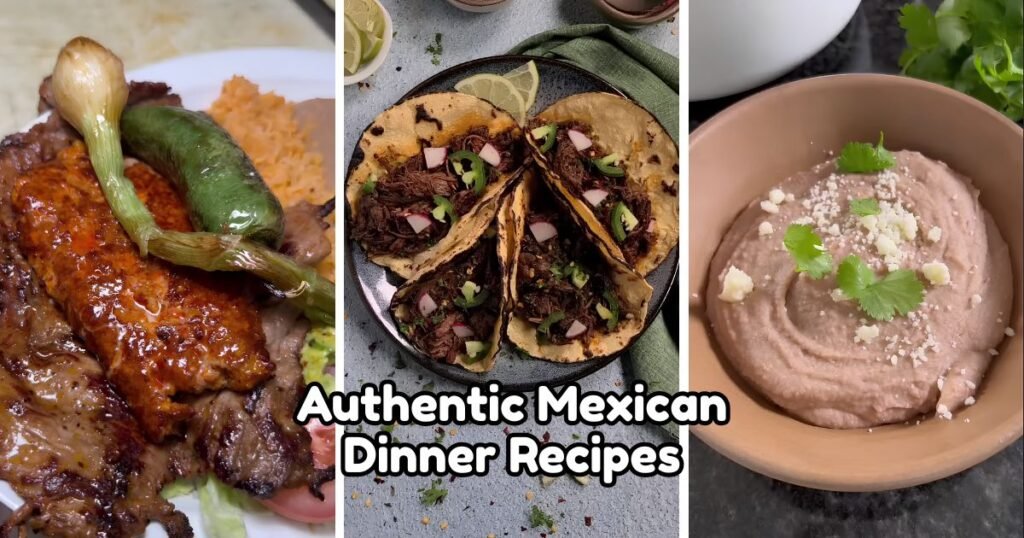
Mexican food has a long history full of bold flavors, colorful ingredients, and deep cultural roots. From the smoky kitchens of Oaxaca to the coastal shores of Baja California, authentic Mexican dinner recipes tell the story of a country with incredible regional variety.
Each dish carries years of tradition, passed down through generations of home cooks and street food vendors.
Many people think Mexican food is the same as Tex-Mex — loaded with melted cheese, sour cream, and flour tortillas.
But real Mexican cooking goes much deeper than that. Authentic recipes use corn tortillas, dried chili peppers, fresh herbs, slow-cooked meats, and hand-ground spices that build layers of flavor you just cannot get from a fast-food version.
In this guide, you will find a wide collection of authentic Mexican dinner recipes — from tacos and enchiladas to tamales, soups, and cheese dishes. Each recipe comes with simple steps, proper measurements, and clear instructions so anyone can cook them at home.
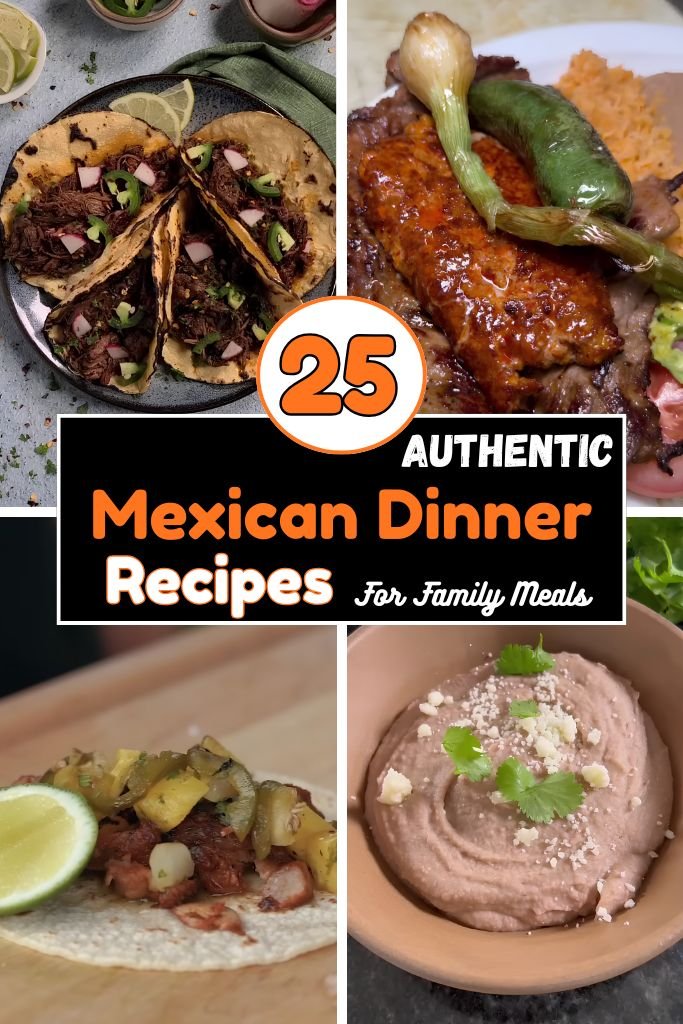
What Makes Mexican Food Truly Authentic?
Authentic Mexican dinner recipes are rooted in technique, tradition, and time-tested ingredients. Here is what sets them apart:
1. Traditional ingredients take center stage. Corn, black beans, pinto beans, and dried chili peppers like ancho, guajillo, and pasilla are the foundation of most authentic dishes. Fresh herbs like epazote, cilantro, and Mexican oregano add depth that you cannot replace with dried substitutes from a regular grocery shelf.
2. Regional cooking styles shape every recipe. Mexico is not one cuisine — it is dozens. Oaxaca is known for its complex mole sauces and tlayudas. Puebla gave the world chiles rellenos and mole poblano. The Yucatán Peninsula uses achiote paste, citrus marinades, and slow pit-roasting techniques that reflect Mayan culinary heritage. Each region has its own identity, and that variety is what makes authentic Mexican cooking so rich.
3. Cooking techniques matter just as much as ingredients. Slow cooking breaks down tough cuts of meat into tender, flavorful bites. Dry-roasting tomatoes, garlic, and chili peppers on a comal (a flat griddle) deepens their natural sweetness. Grinding dried spices by hand using a molcajete (stone mortar and pestle) releases oils and aromas that a blender simply cannot match. These steps take more time, but the results are completely worth it.
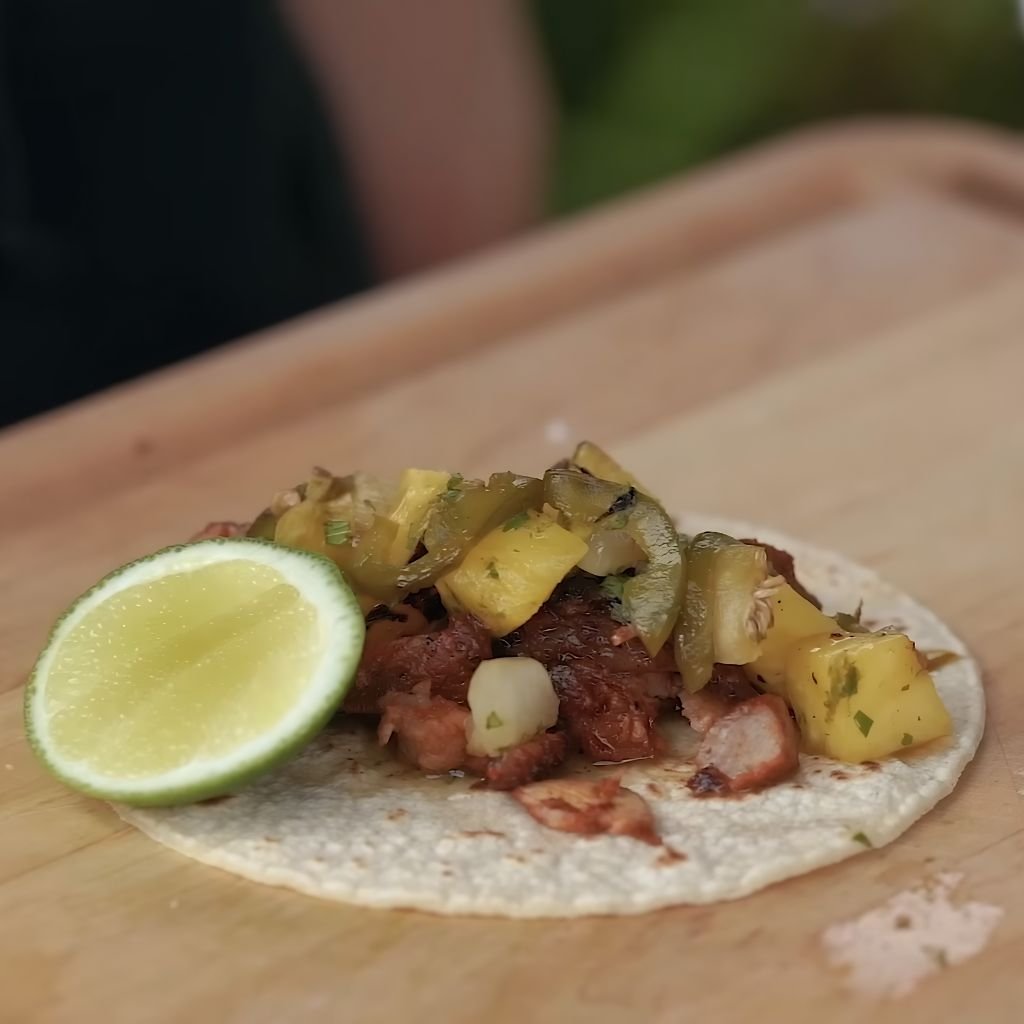
1. Tacos al Pastor
Prep Time: 30 minutes (plus 4 hours marinating) | Cook Time: 25 minutes | Serves: 6
Tacos al Pastor are one of Mexico’s most beloved street foods. The pork is marinated in a smoky, tangy blend of dried chilies and pineapple, then cooked until caramelized and slightly charred. Served on small corn tortillas with raw onion, cilantro, and a squeeze of lime, every bite delivers a perfect balance of savory, sweet, and bright flavor.
Ingredients:
- 2 lbs pork shoulder, sliced thin (about ¼ inch thick)
- 3 dried guajillo chilies, stems and seeds removed
- 2 dried ancho chilies, stems and seeds removed
- ½ cup pineapple juice
- ¼ cup white vinegar
- 3 cloves garlic
- 1 tsp dried Mexican oregano
- 1 tsp ground cumin
- ½ tsp smoked paprika
- ½ tsp black pepper
- 1½ tsp salt
- 1 tbsp achiote paste
- 1 cup fresh pineapple, cut into small chunks
- 18 small corn tortillas
- ½ white onion, finely diced
- 1 cup fresh cilantro, chopped
- 3 limes, cut into wedges
- Salsa verde or red salsa, for serving
Instructions:
Start by preparing the marinade. Place the dried guajillo and ancho chilies in a dry skillet over medium heat. Press them flat with a spatula and toast each side for about 30 seconds per side, just until they become fragrant and slightly darker in color. Be careful not to burn them — burnt chilies will make your marinade taste bitter. Transfer the toasted chilies to a bowl and pour enough boiling water over them to fully submerge. Let them soak for 20 minutes until they are soft and pliable.
Once the chilies are soft, drain the water and place them in a blender. Add the pineapple juice, white vinegar, garlic cloves, Mexican oregano, cumin, smoked paprika, black pepper, salt, and achiote paste. Blend everything together on high speed for about 60 seconds until the mixture is completely smooth. If the sauce seems too thick, add 2 tablespoons of water and blend again. Taste the marinade and adjust salt if needed.
Lay the thin-sliced pork shoulder pieces in a large baking dish or zip-lock bag. Pour the marinade over the pork and use your hands or tongs to make sure every piece is coated thoroughly. Add the fresh pineapple chunks on top. Cover the dish or seal the bag and place it in the refrigerator for at least 4 hours. For deeper flavor, marinate overnight — up to 24 hours works very well.
When you are ready to cook, remove the pork from the refrigerator and let it sit at room temperature for 15 minutes. This helps it cook more evenly. Heat a large cast iron skillet or griddle over high heat until very hot. You want the surface to be almost smoking before you add the meat.
Cook the pork in batches. Do not crowd the pan — if you add too much at once, the meat will steam instead of sear and you will lose that caramelized crust. Lay the slices flat in the hot pan and cook for 3 to 4 minutes per side. You are looking for golden-brown edges with slightly charred spots, which is exactly what gives al pastor its signature taste. While the pork cooks, toss the pineapple chunks into the pan during the last 2 minutes to caramelize them as well.
Transfer the cooked pork to a cutting board and chop it into small, bite-sized pieces using a sharp knife or cleaver. Warm the corn tortillas directly over an open gas flame for about 20 seconds per side, or heat them in a dry skillet until soft and slightly toasted.
To assemble, place two tortillas on a plate (doubling them keeps the taco from breaking). Add a generous portion of the chopped pork, a few caramelized pineapple pieces, a pinch of diced white onion, and a good handful of fresh cilantro. Squeeze a wedge of lime over the top and serve immediately with your choice of salsa. These tacos are best eaten right away while the meat is still hot and juicy.
2. Carne Asada Tacos
Prep Time: 20 minutes (plus 2 hours marinating) | Cook Time: 12 minutes | Serves: 4–6
Carne Asada Tacos bring the open-fire spirit of Mexican grilling right to your kitchen. The beef is marinated in citrus, garlic, and spices, then grilled or seared at high heat until beautifully charred. Chopped and loaded into warm corn tortillas with simple fresh toppings, these tacos are bold, satisfying, and built for sharing.
Ingredients:
- 1½ lbs flank steak or skirt steak
- Juice of 2 limes
- Juice of 1 orange
- 3 cloves garlic, minced
- 2 tbsp soy sauce
- 1 tbsp olive oil
- 1 tsp ground cumin
- 1 tsp chili powder
- ½ tsp smoked paprika
- ½ tsp black pepper
- 1 tsp salt
- 12 small corn tortillas
- ½ white onion, finely chopped
- 1 cup fresh cilantro, chopped
- 2 limes, cut into wedges
- Salsa of choice, for serving
- Optional: sliced avocado or guacamole
Instructions:
Begin by preparing the steak. If you are using flank steak, use a sharp knife to score the surface lightly in a crosshatch pattern — this helps the marinade penetrate deeper into the meat and also tenderizes it slightly. If using skirt steak, skip this step as skirt steak already has a looser grain that absorbs marinade easily.
In a medium bowl, combine the lime juice, orange juice, minced garlic, soy sauce, olive oil, cumin, chili powder, smoked paprika, black pepper, and salt. Whisk everything together until well mixed. The citrus in this marinade does double duty — it adds bright, tangy flavor while also helping to break down the muscle fibers in the beef, resulting in a more tender bite.
Place the steak in a shallow dish or large resealable bag. Pour the marinade over the meat and use your hands to rub it in on all sides. Seal tightly and refrigerate for at least 2 hours. If time allows, marinate for 4 to 6 hours for the best flavor. Do not go longer than 8 hours with citrus-based marinades, as the acid will begin to break down the meat texture too much, making it mushy.
Remove the steak from the refrigerator 20 minutes before cooking and let it come to room temperature. This is an important step — cooking cold meat directly from the fridge results in uneven cooking with an overdone exterior and cool center.
Heat a cast iron grill pan or outdoor grill to very high heat. Brush the grates or pan surface lightly with oil to prevent sticking. Remove the steak from the marinade, letting any excess drip off. Discard the remaining marinade — never reuse it on cooked food.
Place the steak on the hot grill and cook without moving it for 4 to 5 minutes per side for medium doneness, or 3 to 4 minutes per side if you prefer medium-rare. You want to develop a deep, charred crust on both sides. Resist the urge to press down on the steak or move it around — let the heat do the work.
Once cooked to your liking, remove the steak from the heat and transfer it to a cutting board. Tent it loosely with foil and let it rest for 5 to 7 minutes. Resting is essential — it allows the juices inside the meat to redistribute so they do not all pour out when you cut it.
After resting, slice the steak against the grain into thin strips, then roughly chop those strips into small, taco-sized pieces. Cutting against the grain shortens the muscle fibers, which makes each bite significantly more tender.
Warm your corn tortillas in a dry skillet over medium heat, about 30 to 45 seconds per side, until warm and pliable with a few lightly toasted spots. Serve two tortillas per taco for structure. Fill each with a good portion of carne asada, top with diced white onion and fresh cilantro, and serve with lime wedges and salsa on the side. Add sliced avocado or a spoonful of guacamole for extra richness.
3. Fish Tacos (Baja Style)
Prep Time: 20 minutes | Cook Time: 15 minutes | Serves: 4
Baja-style fish tacos come from the coastal region of Baja California, where fresh seafood meets simple, bright toppings. Lightly battered white fish is fried until golden and crispy, then tucked into warm corn tortillas with shredded cabbage, a tangy crema, and a squeeze of fresh lime. The contrast of crispy fish against cool, crunchy cabbage is what makes these tacos so refreshing and addictive.
Ingredients:
For the fish:
- 1 lb white fish fillets (cod, tilapia, or mahi-mahi), cut into strips
- 1 cup all-purpose flour, divided
- 1 tsp baking powder
- ½ tsp garlic powder
- ½ tsp cumin
- ½ tsp salt
- ½ tsp black pepper
- ¾ cup cold beer (light lager) or cold sparkling water
- Oil for frying (vegetable or canola)
For the crema sauce:
- ½ cup Mexican crema or sour cream
- 2 tbsp mayonnaise
- Juice of 1 lime
- ½ tsp garlic powder
- Salt to taste
For serving:
- 12 small corn tortillas
- 2 cups green cabbage, thinly shredded
- 1 cup red cabbage, thinly shredded
- 2 limes, cut into wedges
- Fresh cilantro
- Hot sauce or pico de gallo
Instructions:
Make the crema sauce first so the flavors have time to come together. In a small bowl, whisk together the Mexican crema, mayonnaise, lime juice, garlic powder, and a pinch of salt. Taste and adjust with more lime or salt as needed. Cover and refrigerate while you prepare everything else. This sauce keeps well for up to 3 days in the refrigerator.
Toss the shredded green and red cabbage together in a bowl. You can squeeze a little lime juice over the cabbage and add a pinch of salt for a very light pickling effect that adds great texture and flavor. Set aside.
Now prepare the batter. In a large mixing bowl, whisk together ¾ cup of the flour, the baking powder, garlic powder, cumin, salt, and black pepper. Make a well in the center and pour in the cold beer or sparkling water. Whisk gently until just combined — a few small lumps are fine. Do not overmix, as this develops gluten and makes the batter tough. The batter should be the consistency of thin pancake batter. Keep it cold; cold batter produces a crispier result when it hits hot oil.
Place the remaining ¼ cup of flour in a shallow dish. Pat the fish strips dry with paper towels — removing moisture is key to getting a crunchy coating that sticks properly. Season the fish lightly with salt and pepper. Dredge each strip in the plain flour first, shaking off any excess, then dip it into the beer batter, letting any extra drip back into the bowl.
Pour about 2 inches of oil into a heavy-bottomed pot or deep skillet. Heat over medium-high heat until the oil reaches 375°F (190°C). Use a thermometer if possible — oil that is too cool makes greasy, soggy fish, and oil that is too hot burns the batter before the fish cooks through.
Working in small batches, carefully lower the battered fish strips into the hot oil using tongs. Do not crowd the pot. Fry for 3 to 4 minutes, turning once or twice, until the batter is deep golden brown and crispy. Remove with a slotted spoon and drain on a wire rack set over a baking sheet. A wire rack keeps the fish crispy underneath — a paper towel will trap steam and make the bottom soggy. Season with a pinch of salt while still hot.
Warm the corn tortillas in a dry skillet until pliable. To assemble, place one or two pieces of fried fish in each tortilla, top with the mixed cabbage, drizzle generously with the crema sauce, add fresh cilantro, and squeeze a wedge of lime over the top. Serve immediately while the fish is still hot and crispy.
4. Chicken Tinga Tacos
Prep Time: 15 minutes | Cook Time: 35 minutes | Serves: 4–6
Chicken Tinga is a saucy, smoky shredded chicken dish from Puebla, Mexico. The chicken is simmered in a rich tomato and chipotle sauce that clings to every strand of meat. Spoon it into corn tortillas and top with sliced avocado, crumbled queso fresco, and a dollop of crema for a deeply satisfying taco that comes together faster than most.
Ingredients:
- 1½ lbs boneless, skinless chicken breasts or thighs
- 3 Roma tomatoes, quartered
- ½ white onion, halved
- 3 cloves garlic, unpeeled
- 2 to 3 chipotle peppers in adobo sauce, plus 1 tbsp of the adobo sauce
- 1 tsp dried Mexican oregano
- ½ tsp ground cumin
- 1 tsp salt, plus more to taste
- 1 tbsp olive oil
- 12 small corn tortillas
- 1 avocado, sliced
- ½ cup crumbled queso fresco
- ¼ cup Mexican crema
- Fresh cilantro for garnish
- Lime wedges for serving
Instructions:
Begin by cooking the chicken. Place the chicken pieces in a medium pot and cover with cold water by about an inch. Add a pinch of salt, half a white onion, and one garlic clove. Bring to a boil over high heat, then reduce the heat to medium-low. Simmer the chicken for about 20 to 25 minutes, until it is fully cooked through and no longer pink inside. Remove the chicken and set it on a plate to cool slightly. Reserve about ½ cup of the cooking broth — you will use it to adjust the sauce consistency later. Once cool enough to handle, use two forks to shred the chicken into thin, rough pieces. Try to shred rather than chop so the chicken absorbs the sauce better.
While the chicken cooks, prepare the salsa base. Heat a dry comal or heavy skillet over high heat until very hot. Place the tomato quarters, remaining onion half, and the unpeeled garlic cloves directly on the hot surface. Char them for 5 to 7 minutes, turning occasionally, until they develop dark blistered spots on the outside. The tomatoes should be soft and juicy, the onion slightly translucent at the edges, and the garlic skins darkened. This charring step adds a subtle smokiness that makes the tinga sauce extra complex.
Peel the charred garlic cloves and transfer them, along with the charred tomatoes and onion, into a blender. Add the chipotle peppers, the tablespoon of adobo sauce, Mexican oregano, cumin, and salt. Blend on high for about 45 seconds until smooth.
Heat the olive oil in a large, deep skillet over medium-high heat. Pour the blended sauce into the hot skillet — it will sizzle loudly. Let the sauce cook and reduce for about 5 minutes, stirring occasionally, until it thickens slightly and deepens in color. Taste the sauce and adjust salt or add more chipotle if you want it spicier.
Add the shredded chicken to the pan and stir well to coat every piece in the sauce. If the mixture looks too thick or dry, add a splash of the reserved cooking broth, a few tablespoons at a time, until it reaches a saucy, moist consistency. Let the chicken simmer in the sauce for another 5 minutes so it fully absorbs all the flavors.
Warm the corn tortillas over an open flame or in a dry skillet. Spoon a generous heap of chicken tinga onto each tortilla, then top with sliced avocado, crumbled queso fresco, a drizzle of crema, and a few cilantro leaves. Serve right away with lime wedges on the side.
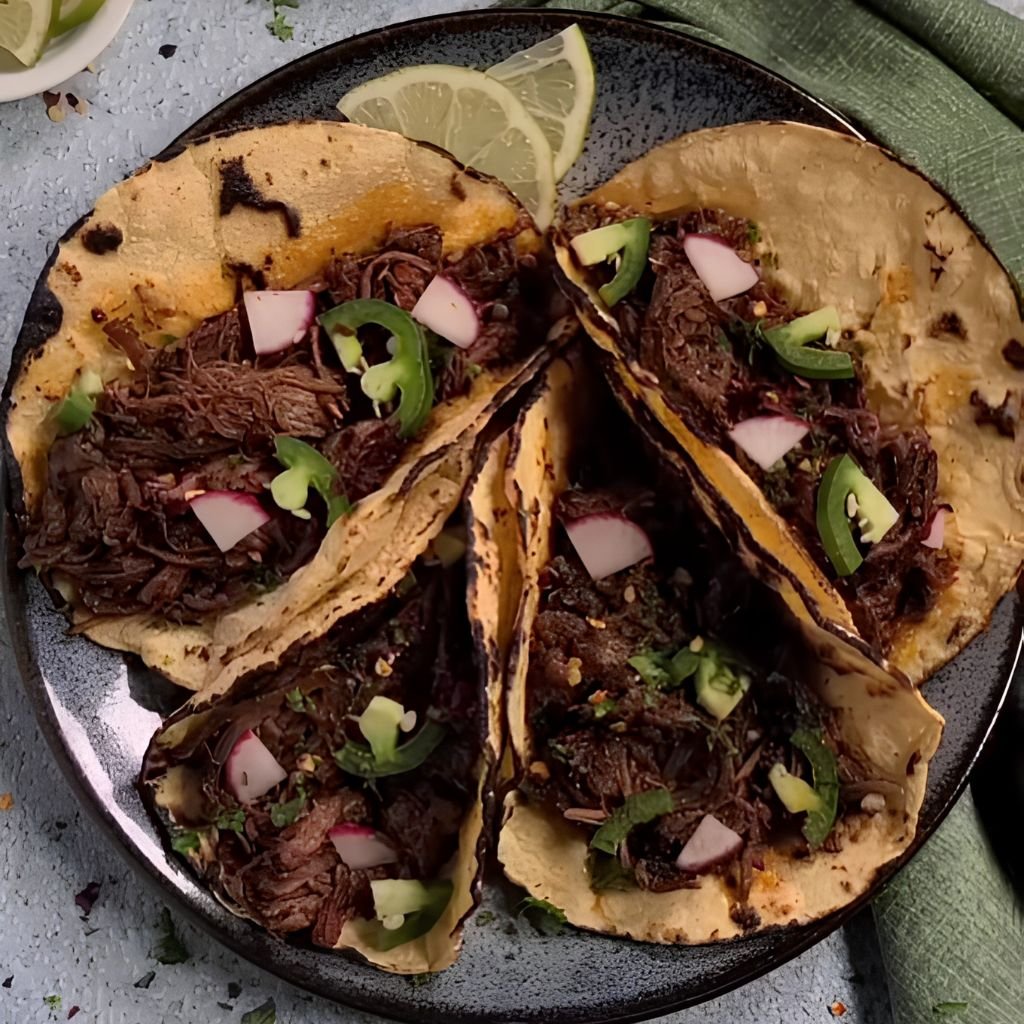
5. Barbacoa Tacos
Prep Time: 20 minutes | Cook Time: 3.5 hours | Serves: 6–8
Barbacoa is slow-cooked beef that is so tender it falls apart with the lightest touch. Traditionally made in a pit, this home version uses the oven or slow cooker to achieve that same deeply smoky, spiced flavor. Pile the juicy, shredded beef into corn tortillas with diced onion and fresh cilantro for a taco that is hard to stop eating.
Ingredients:
- 3 lbs beef chuck roast, cut into 3-inch chunks
- 4 dried ancho chilies, stems and seeds removed
- 3 dried guajillo chilies, stems and seeds removed
- 4 cloves garlic
- ½ white onion, roughly chopped
- 2 chipotle peppers in adobo sauce
- ¼ cup apple cider vinegar
- 1 cup beef broth
- 1 tsp ground cumin
- 1 tsp dried oregano
- ½ tsp ground cloves
- ½ tsp black pepper
- 1½ tsp salt
- 2 bay leaves
- 2 tbsp oil
- 18 small corn tortillas
- ½ white onion, finely diced (for serving)
- 1 cup cilantro, chopped (for serving)
- Lime wedges and salsa for serving
Instructions:
Start by toasting and rehydrating the dried chilies. Heat a dry skillet over medium heat. Press the ancho and guajillo chilies flat against the surface and toast each side for about 30 seconds until fragrant, being careful not to burn them. Transfer the toasted chilies to a heatproof bowl and pour boiling water over them. Let them soak for 20 to 25 minutes until completely soft and pliable.
While the chilies soak, prepare the beef. Pat the chuck roast chunks dry with paper towels and season all sides generously with salt and pepper. Heat the oil in a large Dutch oven or heavy oven-safe pot over high heat. Working in batches so you do not crowd the pan, sear the beef chunks for 3 to 4 minutes per side until each surface has a deep brown crust. This searing step is not just for looks — the browned crust creates a rich, savory foundation for the entire dish through a process called the Maillard reaction. Remove the seared beef and set aside.
Drain the soaked chilies and place them in a blender along with the garlic cloves, chopped onion, chipotle peppers, apple cider vinegar, beef broth, cumin, oregano, ground cloves, black pepper, and 1 teaspoon of salt. Blend on high speed until the sauce is completely smooth, about 60 to 90 seconds. If the sauce is too thick to blend easily, add a splash of water and blend again.
Return the seared beef to the Dutch oven and pour the blended chili sauce over the top. Tuck in the bay leaves. The beef should be mostly covered by the sauce; if not, add a little more broth. Cover the pot tightly with a lid.
Place the pot in a preheated oven at 325°F (165°C) and cook for 3 to 3.5 hours, until the beef is completely fall-apart tender. Check on it once or twice during cooking — if the liquid level drops too low, add ¼ cup of broth to prevent it from drying out. Alternatively, you can cook this in a slow cooker on low heat for 8 hours.
Once cooked, remove the beef from the pot and use two forks to shred it into thin, juicy strands. Remove and discard the bay leaves from the remaining liquid. Return the shredded beef back to the pot and stir it into the sauce. Taste and adjust salt as needed.
Warm the corn tortillas in a dry skillet or over an open flame. Spoon a generous amount of barbacoa onto each tortilla, top with finely diced white onion and fresh cilantro, and serve immediately with lime wedges and your favorite salsa.
6. Chicken Enchiladas
Prep Time: 30 minutes | Cook Time: 30 minutes | Serves: 4–6
Chicken Enchiladas are one of the most comforting dishes in Mexican cooking. Corn tortillas are filled with tender shredded chicken, rolled up, and baked in a smooth, flavorful red chili sauce before being topped with melted cheese. The tortillas soften in the oven as they soak up the sauce, creating a dish that is hearty, warming, and packed with authentic flavor.
Ingredients:
For the enchilada sauce:
- 4 dried guajillo chilies, stems and seeds removed
- 2 dried ancho chilies, stems and seeds removed
- 3 Roma tomatoes, halved
- 3 cloves garlic
- ¼ white onion
- 1 tsp cumin
- ½ tsp dried oregano
- 1 cup chicken broth
- 1 tsp salt
For the filling:
- 2 cups cooked, shredded chicken (rotisserie works well)
- ½ cup white onion, finely diced
- Salt and pepper to taste
For assembly:
- 12 corn tortillas
- 2 cups shredded Oaxacan cheese or Monterey Jack
- 2 tbsp oil (for dipping tortillas)
- Fresh cilantro, sour cream, and sliced onion for garnish
Instructions:
Begin with the enchilada sauce. Toast the dried guajillo and ancho chilies in a dry skillet over medium heat, pressing them flat for about 30 seconds per side until fragrant. Transfer to a bowl and soak in boiling water for 20 minutes until soft. Meanwhile, on the same skillet over high heat, char the Roma tomato halves cut-side down, along with the garlic cloves and onion quarter, until they develop dark spots and become soft, about 5 to 7 minutes.
Drain the soaked chilies and transfer them to a blender along with the charred tomatoes, garlic, and onion. Add the cumin, oregano, chicken broth, and salt. Blend on high speed for about 60 seconds until the sauce is very smooth. If you want an extra-smooth sauce, strain it through a fine mesh sieve, pressing with a spoon to push everything through. This step is optional but gives the sauce a silky texture.
Heat a tablespoon of oil in a saucepan over medium heat. Pour the blended sauce into the hot pan — it will bubble and splatter slightly. Stir and cook the sauce for 5 minutes, letting it reduce and deepen in flavor. Taste and adjust salt. Keep the sauce warm and set aside.
Mix the shredded chicken with the diced onion and season with a little salt and pepper. Set aside.
Preheat your oven to 375°F (190°C). Now prepare the tortillas. Pour about 2 tablespoons of oil into a small skillet and heat over medium heat. Dip each corn tortilla into the warm oil for about 5 seconds per side — just enough to soften it and prevent it from cracking when rolled. Then dip the softened tortilla briefly into the enchilada sauce, coating both sides. Lay it flat on a plate, add 2 to 3 tablespoons of the chicken filling down the center, and roll it up tightly. Place it seam-side down in a lightly oiled baking dish. Repeat until all tortillas are filled and arranged snugly side by side in the dish.
Pour the remaining enchilada sauce generously over the top of all the rolled tortillas, spreading it evenly so every inch is covered. Sprinkle the shredded cheese evenly across the entire surface. Cover the dish loosely with aluminum foil and bake for 20 minutes, then remove the foil and bake for another 10 minutes until the cheese is fully melted, bubbly, and lightly golden at the edges.
Remove from the oven and let rest for 5 minutes before serving. Garnish with fresh cilantro, a drizzle of sour cream, and thinly sliced white onion.
7. Beef Enchiladas with Red Sauce
Prep Time: 30 minutes | Cook Time: 35 minutes | Serves: 4–6
These Beef Enchiladas are a crowd-pleasing classic with deep, savory flavor. Seasoned ground beef is rolled into corn tortillas and smothered in a rich, homemade red sauce that bubbles beautifully in the oven. Every layer — from the spiced meat to the silky sauce to the melted cheese on top — works together to create something truly satisfying.
Ingredients:
For the red sauce:
- 5 dried guajillo chilies, stems and seeds removed
- 2 dried pasilla chilies, stems and seeds removed
- 4 cloves garlic
- ½ white onion, roughly chopped
- 1 tsp cumin
- ½ tsp dried oregano
- 1½ cups beef broth
- 1 tsp salt
For the filling:
- 1 lb ground beef (80/20)
- ½ white onion, finely diced
- 3 cloves garlic, minced
- 1 tsp chili powder
- 1 tsp cumin
- ½ tsp smoked paprika
- Salt and pepper to taste
For assembly:
- 12 corn tortillas
- 2 cups shredded Mexican blend cheese
- Oil for dipping tortillas
- Sliced jalapeños, cilantro, and sour cream for garnish
Instructions:
Prepare the red sauce first. Toast the guajillo and pasilla chilies in a dry skillet over medium heat, about 30 seconds per side, until they smell earthy and fragrant. Soak them in boiling water for 20 minutes until soft. On the same skillet, dry-roast the garlic cloves and onion over high heat, turning occasionally, until they develop charred edges and begin to soften, about 6 minutes.
Drain the chilies and blend them with the roasted garlic, onion, cumin, oregano, beef broth, and salt. Blend on high until smooth, then strain the sauce through a fine sieve for a cleaner texture. Heat a tablespoon of oil in a saucepan and cook the strained sauce over medium heat for 5 to 6 minutes until slightly thickened. Adjust seasoning and keep warm.
For the beef filling, heat a skillet over medium-high heat and add a drizzle of oil. Add the diced onion and cook for 3 minutes until softened. Add the minced garlic and cook for another minute. Add the ground beef, breaking it apart with a wooden spoon. Cook until fully browned, about 7 to 8 minutes. Drain any excess fat. Season with chili powder, cumin, smoked paprika, salt, and pepper. Stir well and cook for 2 more minutes so the spices bloom into the meat. Remove from heat.
Preheat your oven to 375°F (190°C). Lightly coat a 9×13-inch baking dish with a thin layer of red sauce on the bottom — this prevents the tortillas from sticking and adds flavor to the base. Warm the corn tortillas by dipping each into a lightly oiled hot skillet for 5 seconds per side to make them pliable. Then dip each tortilla into the red sauce on both sides, fill the center with about 2 tablespoons of seasoned beef, and roll tightly. Place seam-side down in the prepared baking dish.
Once all the enchiladas are in the dish, pour the remaining red sauce over the top, covering every tortilla evenly. Sprinkle the shredded cheese over everything in an even layer. Cover with foil and bake for 20 minutes. Uncover and bake for another 10 to 12 minutes until the cheese is golden and bubbling.
Let cool for a few minutes before serving. Garnish generously with sliced jalapeños, fresh cilantro, and a swirl of sour cream.
8. Chiles Rellenos
Prep Time: 25 minutes | Cook Time: 30 minutes | Serves: 4
Chiles Rellenos are one of Mexico’s most iconic dishes — poblano peppers roasted until their skin blisters, stuffed with melted cheese, coated in a fluffy egg batter, and fried until golden. The result is a dish with smoky depth, gooey filling, and a light, cloud-like exterior. Served with a warm tomato sauce, these peppers are absolute comfort food at its finest.
Ingredients:
- 4 large poblano peppers
- 2 cups Oaxacan cheese or Monterey Jack, cut into long strips
- 3 large eggs, separated
- ¼ cup all-purpose flour
- ½ tsp salt
- Oil for frying
For the tomato sauce:
- 3 Roma tomatoes, roughly chopped
- ¼ onion
- 2 cloves garlic
- ½ cup chicken broth
- Salt and pepper to taste
- 1 tbsp oil
Instructions:
Start by roasting the poblano peppers. Place them directly over a gas burner on high heat, turning with tongs every 60 to 90 seconds, until the skin is blackened and blistered all over — this takes about 6 to 8 minutes per pepper. You can also do this under a broiler set to high, placing the peppers about 4 inches from the heating element and turning them every few minutes. The goal is completely charred, loose skin all around.
Transfer the charred peppers immediately to a large bowl and cover tightly with plastic wrap or a kitchen towel. Let them steam in their own heat for 15 minutes — this loosens the skin and makes it much easier to peel. After steaming, carefully peel away and discard the blackened skin using your fingers or a paper towel. Do not rinse the peppers under water, as this washes away the smoky flavor you just developed.
Using a small paring knife, make a single long cut down the side of each peeled pepper, being careful not to cut all the way through or remove the stem. Gently open the pepper and use your fingers or a small spoon to carefully remove the seeds and inner membrane, leaving the pepper intact as much as possible. Removing the seeds reduces the heat level while keeping the deep, smoky flavor.
Stuff each pepper generously with the cheese strips. The cheese should fill the pepper fully but still allow it to close around the filling. If needed, secure the opening with a toothpick.
Make the egg batter next. In a clean bowl, use an electric mixer or a whisk to beat the egg whites with the salt until they form stiff, glossy peaks — this takes about 3 to 4 minutes with a mixer. The peaks should hold their shape firmly when you lift the whisk. In a separate bowl, whisk the egg yolks briefly until smooth, then fold the yolks gently into the beaten whites using a rubber spatula. Use wide, sweeping folds to preserve as much air as possible. The batter should be light and fluffy.
Place the flour in a shallow dish. Roll each stuffed pepper in the flour, coating all sides and shaking off any excess. The flour helps the egg batter cling to the slippery pepper surface.
Pour about 1 to 1.5 inches of oil into a wide, deep skillet and heat over medium-high heat to 350°F (175°C). Dip each floured pepper into the egg batter, using a spoon to help coat every surface evenly. Lower the coated pepper gently into the hot oil and fry for 3 to 4 minutes per side until the batter is puffed, golden, and cooked through. Work in batches of two to keep the oil temperature stable. Remove and drain on a wire rack.
For the tomato sauce, blend the tomatoes, onion, and garlic with the chicken broth until smooth. Heat oil in a small saucepan, pour in the blended sauce, and simmer for 8 minutes with salt and pepper to taste.
Serve the chiles rellenos on a plate with the warm tomato sauce poured around or over them.
9. Mexican Picadillo
Prep Time: 15 minutes | Cook Time: 30 minutes | Serves: 4
Picadillo is a warm, humble dish that feels like a big hug on a plate. Ground beef is cooked with tomatoes, potatoes, carrots, and a handful of spices to create a thick, savory stew that works on its own, inside tacos, or alongside Mexican rice and beans. The combination of sweet vegetables and well-seasoned meat makes this dish a staple in Mexican homes across the country.
Ingredients:
- 1 lb ground beef
- 2 Roma tomatoes, finely diced
- ½ white onion, finely diced
- 3 cloves garlic, minced
- 2 medium potatoes, peeled and diced into small cubes
- 1 large carrot, peeled and diced small
- 1 jalapeño, seeded and minced
- 2 tbsp tomato paste
- ½ cup beef broth or water
- 1 tsp cumin
- ½ tsp chili powder
- 1 tsp salt
- ½ tsp black pepper
- 1 tbsp oil
- Fresh cilantro for garnish
Instructions:
Start by prepping all your vegetables before turning on the heat — this recipe moves quickly once you start cooking and you want everything ready to go. Dice the potatoes into very small, even cubes, about ½ inch, so they cook through in time. Do the same with the carrot. Small, uniform cuts ensure everything finishes cooking at the same rate without any pieces being underdone.
Heat the oil in a large, wide skillet over medium-high heat. Add the diced onion and cook, stirring occasionally, for 3 to 4 minutes until it softens and starts to turn golden at the edges. Add the minced garlic and jalapeño and cook for another minute, stirring constantly so the garlic does not burn. The aroma at this point should be rich and garlicky.
Add the ground beef to the pan. Break it apart into small crumbles using a wooden spoon or spatula. Cook over medium-high heat for about 6 to 8 minutes, stirring and breaking up any large chunks, until the beef is fully browned with no pink remaining. Drain excess fat by tilting the pan and spooning it off or using a paper towel to absorb it — too much grease will make the final dish heavy.
Add the tomato paste and stir it into the beef mixture, cooking for 1 to 2 minutes until it darkens slightly and loses its raw smell. This step adds a richer tomato base without making the dish too liquid. Now add the diced Roma tomatoes and stir everything together. Cook for 3 minutes, letting the tomatoes begin to break down and release their juices.
Add the cubed potatoes and diced carrot, along with the cumin, chili powder, salt, and black pepper. Pour in the beef broth or water and stir well to combine. Reduce the heat to medium-low, cover the pan, and let everything simmer together for 15 to 18 minutes, stirring every 5 minutes or so. The potatoes should be fork-tender and the carrots should be fully cooked through. Remove the lid for the last 3 minutes to allow any excess liquid to reduce and the mixture to thicken slightly.
Taste the picadillo and adjust the seasoning with more salt or a pinch of chili powder if needed. Garnish with fresh cilantro and serve hot with Mexican rice, refried beans, and warm tortillas, or use it as a filling for tacos or empanadas.
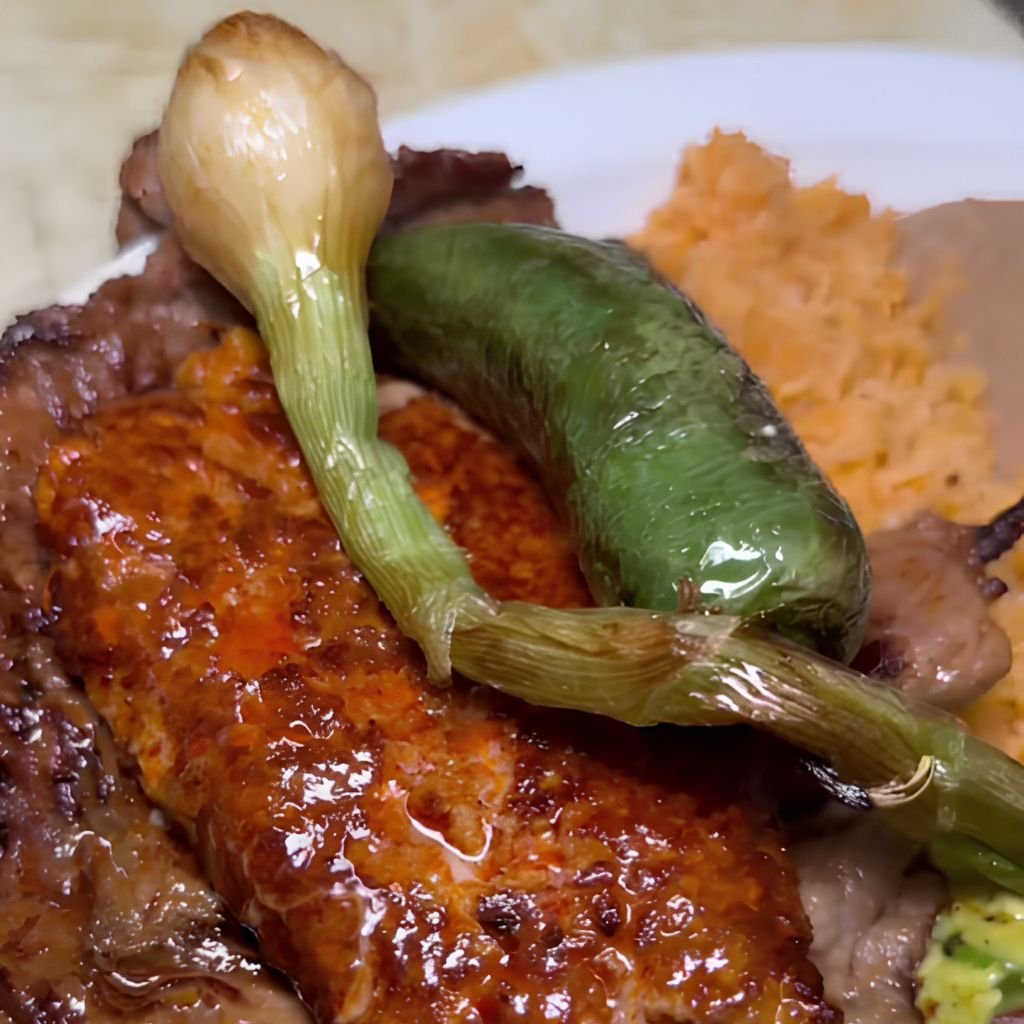
10. Carne Asada Plate
Prep Time: 15 minutes (plus 2 hours marinating) | Cook Time: 15 minutes | Serves: 4
A Carne Asada Plate turns grilled, citrus-marinated beef into a full Mexican dinner spread. Sliced steak is served alongside Mexican rice, refried beans, warm tortillas, and fresh toppings. Simple to put together but deeply flavorful, this plate-style meal is how many Mexican families enjoy carne asada at home — not just in a taco, but as a proper sit-down dinner.
Ingredients:
- 1½ lbs skirt steak or flank steak
- Juice of 2 limes
- Juice of 1 orange
- 3 cloves garlic, minced
- 1 tbsp soy sauce
- 1 tsp cumin
- 1 tsp chili powder
- 1 tsp salt
- ½ tsp black pepper
- 1 tbsp olive oil
- 1 cup guacamole (homemade or store-bought)
- 1 cup pico de gallo
- Warm corn or flour tortillas for serving
- 2 cups cooked Mexican rice (recipe below)
- 1½ cups cooked refried beans (recipe below)
- Fresh cilantro and lime wedges for garnish
Instructions:
Combine the lime juice, orange juice, minced garlic, soy sauce, cumin, chili powder, salt, black pepper, and olive oil in a bowl. Whisk until well blended. Score the steak lightly on both sides with a sharp knife to help the marinade absorb into the meat. Place the steak in a shallow dish or zip-lock bag and pour the marinade over it, ensuring every part of the meat is coated. Seal and refrigerate for at least 2 hours, or up to 6 hours for more intense flavor.
Remove the steak from the refrigerator 20 minutes before cooking and let it sit at room temperature so it cooks evenly. Heat a grill pan, cast iron skillet, or outdoor grill to very high heat. Remove the steak from the marinade and shake off excess — never pour marinade over the cooking steak. Place the steak on the hot grill surface and cook without moving for 4 to 5 minutes per side for medium doneness. You want a deeply charred, slightly crispy crust to form on both sides.
Transfer the steak to a cutting board and cover loosely with foil. Rest for 6 to 8 minutes — this step is non-negotiable for keeping the steak juicy. After resting, slice the steak thinly against the grain for maximum tenderness. Fan the slices out on a large plate or wooden board.
To serve in the traditional plate style, place a generous serving of sliced carne asada on one side of the plate. Spoon a portion of Mexican rice and refried beans alongside the meat. Add a generous scoop of guacamole, a spoonful of pico de gallo, and serve with warm tortillas on the side. Finish with fresh cilantro scattered over the meat and a wedge of lime for squeezing. Every component on the plate works together — the rich beef, the savory beans, the fluffy rice, and the fresh brightness of the salsa and guacamole.
11. Pozole Rojo
Prep Time: 30 minutes | Cook Time: 2.5 hours | Serves: 6–8
Pozole Rojo is a rich, red pork and hominy soup that has been part of Mexican cooking for centuries. The broth is deep, smoky, and slightly spicy from dried red chilies, and the hominy adds a satisfying, chewy texture unlike anything else. Served with a spread of fresh toppings, pozole is the kind of meal that warms you all the way through — perfect for weekends or celebrations.
Ingredients:
- 2 lbs pork shoulder, cut into 2-inch chunks
- 1 lb pork neck bones (for flavor)
- 2 cans (15 oz each) hominy, drained
- 5 dried guajillo chilies, stems and seeds removed
- 2 dried ancho chilies, stems and seeds removed
- 4 cloves garlic, divided
- ½ white onion
- 1 tsp dried oregano
- 1 tsp cumin
- 1½ tsp salt, plus more to taste
- 2 bay leaves
- 8 cups water or chicken broth
For toppings:
- Shredded green cabbage
- Thinly sliced radishes
- Diced white onion
- Dried oregano
- Crushed tostadas or tortilla chips
- Fresh lime wedges
- Sliced jalapeños
Instructions:
Place the pork shoulder chunks and neck bones in a large pot. Add 8 cups of water or broth, half the onion, 2 cloves of garlic, the bay leaves, and 1 teaspoon of salt. Bring to a boil over high heat, skimming off any gray foam that rises to the surface during the first 10 minutes of cooking. This foam is simply proteins from the meat and removing it keeps the broth clean and clear. Once skimmed, reduce the heat to medium-low, cover the pot, and simmer for 1.5 to 2 hours, until the pork is very tender and nearly falling off the bones.
While the pork cooks, prepare the red chili sauce. Toast the guajillo and ancho chilies in a dry skillet over medium heat, pressing them flat for 30 seconds per side until aromatic. Transfer to a bowl and cover with boiling water. Soak for 20 minutes until soft. Drain the chilies and place them in a blender along with the remaining 2 cloves of garlic, the oregano, cumin, ½ cup of the pork broth from the pot, and a pinch of salt. Blend on high speed for about 60 seconds until completely smooth. Strain the sauce through a fine sieve to remove any remaining chili skins and achieve a silky consistency.
When the pork is done, remove it from the broth using tongs or a slotted spoon. Discard the neck bones and bay leaves. Shred the pork shoulder pieces using two forks — it should pull apart very easily at this point. Return the shredded pork to the pot.
Heat a tablespoon of oil in a small pan and cook the strained chili sauce for 3 to 4 minutes, stirring constantly, to deepen its flavor. Pour the cooked chili sauce into the soup pot with the pork and broth. Stir well to combine. Add the drained hominy to the pot and bring everything back to a simmer. Cook for another 20 to 30 minutes, allowing the hominy to absorb some of the red chili broth and the flavors to fully meld together. Taste the pozole and adjust the salt level generously — this soup needs proper seasoning to taste its best.
Ladle the hot pozole into deep bowls and set out the toppings in small dishes so everyone can customize their own bowl. Each topping adds something different — the cabbage adds crunch, the radishes add a peppery bite, the lime brightens everything up, and the crushed tostadas add a satisfying crispiness against the rich, steaming broth.
12. Menudo
Prep Time: 30 minutes | Cook Time: 4 hours | Serves: 6–8
Menudo is one of Mexico’s most traditional soups — slow-cooked beef tripe in a rich, deeply flavored red broth with hominy. Known as a classic weekend dish and celebrated as a remedy after late nights, menudo takes patience but rewards with a broth so bold and comforting it is unlike anything else. Serve it with corn tortillas, diced onion, lime, and dried oregano.
Ingredients:
- 2 lbs beef honeycomb tripe, cut into 2-inch pieces
- 1 lb beef feet (optional, adds richness and gelatin)
- 2 cans (15 oz each) hominy, drained
- 5 dried guajillo chilies, stems and seeds removed
- 2 dried ancho chilies, stems and seeds removed
- 1 dried chile de árbol (for heat)
- 4 cloves garlic
- ½ white onion
- 1 tsp dried oregano
- 1 tsp cumin
- 2 tsp salt, plus more to taste
- 2 bay leaves
- 8 to 10 cups water
For serving:
- Diced white onion
- Fresh lime wedges
- Dried oregano
- Crushed red pepper flakes
- Warm corn tortillas
Instructions:
Menudo begins with properly cleaning the tripe. Place the tripe pieces in a large bowl and cover with cold water and the juice of 1 lime. Let it soak for 30 minutes, then rinse thoroughly under cold running water. This soaking step removes any residual odor and prepares the tripe for long cooking. Some cooks repeat this process two to three times for the cleanest results.
Place the cleaned tripe and beef feet (if using) in a large pot. Cover with water by several inches and bring to a boil over high heat. Let it boil for 10 minutes, then drain completely and rinse the tripe again under cold water. This blanching step further cleans the tripe and removes impurities that would cloud the final broth. Return the blanched tripe and beef feet to the pot with 8 to 10 cups of fresh water. Add half the onion, 2 garlic cloves, the bay leaves, and 1 teaspoon of salt. Bring to a boil, then reduce to a gentle simmer. Cook covered for 2.5 to 3 hours until the tripe is completely tender and soft when pressed with a fork. Tripe can take longer than expected — check every 30 minutes and add more water if the level drops too low.
While the tripe cooks, prepare the chili base. Toast the guajillo, ancho, and chile de árbol in a dry skillet over medium heat until fragrant, about 30 seconds per side. Soak in boiling water for 20 minutes. Drain and blend with the remaining garlic, oregano, cumin, and 1 cup of the hot tripe broth from the pot. Blend until completely smooth, then strain through a fine sieve.
When the tripe is tender, remove and discard the beef feet, bay leaves, and onion. Heat a tablespoon of oil in a small pan, add the strained chili sauce, and cook it for 4 to 5 minutes, stirring frequently, until slightly thickened and darker in color. Pour this sauce into the main pot with the tripe and broth. Add the drained hominy and stir everything together. Adjust salt to taste — menudo needs generous seasoning.
Simmer everything together for another 30 minutes so the hominy absorbs the red broth and all the flavors come together deeply. Ladle into large bowls and serve immediately with the full array of toppings on the table. Squeezing fresh lime over a steaming bowl of menudo and dusting it with dried oregano is part of the experience.
13. Caldo de Pollo
Prep Time: 20 minutes | Cook Time: 1 hour | Serves: 4–6
Caldo de Pollo is Mexican chicken soup at its most pure and honest. A whole chicken or bone-in pieces simmer slowly with vegetables and aromatics until the broth becomes golden, deeply savory, and incredibly comforting. Served with rice, fresh lime, and warm tortillas, it is the kind of soup that feels restorative and nourishing from the very first spoonful.
Ingredients:
- 3 lbs bone-in, skin-on chicken pieces (legs, thighs, or a half chicken)
- 3 large carrots, cut into 1-inch rounds
- 3 stalks celery, cut into 1-inch pieces
- 3 medium potatoes, peeled and quartered
- 1 zucchini, cut into rounds
- 2 ears of corn, each cut into thirds
- 1 whole white onion, halved
- 5 cloves garlic
- 1 bunch fresh cilantro, tied together with kitchen twine
- 2 tsp salt, plus more to taste
- ½ tsp black pepper
- 8 cups water
- Lime wedges, diced onion, and fresh cilantro for serving
- Warm corn tortillas for serving
Instructions:
Place the chicken pieces in a large soup pot and add 8 cups of cold water. Using cold water rather than hot is important — starting the chicken in cold water allows the protein and collagen to release slowly into the broth, creating a richer, more flavorful result than if you start with boiling water. Bring the pot to a boil over high heat.
As the water comes to a boil and for the first 10 to 15 minutes of cooking, skim off the gray foam that accumulates on the surface using a spoon or ladle. This foam contains proteins and impurities from the chicken that, if left in, will make the broth slightly murky and less clean-tasting. Keep skimming until no more foam rises.
Once the broth is clear, add the halved onion, the whole garlic cloves, the cilantro bundle, salt, and black pepper. Reduce the heat to medium-low and simmer, partially covered, for 30 minutes.
After 30 minutes, add the carrots, celery, and potatoes to the pot. Continue simmering for another 15 minutes. Then add the zucchini and corn pieces, cooking for a final 10 to 12 minutes until all the vegetables are completely tender but not falling apart. The corn will become sweet and slightly starchy, adding extra depth to the broth.
Remove the chicken pieces from the pot. Using two forks, shred the meat away from the bones and skin — discard the bones and skin. Return the shredded chicken to the pot. Remove and discard the cilantro bundle and the cooked onion halves. Taste the broth carefully and adjust the salt — this is important, as a properly seasoned broth is the backbone of the whole dish.
Ladle the caldo into deep bowls, making sure each serving has a good mix of chicken, vegetables, and broth. Serve immediately with lime wedges, diced onion, fresh cilantro leaves, and plenty of warm corn tortillas for dipping into the golden broth.
14. Sopa de Tortilla
Prep Time: 20 minutes | Cook Time: 30 minutes | Serves: 4
Sopa de Tortilla — also known as tortilla soup — is a Mexican classic built on a roasted tomato and chili broth that is rich, smoky, and deeply satisfying. Crispy tortilla strips float in the bowl and soften just slightly as they absorb the broth, while toppings of avocado, cheese, and crema make each bowl feel both rustic and indulgent.
Ingredients:
For the soup base:
- 4 Roma tomatoes, halved
- ¼ white onion
- 3 cloves garlic
- 1 dried pasilla or ancho chili, stem and seeds removed
- 1 chipotle pepper in adobo sauce
- 4 cups chicken broth
- 1 tbsp oil
- 1 tsp salt, plus more to taste
- ½ tsp cumin
For the tortilla strips:
- 6 corn tortillas, cut into thin strips
- Oil for frying or baking
- Salt
Toppings:
- 1 avocado, diced or sliced
- ½ cup crumbled queso fresco
- ¼ cup Mexican crema
- Fresh cilantro
- 1 lime, cut into wedges
- Sliced jalapeños (optional)
Instructions:
Start by charring the soup base vegetables. Place the tomato halves cut-side down in a dry, very hot skillet over high heat. Add the onion and unpeeled garlic cloves. Let them char without moving for 4 to 5 minutes until the undersides are darkened and slightly blistered. Flip and char the other sides for another 3 to 4 minutes. The onion should be soft, the garlic should be collapsing inside its skin, and the tomatoes should be juicy and charred on both sides. This charring builds the smoky backbone of the soup.
While the vegetables char, toast the dried pasilla or ancho chili in the same dry skillet alongside them, pressing it flat for 30 seconds per side until fragrant. Let it soak in boiling water for 10 minutes until soft, then drain.
Transfer the charred tomatoes, onion, and peeled garlic to a blender. Add the soaked chili, the chipotle pepper, cumin, and 1 cup of the chicken broth. Blend on high speed until completely smooth, about 60 seconds.
Heat the tablespoon of oil in a medium soup pot over medium-high heat. Pour the blended tomato mixture into the pot — it will sizzle and bubble. Cook the sauce for 5 to 6 minutes, stirring frequently, allowing it to thicken slightly and develop a deeper, more concentrated flavor as it reduces. Add the remaining 3 cups of chicken broth and stir to combine. Season with salt and bring the soup to a gentle simmer. Cook for 15 minutes over low heat, stirring occasionally, until the broth has a rich, complex flavor. Taste and adjust salt.
For the tortilla strips, heat about ½ inch of oil in a small skillet over medium-high heat. Working in small batches, fry the tortilla strips for about 2 minutes until golden brown and crispy. Remove with a slotted spoon and drain on a paper towel-lined plate. Season immediately with salt while hot. Alternatively, toss the strips in a light coat of oil, spread on a baking sheet, and bake at 400°F (200°C) for 12 to 15 minutes until crisp.
To serve, ladle the hot soup into bowls. Pile a generous handful of crispy tortilla strips into each bowl. Top with diced avocado, crumbled queso fresco, a drizzle of Mexican crema, fresh cilantro, and sliced jalapeños. Squeeze fresh lime juice over each bowl right before eating.
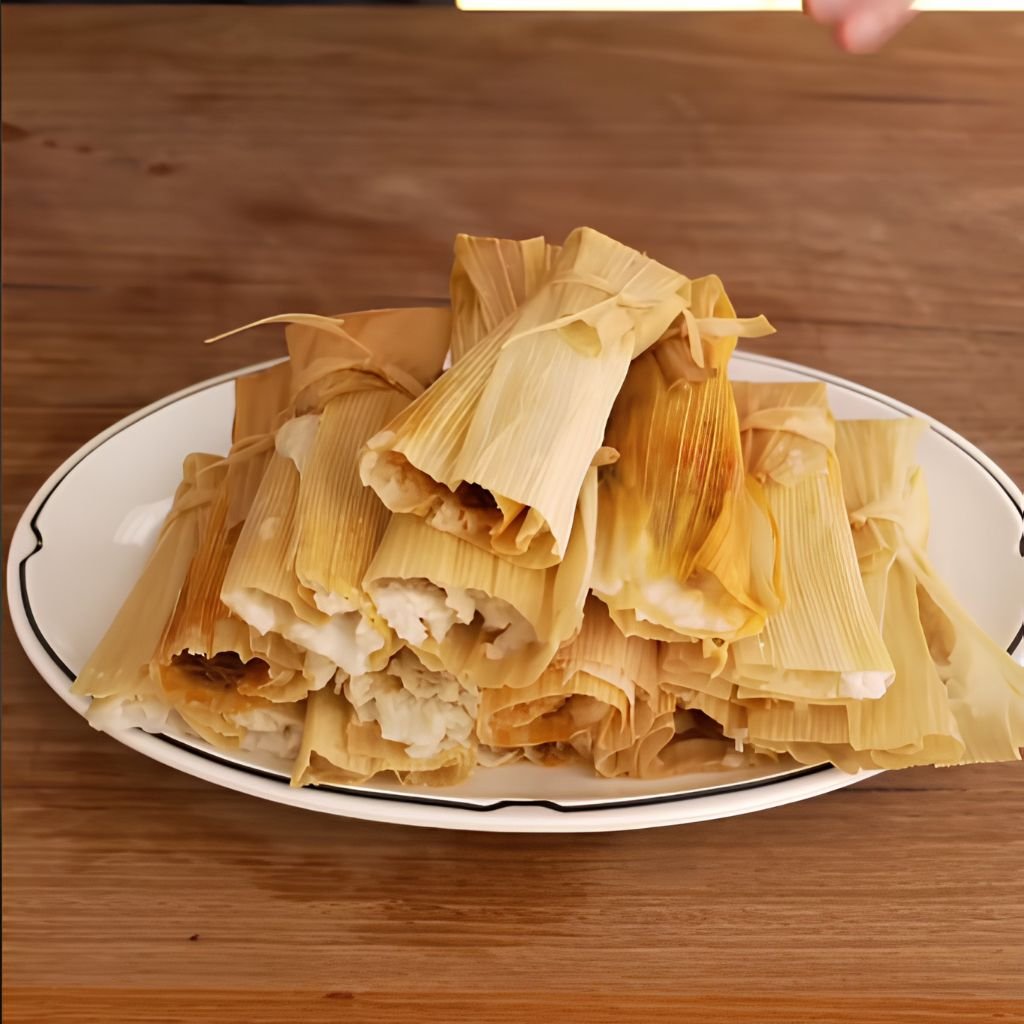
15. Tamales (Chicken/Pork)
Prep Time: 1 hour | Cook Time: 1.5 hours | Serves: 12–16 tamales
Tamales are one of Mexico’s oldest and most beloved foods. Masa dough is spread onto softened corn husks, filled with seasoned chicken or pork, then steamed until soft, light, and perfectly cooked. Making tamales is a labor of love — traditionally done with family — but the process is deeply rewarding and the results are extraordinary.
Ingredients:
For the masa dough:
- 4 cups masa harina (corn flour for tamales)
- 2⅔ cups warm chicken broth
- 1 cup lard or vegetable shortening
- 1½ tsp baking powder
- 1½ tsp salt
For the filling (chicken):
- 2 cups cooked, shredded chicken
- 1 cup red or green salsa
- Salt to taste
For the filling (pork):
- 2 cups cooked, shredded pork carnitas or slow-cooked pork shoulder
- ½ cup red chili sauce (ancho-based, see barbacoa sauce above)
- Salt to taste
Other:
- 20 to 24 dried corn husks, soaked in warm water for 1 hour until pliable
Instructions:
Begin by soaking the corn husks. Place them in a large bowl or sink filled with warm water. Weigh them down with a heavy plate to keep them submerged. Soak for at least 1 hour until they are fully soft and flexible. Soaking dry husks is non-negotiable — stiff husks will crack when folded and the tamales will fall apart during steaming.
Prepare the masa dough while the husks soak. In a stand mixer fitted with the paddle attachment, beat the lard or shortening on medium-high speed for about 3 minutes until fluffy and pale. In a separate bowl, mix the masa harina with the baking powder and salt. With the mixer running on low speed, alternate adding the dry masa mixture and the warm chicken broth in stages — add some dry, then some liquid, then dry, then liquid — until everything is incorporated. Increase to medium speed and beat the dough for 4 to 5 minutes until it is smooth, soft, and slightly airy. The dough should hold its shape but feel moist, not stiff. To test readiness, drop a small ball of masa into a glass of cold water — if it floats, the dough is properly aerated and ready. If it sinks, beat for another minute and test again.
Mix your filling of choice in a bowl. For chicken, combine the shredded chicken with red or green salsa and salt. For pork, combine shredded pork with the red chili sauce. Both fillings should be moist but not watery — pat the meat gently if it seems too wet.
To assemble the tamales, remove the soaked corn husks from the water and shake off excess moisture. Select husks that are at least 6 inches wide. Lay a husk flat on a clean surface with the wider end toward you. Using the back of a spoon or your fingers, spread about 2 to 3 tablespoons of masa dough in the center of the husk, creating a thin, even rectangle about ⅛ inch thick. Leave about an inch of space on each side and at the top and bottom edges.
Place about 1 to 1½ tablespoons of filling down the center of the masa layer. Do not overfill — this is one of the most common mistakes when making tamales. Too much filling makes them difficult to close and the masa walls may tear during steaming.
Fold one side of the corn husk over the filling so the edges of the masa meet and seal. Then fold the other side over, overlapping slightly. Fold the narrow bottom end of the husk up snugly. The tamal should be compact and secure. Stand it upright (open end facing up) in a steamer basket or tamale pot. Repeat with all remaining husks and dough.
Fill a large pot with 2 inches of water and bring to a boil. Place the steamer basket with the tamales over the boiling water, open ends facing up. Cover tightly with a lid. Reduce heat to medium and steam for 75 to 90 minutes, checking the water level every 30 minutes and adding more boiling water as needed to prevent the pot from running dry. The tamales are done when the masa pulls cleanly away from the corn husk without sticking. Let them rest for 10 minutes before serving — this allows the masa to firm up slightly.
16. Gorditas
Prep Time: 20 minutes | Cook Time: 25 minutes | Serves: 4–6
Gorditas are thick, handmade corn cakes cooked on a griddle and split open to hold savory fillings. The name means “little fat ones” in Spanish, and the nickname fits perfectly — their soft, pillowy interior is what sets them apart from a regular tortilla. Fill them with refried beans, cheese, chicharrón, or any leftover stew for a quick and incredibly satisfying meal.
Ingredients:
- 2 cups masa harina
- 1½ cups warm water
- ½ tsp salt
- 1 tbsp lard or vegetable shortening (optional, adds richness)
For the filling (choose one or combine):
- 1 cup refried beans
- ½ cup shredded Oaxacan or Chihuahua cheese
- ½ cup chicharrón (pork cracklings), crumbled
- Salsa, crema, and shredded lettuce for serving
Instructions:
In a large bowl, combine the masa harina and salt. Add the lard or shortening if using and work it into the dry masa with your fingertips until the mixture resembles coarse crumbs. Gradually add the warm water, mixing as you go, until a soft, smooth dough forms. The dough should feel like soft Play-Doh — moist but not sticky. If it feels too dry and cracks at the edges, add water one tablespoon at a time. If it sticks to your hands excessively, add a little more masa harina. Knead the dough gently for 1 to 2 minutes until smooth. Cover the bowl with a damp kitchen towel and let the dough rest for 10 minutes — this rest period allows the masa harina to fully hydrate and produces a smoother, more pliable dough.
Divide the rested dough into 8 equal portions. Roll each piece into a smooth ball between your palms. Place a ball between two sheets of plastic wrap or inside a zip-lock bag and press it flat using a tortilla press or the bottom of a heavy pan. Aim for a circle about 4 inches in diameter and ½ inch thick — much thicker than a regular tortilla. Gorditas are meant to be sturdy enough to split open and hold filling, so thickness is important here.
Heat a comal or cast iron griddle over medium heat. Cook the gorditas without oil — the dry heat of the griddle gives them their characteristic texture. Cook each gordita for 4 to 5 minutes per side, pressing gently with a spatula occasionally, until the exterior is dry, lightly browned, and has a few golden spots. The inside should still be soft and steamy. When done, the gordita should puff very slightly and feel firm on the outside.
Remove the gorditas from the griddle and let them cool for just 1 to 2 minutes — long enough to handle but while still warm. Using a sharp paring knife, carefully cut a pocket into the side of each gordita, similar to how you would open a pita bread. Go about halfway through without cutting all the way open.
Warm the refried beans if using. Spread beans inside the pocket, add cheese, a handful of crumbled chicharrón, and a spoonful of salsa. Close the gordita slightly around the fillings. Serve immediately while warm with crema drizzled over the top.
17. Sopes
Prep Time: 20 minutes | Cook Time: 20 minutes | Serves: 4–6
Sopes are thick, round corn bases with a pinched-up rim all around the edge that holds in the toppings. They are griddled first to cook through, then lightly fried to create a slightly crisp shell that stands up to layers of refried beans, meat, cheese, lettuce, and crema. Sopes are a beloved Mexican street food that turn simple ingredients into something truly special.
Ingredients:
For the sope bases:
- 2 cups masa harina
- 1½ cups warm water
- ½ tsp salt
- Oil for shallow frying
Toppings:
- 1 cup refried beans
- 1 cup shredded chicken tinga, carne asada, or chicharrón
- 1 cup shredded iceberg lettuce or cabbage
- ½ cup crumbled queso fresco
- ¼ cup Mexican crema
- Salsa verde or roja
- Sliced jalapeños (optional)
Instructions:
Prepare the masa dough the same way as for gorditas — combine the masa harina, salt, and warm water until a smooth, soft dough forms. Knead briefly and cover with a damp towel. Rest for 10 minutes. Divide the dough into 8 balls and press each one into a flat circle about 3 to 4 inches in diameter and ¼ inch thick — slightly thinner than gorditas but still much thicker than a tortilla.
Cook the raw sope rounds on a dry, hot comal or cast iron griddle over medium heat for about 2 minutes per side, just enough to set the surface without fully cooking through. The color should be light tan — not golden yet. Remove from the heat.
While the sope rounds are still warm and pliable — this step must happen quickly before they cool and firm up — use your fingers to pinch up the edges all the way around each round, creating a raised rim about ½ inch tall. This rim is what gives sopes their characteristic look and function, holding the toppings in place. Work quickly so the masa is still soft enough to shape.
Heat about ¼ inch of oil in a skillet over medium-high heat. Once the oil shimmers, fry the shaped sopes for 1 to 2 minutes per side until they are lightly golden and slightly crispy on the outside while remaining soft inside. Remove and drain on a paper towel.
While still hot, spread a generous layer of warm refried beans inside the rim of each sope. Add a spoonful of your chosen protein on top of the beans. Layer with shredded lettuce, crumbled queso fresco, a drizzle of crema, and a spoonful of salsa. Serve immediately — sopes are best eaten right away before the base softens from the toppings.
18. Huaraches
Prep Time: 25 minutes | Cook Time: 20 minutes | Serves: 4
Huaraches are long, oval-shaped masa bases named after the Mexican sandal they resemble. They are thicker than a tostada and larger than a sope, giving you more space for generous toppings. Beans are pressed right into the dough before cooking, making the base naturally savory and creamy. Top them with beef, nopales (cactus), salsa, and cheese for a street food experience unlike anything else.
Ingredients:
For the huarache dough:
- 2 cups masa harina
- 1½ cups warm water
- ½ tsp salt
- ½ cup refried beans (for pressing into the dough)
- Oil for griddle cooking
Toppings:
- 1 cup carne asada, grilled and chopped
- ½ cup cooked nopales (cactus strips), sliced thin (or substitute sautéed mushrooms)
- ½ cup crumbled queso fresco
- ½ cup salsa verde
- ¼ cup Mexican crema
- Fresh cilantro
Instructions:
Make the masa dough as with the previous recipes — mix masa harina, salt, and warm water to form a smooth, soft dough. Rest for 10 minutes covered with a damp towel. Divide into 4 equal balls — huaraches are larger, so the portions are bigger.
Roll each ball into a smooth oval shape about the size of your hand — roughly 6 to 8 inches long and 3 inches wide. Press it slightly flat using your palms. Now comes the signature step: press a shallow well into the center of the oval using your thumb. Spread 2 tablespoons of refried beans down the length of the oval in this well. Fold the dough over itself lengthwise to encase the beans inside, then press and pinch the edges closed firmly. Pat and reshape the huarache into its elongated oval form, pressing it flat to about ½ inch thickness. The beans inside should be fully enclosed by the masa.
Cook the huaraches on a lightly oiled comal or cast iron griddle over medium heat. Cook for 4 to 5 minutes per side until they develop golden, slightly firm surfaces on both sides and the masa is fully cooked through. Press occasionally with a spatula to ensure even contact with the hot surface. The outside should have a light golden color with dry patches, and the huarache should feel firm and set when pressed gently.
If desired, brush the cooked huaraches with a thin layer of oil and toast them on the griddle for another 1 to 2 minutes per side to develop a slightly crispier exterior.
Transfer to serving plates and immediately top each huarache with chopped carne asada, sliced cooked nopales, crumbled queso fresco, a generous drizzle of salsa verde, a swirl of crema, and fresh cilantro. The warm base, creamy bean interior, savory meat, and bright, fresh toppings make huaraches one of the most satisfying corn-based dishes in all of Mexican cooking.
19. Mexican Rice (Arroz Rojo)
Prep Time: 10 minutes | Cook Time: 30 minutes | Serves: 4–6
Arroz Rojo — red Mexican rice — is the cornerstone side dish of any authentic Mexican dinner. The grains are toasted in oil first before liquid is added, giving them a nutty, golden base flavor. The tomato base turns each grain a warm orange-red color and adds a gentle, savory richness. Made right, every grain should be fully cooked, fluffy, and separate — never mushy or clumped.
Ingredients:
- 1½ cups long-grain white rice
- 2 Roma tomatoes, roughly chopped
- ¼ white onion, roughly chopped
- 2 cloves garlic
- 2 cups chicken broth (warm)
- ½ cup tomato sauce
- 2 tbsp vegetable oil
- 1 tsp salt
- ½ tsp cumin (optional)
- Fresh cilantro and lime for garnish (optional)
Instructions:
Begin by blending the tomato base. Place the chopped Roma tomatoes, onion, and garlic into a blender with 2 tablespoons of chicken broth and blend until completely smooth. You should have about 1 cup of smooth tomato purée. Set aside.
Rinse the rice in cold water two to three times, stirring gently each time, until the water runs mostly clear. Rinsing removes surface starch that would make the rice gummy and clumped during cooking. Drain thoroughly in a fine sieve and let it air-dry for 5 minutes.
Heat the vegetable oil in a medium, heavy-bottomed saucepan or Dutch oven over medium-high heat. Add the drained rice to the hot oil and stir constantly. Toast the rice in the oil for 4 to 6 minutes, stirring frequently, until the grains turn a light golden color and smell nutty and fragrant. You will hear a slight crackling sound as the grains toast. This toasting step is what gives authentic Mexican rice its signature texture — properly toasted rice holds its shape through cooking and comes out fluffy rather than mushy.
Pour the blended tomato purée into the toasted rice — it will bubble and steam vigorously. Stir quickly and cook for 2 minutes, letting the tomato sauce coat the rice grains and reduce slightly. Then add the remaining warm chicken broth, tomato sauce, salt, and cumin. Stir once to combine everything and bring the liquid to a full boil over high heat.
Once boiling, reduce the heat to the lowest setting, cover the pot tightly with a lid, and cook undisturbed for 18 minutes. Do not lift the lid during this time — the steam trapped inside is what cooks the rice evenly. Lifting the lid releases steam and results in unevenly cooked grains.
After 18 minutes, remove from heat and let the rice rest, still covered, for 5 minutes. Then uncover and use a fork to gently fluff the rice, separating the grains without crushing them. Taste and adjust salt if needed. Garnish with fresh cilantro and a squeeze of lime for brightness.
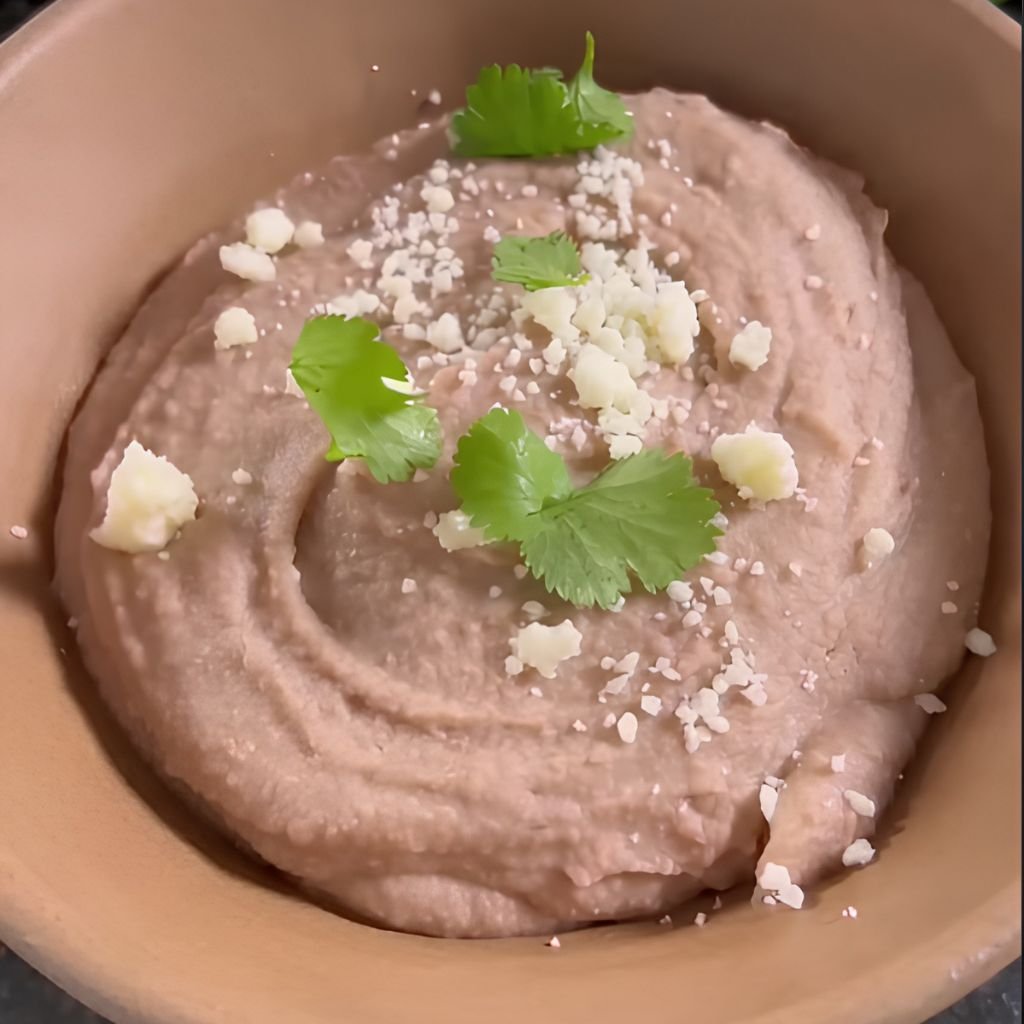
20. Refried Beans (Frijoles Refritos)
Prep Time: 10 minutes (if using pre-cooked beans) | Cook Time: 20 minutes | Serves: 4–6
Refried beans made from scratch have a completely different depth of flavor compared to anything from a can. Pinto beans are slow-cooked until tender, then mashed and fried in lard or oil with onion and garlic until they become creamy, rich, and irresistibly savory. The name “refritos” does not mean “fried twice” — it comes from a Spanish word meaning “well-fried,” and that is exactly what makes them so good.
Ingredients:
- 2 cups dried pinto beans (or 4 cups cooked/canned)
- ½ white onion, divided
- 3 cloves garlic
- 3 tbsp lard or vegetable oil
- ½ tsp salt, plus more to taste
- ½ tsp cumin
- ½ cup crumbled queso fresco or shredded cheese for serving (optional)
- Fresh cilantro for garnish
Instructions:
If cooking dried beans from scratch, rinse them and soak overnight in cold water, then drain. Place the soaked beans in a pot with fresh water to cover by 3 inches. Add half the onion and 1 garlic clove. Bring to a boil, then reduce to a simmer and cook for 1.5 to 2 hours until the beans are completely soft and creamy inside. Salt the beans only in the last 10 minutes of cooking — salting too early toughens the skins. Reserve 1 cup of the bean cooking liquid before draining. If using canned beans, drain and rinse them well.
Dice the remaining onion half finely. Mince the remaining 2 garlic cloves. Heat the lard or oil in a wide, heavy skillet over medium heat. Add the diced onion and cook for 4 to 5 minutes, stirring often, until it softens and turns translucent with golden edges. Add the minced garlic and cook for another minute until fragrant.
Add the cooked beans to the pan in two or three batches. As each batch goes in, use a potato masher or the back of a large spoon to mash the beans directly in the pan, working them into the onion and fat. Add splashes of the reserved bean cooking liquid (or water if using canned beans) as you mash to help achieve a smooth, spreadable consistency. You are looking for a texture that is thick and creamy — somewhere between a smooth paste and a chunky spread. Some people like them very smooth; others prefer a bit of texture with some whole beans remaining.
Season with the cumin and salt, tasting as you go. Continue cooking the mashed beans in the pan over medium-low heat, stirring frequently, for 5 to 7 minutes. The beans should thicken slightly as excess moisture evaporates and the fat fully incorporates. When a spoon dragged across the surface leaves a clear path that holds for a few seconds, the beans are ready.
Serve hot, topped with crumbled queso fresco and cilantro. Refried beans work beautifully as a side dish, a spread for tostadas, a filling for burritos, or a dip for tortilla chips.
21. Elote (Mexican Street Corn)
Prep Time: 10 minutes | Cook Time: 15 minutes | Serves: 4
Elote is Mexican grilled street corn — one of the most iconic and craveable snacks in the country. An ear of corn is grilled until charred and smoky, then slathered in a creamy, tangy sauce of mayonnaise, crema, lime, and cotija cheese, then dusted with chili powder. Eaten straight off the cob, it is messy, bold, and absolutely unforgettable.
Ingredients:
- 4 ears of fresh corn, husks removed
- 3 tbsp mayonnaise
- 3 tbsp Mexican crema or sour cream
- ½ cup crumbled cotija cheese
- 1 tsp chili powder
- ½ tsp smoked paprika
- Juice of 1 lime, plus lime wedges for serving
- Salt to taste
- Fresh cilantro, roughly chopped
- Optional: hot sauce
Instructions:
Heat a grill pan, cast iron skillet, or outdoor grill to high heat. You want the surface extremely hot before the corn goes on — this is what creates the characteristic char marks and deep smoky flavor. Lightly brush each ear of corn with a thin coat of oil to prevent sticking and to help the kernels caramelize evenly against the hot surface.
Place the ears of corn on the hot grill and cook, turning every 2 to 3 minutes, for a total of 12 to 15 minutes until the kernels are cooked through and have developed deep golden-brown or slightly blackened char spots all around. The corn should smell toasty and sweet, not raw. Do not rush this step — proper charring is the foundation of authentic elote flavor. If the corn finishes cooking before charring adequately, increase the heat or move it closer to the flame.
While the corn grills, mix the mayonnaise, crema, and lime juice together in a small bowl until smooth and well combined. Taste and add a pinch of salt. Set out the cotija cheese, chili powder, smoked paprika, cilantro, and lime wedges in separate small dishes so you can build each elote easily.
Remove the grilled corn from the heat and work quickly while it is still hot. Using a brush, spoon, or your fingers, spread the creamy mayo-crema mixture generously all over each ear of corn, coating every side and making sure it gets into the spaces between the kernels. Roll the coated corn in the crumbled cotija cheese, pressing gently so it sticks to the creamy coating. Dust with chili powder and smoked paprika, then scatter fresh cilantro on top. Finish with a generous squeeze of fresh lime.
Serve immediately on a plate or held in a cup — elote waits for no one. Add a few drops of hot sauce if you want extra heat.
22. Rajas con Crema
Prep Time: 15 minutes | Cook Time: 25 minutes | Serves: 4
Rajas con Crema is a silky, creamy dish of roasted poblano pepper strips cooked in a rich crema sauce with corn and onion. The mild, smoky heat of the poblanos pairs beautifully with the cool richness of the cream, creating a side dish that feels luxurious but comes together quickly. Serve it with warm tortillas, alongside rice and beans, or use it as a taco filling.
Ingredients:
- 4 poblano peppers
- 1 cup Mexican crema or heavy cream
- ½ white onion, thinly sliced into half-moons
- 2 cloves garlic, minced
- 1 cup corn kernels (fresh or frozen)
- ½ cup shredded Oaxacan cheese or Monterey Jack
- 1 tbsp butter
- Salt and pepper to taste
- Warm corn or flour tortillas for serving
Instructions:
Begin by roasting the poblano peppers. Hold each pepper directly over a gas burner flame using tongs, turning every minute or so, until the skin is completely blistered and blackened on all sides — about 6 to 8 minutes per pepper. Alternatively, place them on a baking sheet under a broiler set to high, turning every 2 to 3 minutes. Transfer the charred peppers immediately to a bowl and cover tightly with plastic wrap. Let them steam for 15 minutes — this makes the skins slip off effortlessly.
Peel the skins away from the steamed peppers using your fingers. Remove the stems and open each pepper, scraping out the seeds and inner membrane with a spoon. Slice the cleaned pepper flesh into thin strips about ¼ inch wide and 2 to 3 inches long. These are the “rajas” — the strips the dish is named for. Set aside.
Heat the butter in a wide skillet over medium heat. Once melted and foamy, add the sliced onion. Cook, stirring occasionally, for 5 to 6 minutes until the onion is completely soft, sweet, and lightly golden. Add the minced garlic and cook for another minute. Add the corn kernels and stir to combine, cooking for 2 to 3 minutes until the corn is heated through and picks up a little color from the pan.
Add the poblano strips to the pan and stir everything together. Pour in the Mexican crema or heavy cream, stirring to coat all the vegetables evenly. Bring the cream to a gentle simmer over medium-low heat — do not boil it or the cream may break and become grainy. Simmer for 5 to 7 minutes, stirring occasionally, until the sauce thickens slightly and coats the vegetables in a creamy, glossy layer. Season with salt and pepper to taste.
Scatter the shredded cheese over the top and stir it in until melted and fully incorporated. Serve immediately while hot and creamy, alongside warm tortillas.
23. Quesadillas (Authentic Style)
Prep Time: 15 minutes | Cook Time: 20 minutes | Serves: 4
Authentic Mexican quesadillas use corn tortillas and Oaxacan cheese — not flour tortillas and cheddar. The cheese is pulled into strings and layered onto a fresh tortilla, then folded and cooked on a comal until the outside is lightly crisp and the inside is gloriously melted. Simple, honest, and deeply satisfying.
Ingredients:
- 8 corn tortillas (medium size)
- 2 cups Oaxacan cheese (quesillo), pulled into strings or shredded
- Optional fillings: sautéed mushrooms with epazote, squash blossoms (flor de calabaza), huitlacoche, or chicken tinga
- Salsa verde, guacamole, and Mexican crema for serving
- Fresh cilantro and sliced onion for garnish
Instructions:
Warm a comal or cast iron skillet over medium heat. Unlike flour tortilla quesadillas, authentic corn tortilla quesadillas are made one at a time. Place one corn tortilla on the hot comal and let it warm for about 30 seconds per side until it becomes soft and pliable — a warm, pliable tortilla folds without cracking.
Place a generous handful of Oaxacan cheese on one half of the warm tortilla. Oaxacan cheese melts beautifully and has a mild, buttery flavor that does not overpower the corn. If using an optional filling, add 2 to 3 tablespoons of your chosen filling on top of the cheese before folding. Fold the tortilla in half over the cheese, pressing down gently with a spatula.
Cook the folded quesadilla on medium heat for 2 to 3 minutes per side. The bottom should become lightly golden and slightly crispy, while the cheese inside melts completely. Flip carefully using a wide spatula and cook the second side for another 2 minutes. The tortilla should be firm enough to hold its shape when picked up but still pliable inside, and the cheese should be fully melted and gooey.
Remove from the heat and serve immediately. Cut each quesadilla in half if desired. Serve with salsa verde, guacamole, and crema on the side. Top with fresh cilantro and sliced raw onion for authenticity.
24. Queso Fundido
Prep Time: 10 minutes | Cook Time: 15 minutes | Serves: 4
Queso Fundido is melted cheese at its most pure and irresistible — a bubbling skillet of gooey Oaxacan cheese, often with spicy chorizo and roasted peppers mixed in. Served straight from the pan with warm tortillas for scooping, this dish is made for sharing and disappears fast. The combination of stretchy, melted cheese with spicy chorizo is impossible to resist.
Ingredients:
- 2 cups Oaxacan cheese or Chihuahua cheese, shredded
- ½ cup Mexican chorizo, crumbled (casing removed)
- ½ poblano pepper, roasted, peeled, and diced (see Rajas con Crema method)
- ¼ white onion, finely diced
- 1 tbsp oil or butter
- Warm corn or flour tortillas for serving
- Fresh cilantro for garnish
Instructions:
Begin by cooking the chorizo. Heat the oil or butter in a small oven-safe skillet (cast iron works perfectly) over medium heat. Add the crumbled chorizo and cook, breaking it apart with a wooden spoon, for 4 to 5 minutes until fully cooked through and slightly crispy. The chorizo will release its red, paprika-rich fat into the pan, which adds incredible flavor to the cheese. If the pan has excess grease, carefully spoon off about half — leave some behind for flavor but too much will make the dish oily.
Add the diced onion to the pan with the chorizo and cook for 2 minutes until the onion softens. Add the diced roasted poblano and stir everything together. The smoky, spicy vegetables and the rich chorizo should look beautifully combined in the pan at this point.
Preheat your oven broiler to high. Spread the shredded Oaxacan cheese evenly over the chorizo and vegetable mixture in the skillet. Make sure the cheese covers everything in an even layer from edge to edge. Place the skillet under the broiler and cook for 3 to 5 minutes, watching very carefully, until the cheese is completely melted, bubbling, and just beginning to get golden spots on top. Every broiler is different — it can go from perfectly melted to burnt very quickly, so stay close.
Remove the skillet from the oven using thick oven mitts — the handle will be extremely hot. Carry it carefully to the table and place on a heat-safe trivet. Scatter fresh cilantro over the top immediately. Serve right away, straight from the skillet, with a basket of warm tortillas for scooping. Queso fundido solidifies as it cools, so eat it while it is still bubbling.
25. Molletes
Prep Time: 10 minutes | Cook Time: 15 minutes | Serves: 4
Molletes are open-faced sandwiches on bolillo rolls — Mexican bread rolls spread with refried beans and topped with melted cheese, then broiled until golden and gooey. Fresh pico de gallo on top adds brightness and a touch of cool freshness against the warm, cheesy base. Quick to make and endlessly comforting, molletes are a Mexican breakfast and snack staple that work beautifully as a light dinner too.
Ingredients:
- 2 bolillo rolls (or substitute crusty French bread rolls), split in half lengthwise
- 1 cup refried beans, warmed
- 1½ cups shredded Oaxacan cheese or Chihuahua cheese
- 1 tbsp butter (for toasting the rolls)
For the pico de gallo:
- 2 Roma tomatoes, finely diced
- ¼ white onion, finely diced
- 1 jalapeño, seeded and minced
- 2 tbsp fresh cilantro, chopped
- Juice of 1 lime
- Salt to taste
Instructions:
Start by making the pico de gallo so it has a few minutes to come together. Combine the diced tomatoes, onion, jalapeño, and cilantro in a small bowl. Add the lime juice and a good pinch of salt. Toss gently to combine. Taste and adjust seasoning — the pico should be bright, fresh, and slightly tangy. Set aside while you prepare the molletes.
Preheat your oven broiler to high, with the rack positioned about 6 inches from the broiler element. Spread the cut sides of each bolillo half with butter and place them on a baking sheet, cut side up. Toast them under the broiler for 2 to 3 minutes until the bread is lightly golden and the butter has melted into the surface. Watch closely — bread goes from toasted to burnt in seconds under a broiler.
Remove the toasting bread from the oven. Immediately spread a generous, even layer of warm refried beans over the entire cut surface of each roll half. The beans should reach all the way to the edges. Next, sprinkle the shredded cheese evenly over the beans, covering them completely and piling the cheese generously — this is not the place to be stingy with cheese.
Return the loaded rolls to the oven under the broiler for 3 to 5 minutes, watching carefully, until the cheese is completely melted, slightly bubbly, and has a few golden-brown spots on top. The beans should be hot all the way through.
Remove from the oven and immediately spoon a generous amount of the fresh pico de gallo over each mollete. The contrast of the hot, melted cheese and the cool, fresh pico de gallo is the signature of this dish. Serve right away, while the cheese is still warm and stretchy.
What to Serve with Mexican Dinner
A great authentic Mexican dinner is more than just the main dish — the sides, drinks, and desserts all come together to make it a complete experience. Here are some ideas to round out your meal:
1. Agua Fresca and Horchata. Cool, refreshing drinks are the perfect companion to spicy, rich Mexican food. Agua fresca is made by blending fresh fruit — hibiscus, tamarind, watermelon, or cucumber — with water and a little sugar. Horchata is a sweet rice-based drink with cinnamon that balances the heat of chili-forward dishes beautifully. Both are easy to make and far better than any bottled alternative.
2. Guacamole and Salsa. A fresh bowl of guacamole made with ripe avocados, lime, onion, cilantro, and jalapeño belongs on every Mexican dinner table. Pair it with a bright tomatillo salsa verde or a smoky roasted tomato salsa roja for dipping tortilla chips or topping your tacos. These simple additions add color, freshness, and a cool contrast to heavier dishes.
3. Churros and Flan for Dessert. End the meal on a sweet note. Churros — crispy fried dough sticks rolled in cinnamon sugar — are one of Mexico’s most famous sweets and are especially good dunked in warm chocolate sauce. Flan is a classic Mexican caramel custard with a silky, wobbling texture and a rich caramel top that makes it one of the most elegant desserts in the cuisine.
Conclusion
Authentic Mexican dinner recipes offer so much more variety, depth, and flavor than most people realize. From smoky slow-cooked barbacoa and bright Baja fish tacos to silky queso fundido and hearty pozole rojo, the range of dishes in this collection shows just how vast and creative Mexican cuisine truly is. Every recipe here has its roots in real regional cooking — techniques and ingredients that have been part of Mexican kitchens for generations.
The best part? You do not have to make everything at once. Start with one recipe that catches your attention — maybe the chicken tinga tacos for a weeknight dinner, or the tamales for a weekend project with family. Once you try making these dishes at home with proper ingredients and techniques, you will understand why authentic Mexican cooking is so beloved around the world.
So pick a recipe, gather your ingredients, and get cooking. Save this page so you always have it handy, share it with someone who loves Mexican food, and cook your way through as many dishes as you can. The more you explore authentic Mexican dinner recipes, the more you will fall in love with this incredible culinary tradition.